

Planning a trip to Utah requires careful thought because the landscape is vast and rugged. A successful Canyonlands National Park Itinerary must account for massive physical barriers between different sections of the land. Many travelers make the assumption that they can drive across the entire park in a single afternoon. In reality, the park is divided into distinct zones separated by deep river canyons and sheer cliffs. Understanding these divisions helps visitors save hours of driving and keeps trips safe and enjoyable.
Understanding the Four Districts of Canyonlands
Canyonlands National Park is split into four distinct and physically isolated districts: Island in the Sky, The Needles, The Maze, and the rivers.
Visitors cannot drive between these districts inside the park. Island in the Sky is the most accessible district, offering short paved roads and sweeping viewpoints from high above the canyons. The Needles district sits further south and features tall red rock spires along with longer hiking trails. The Maze is a remote backcountry area that requires an advanced four-wheel-drive vehicle and serious wilderness survival skills. Finally, the Green River and Colorado River cut deep gorges through the park, offering boating opportunities for experienced river runners. According to the National Park Service, traveling by vehicle from Island in the Sky to The Needles takes over two hours on paved public highways outside the park boundaries.
A Realistic One-Day Canyonlands National Park Itinerary for Island in the Sky
A one-day Canyonlands National Park Itinerary should focus entirely on the Island in the Sky district to minimize driving and maximize sightseeing.
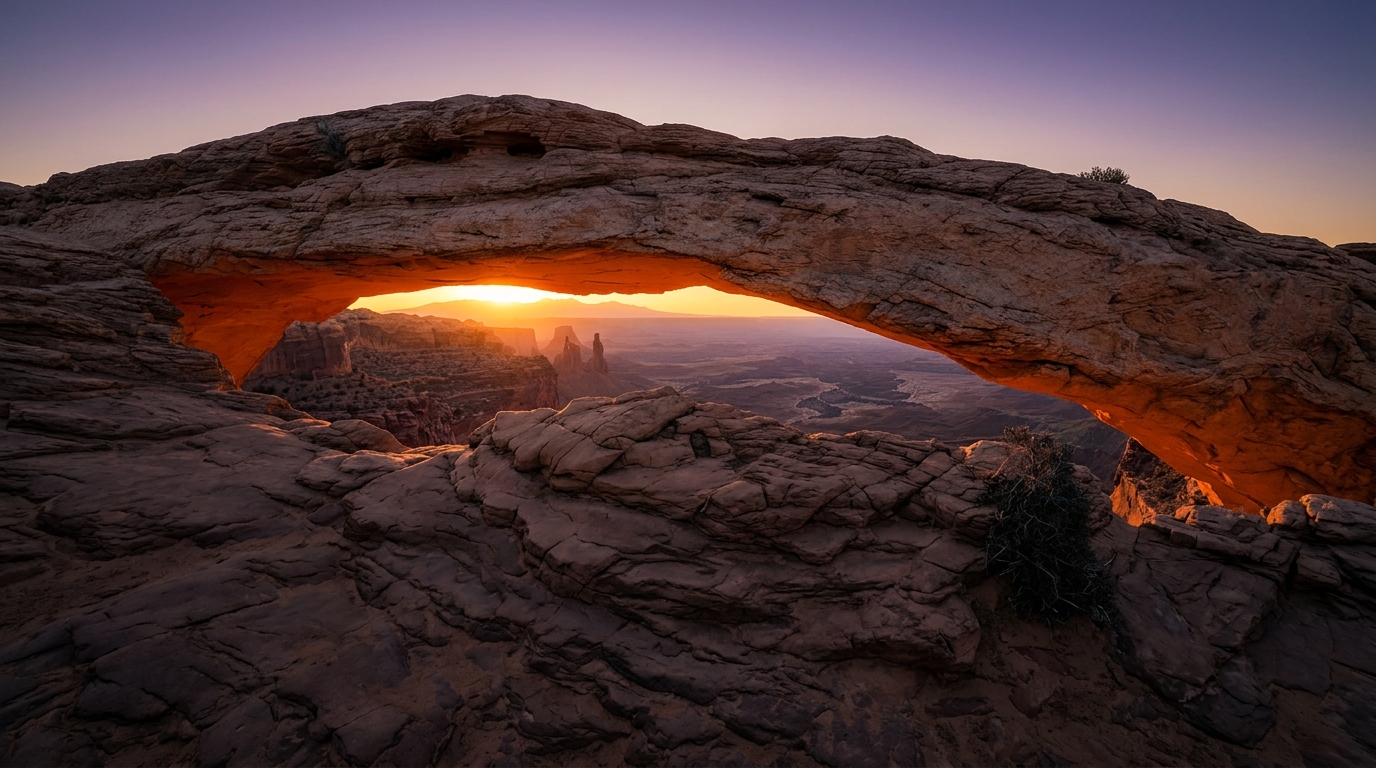
Visitors starting their day near Moab can drive to the Island in the Sky visitor center in about forty minutes. The paved scenic drive leads to several dramatic overlooks that require only short, easy walks. Mesa Arch is a popular morning stop where the rising sun lights up the underside of the stone opening in a brilliant orange glow. Grand View Point offers a sweeping panorama of deep canyons and distant mesas at the southern tip of the district. Buck Canyon Overlook and White Rim Overlook provide additional stunning vistas without requiring strenuous physical effort. Travelers should pack plenty of drinking water because the high desert air causes rapid dehydration, according to the National Park Service.
Adding The Needles District for a Two-Day Plan
Adding a second day allows travelers to explore The Needles district for a completely different desert hiking experience.
The Needles district requires a separate drive from Moab that takes about an hour and a half each way. This area is named for the colorful sandstone spires that dominate the landscape and create a maze of deep canyons. Hiking trails here range from moderate walks to strenuous backcountry routes that require careful navigation. Elephant Hill is a famous landmark and trailhead, though the rough dirt road leading to it demands a high-clearance four-wheel-drive vehicle. Visitors must check current weather conditions and road warnings with the National Park Service before attempting unpaved backcountry routes, as sudden rain can make dirt roads impassable.

Essential Preparation, Safety, and Park Rules
Safe desert travel requires strict adherence to safety guidelines and park regulations enforced by the National Park Service.
Summer temperatures in the desert frequently exceed one hundred degrees Fahrenheit, leading to heat exhaustion and severe dehydration. Visitors must carry at least one gallon of water per person per day when exploring hiking trails or remote dirt roads. Cell phone service is unreliable or entirely absent across most of Canyonlands National Park, making offline maps and paper guides essential tools. Backcountry camping, overnight vehicle parking on primitive roads, and river trips all require specific permits managed by the National Park Service. Ignoring these safety rules can lead to dangerous situations and expensive emergency rescues in remote terrain.
For travelers planning broader desert adventures in the region, looking at other protected landscapes helps provide helpful context. You can also explore our guide on tailored multi-park day schedules to see how other major Utah parks manage visitor flows.
Frequently Asked Questions
Can I drive from Island in the Sky to The Needles inside Canyonlands National Park?
No, there are no roads connecting the districts from inside the park. You must drive out to the highway and travel around the rivers, which takes over two hours.
How many days do I need for Canyonlands National Park?
Most visitors spend one day exploring the accessible overlooks of Island in the Sky. Adding a second day allows you to experience the hiking trails in The Needles district.
Do I need a four-wheel-drive vehicle to visit Canyonlands?
A standard sedan is fine for all paved roads in Island in the Sky and the main entrance of The Needles. However, backcountry roads like the White Rim Road or Elephant Hill require a high-clearance four-wheel-drive vehicle.
Where should I stay when visiting Canyonlands?
Most visitors stay in the town of Moab, which offers plenty of hotels, restaurants, and supplies. Moab is conveniently located near both Island in the Sky and Arches National Park.
Are pets allowed on hiking trails in Canyonlands National Park?
Pets are heavily restricted in Canyonlands National Park to protect local wildlife and fragile soil. Pets are generally not allowed on dirt hiking trails or in the backcountry.
What is the best time of year to visit Canyonlands?
Spring and autumn offer the most comfortable daytime temperatures for hiking and sightseeing. Summer temperatures are extremely hot, while winter can bring freezing weather and occasional snow.
Disclaimer: Park rules, operating hours, and permit requirements can change over time. Always verify current conditions and safety alerts directly with the National Park Service before your trip.

I’m Muhammad Ubaid, founder of YBR Magazine. I research and write detailed guides on America’s National Parks — covering entry fees, permits, best times to visit, and planning tips — using official NPS sources and up-to-date information.