

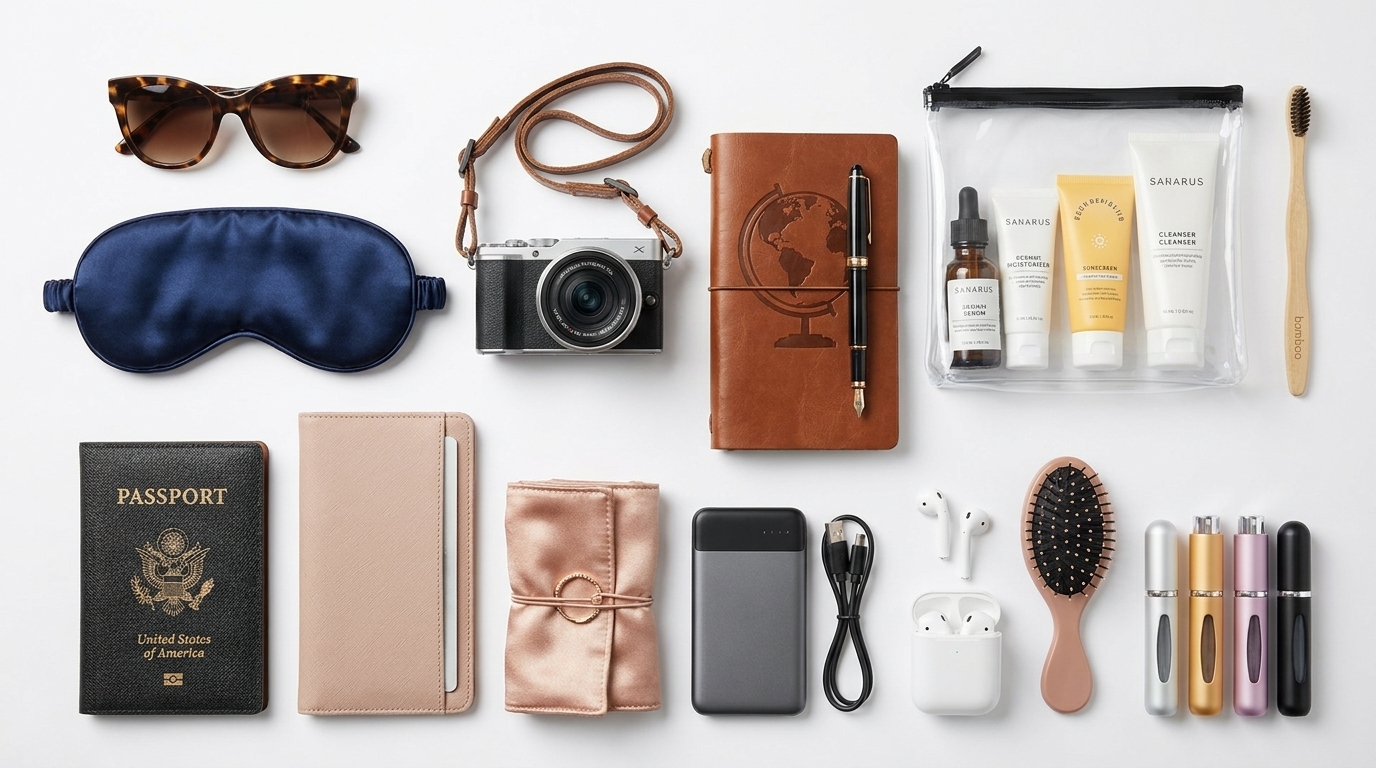
Travel essentials for women go beyond a packing list. They cover the documents, gear, and small habits that keep a trip smooth from the airport line to the trailhead. Getting these basics right matters more in 2026 because ID rules at U.S. airports have tightened, and travelers who show up unprepared now face real delays or fees. This guide walks through what to pack, what to carry for identification, and how to travel with more confidence, whether the destination is a city hotel or a remote national park.
What Are the Most Important Travel Essentials for Women?
The most important travel essentials for women are a valid form of ID, a well-organized carry-on, versatile clothing, and a few safety tools that fit easily into a daypack. These four categories cover almost every situation a traveler runs into, from a delayed flight to an unexpected change in weather. Building a trip around these basics means less time solving problems and more time actually enjoying the destination.
Beyond the basics, a first-aid kit, a portable charger, and copies of important documents round out a dependable travel kit. None of these items are expensive or hard to find, but forgetting even one can turn a minor hiccup into a real headache.
What ID Do You Need to Fly in 2026?
Every adult flying domestically in 2026 needs a REAL ID-compliant driver’s license or an accepted alternative like a valid U.S. passport. The REAL ID Act went into full enforcement at U.S. airports on May 7, 2025, according to the Department of Homeland Security, and the rules have only gotten stricter since then. As of February 1, 2026, the Transportation Security Administration began offering a paid identity-verification option called TSA ConfirmID for travelers who show up without acceptable identification.
Here is what to know before your next flight:
- A REAL ID-compliant license has a star marking in the upper corner.
- A valid U.S. passport or passport card works as an alternative, even if your license is not compliant.
- Travelers without an acceptable ID can use TSA ConfirmID for a fee of about $45, which is valid for a 10-day travel window.
- Children under 18 do not need ID for domestic flights.
Checking your license for the star marking before you pack is one of the simplest ways to avoid a stressful morning at the airport.
What Should Go in a Carry-On Bag?
A well-packed carry-on should hold everything needed for the first 24 hours of a trip in case checked luggage is delayed. This means one change of clothes, all medications in their original containers, chargers, and any documents you cannot afford to lose. Packing this way protects a trip even when things go wrong with checked bags or connecting flights.
A simple carry-on checklist looks like this:
| Category | Items to Pack |
|---|---|
| Documents | ID, passport (if needed), boarding pass, printed reservations |
| Health | Medications, small first-aid kit, hand sanitizer |
| Electronics | Phone charger, portable battery, headphones |
| Comfort | Change of clothes, light jacket, neck pillow |
| Money | Backup card, small amount of cash |
Keeping documents and medications in the same easy-to-reach pocket saves time at security and during connections.
Explore More: planning a Utah national parks road trip
What Clothing Works Best for Different Trip Types?
Clothing that layers easily and works for more than one activity is the most practical choice for almost any trip. A packing list built around versatile pieces avoids overpacking while still covering unexpected weather or a last-minute change in plans. For example, a lightweight jacket that works for a cool morning hike also works for an evening dinner out.
A few packing principles that hold up across trip types:
- Choose fabrics that dry quickly and resist wrinkles, since they pack smaller and need less ironing.
- Pack layers instead of one heavy item, since layers adjust to sudden temperature swings.
- Bring one pair of broken-in walking shoes, since blisters can derail an entire day of sightseeing.
- Pack a scarf or wrap, since it works as an accessory, a light cover-up, or an extra layer on a cold flight.
Sticking to a simple color palette also makes mixing and matching easier, which means fewer clothing items overall.
How Can Women Stay Safe While Traveling Alone or in Groups?
Staying safe while traveling starts with sharing your itinerary with someone you trust and staying aware of your surroundings in unfamiliar places. Small habits, like keeping your phone charged and knowing the address of your hotel, make a real difference if something unexpected happens.
Helpful safety habits include:
- Share your daily itinerary and check in with a friend or family member at set times.
- Keep a portable charger in your bag so your phone never runs out at a critical moment.
- Carry a small flashlight or headlamp for evening walks or early departures.
- Research the safety reputation of a neighborhood before booking a hotel there.
- Trust your instincts if a situation feels wrong, and remove yourself from it without hesitation.
These habits apply whether you are navigating a busy airport, a rental car on unfamiliar roads, or a scenic overlook at sunset.
What Toiletries and Health Items Are Easy to Forget?
The health and toiletry items most often forgotten are sunscreen, a refillable water bottle, and enough of any prescription medication to cover delays. Sunscreen matters even on cloudy days, especially at higher elevations where sun exposure is stronger. A refillable water bottle also saves money and reduces plastic waste at airports that now offer free refill stations.
A short list worth double-checking before you leave:
- Sunscreen with at least SPF 30
- Lip balm with SPF, since lips burn just as easily as skin
- A small pack of electrolyte tablets for long travel days
- Prescription medication packed with a few extra days’ supply
- A basic first-aid kit with bandages, pain relievers, and blister pads
Packing a few of these items in a clear travel-size pouch keeps them easy to find and easy to carry through airport security.
What Tech and Money Tools Make Travel Easier?
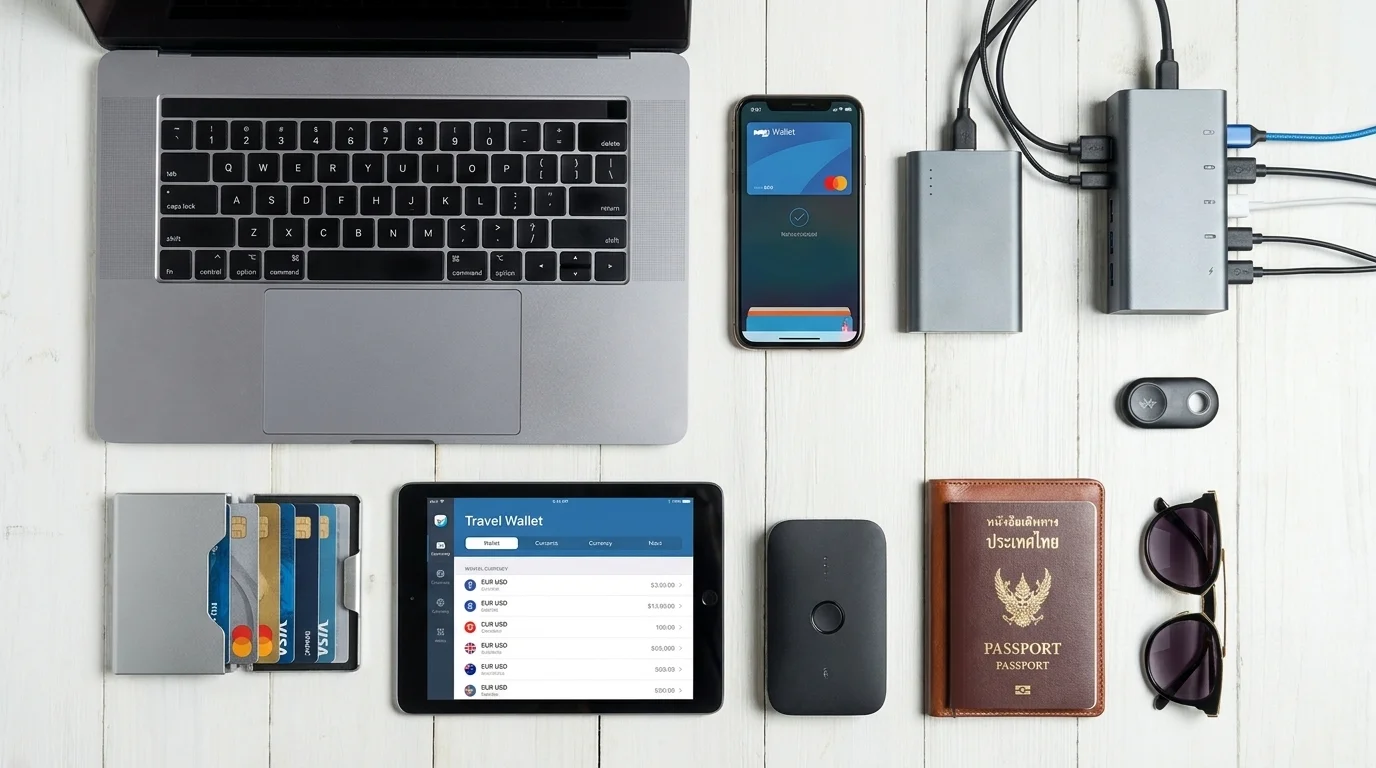
The right tech and money tools reduce stress by keeping you connected and prepared for unexpected costs. A portable charger, a universal adapter for international trips, and a backup payment method all solve common problems before they start.
Useful additions include:
- A portable charger with enough capacity for a full phone charge or two
- A universal adapter if the destination uses different outlets
- A backup debit or credit card stored separately from your main wallet
- A small amount of local cash for tips or vendors that don’t accept cards
- Offline maps downloaded before you lose cell service
These tools cost little but prevent some of the most common travel headaches, from a dead phone battery to a card that gets declined unexpectedly.
Frequently Asked Questions
What is the single most important travel essential for women?
A valid, REAL ID-compliant form of identification is the single most important travel essential, since without it, domestic flights in 2026 can involve delays, extra screening, or a $45 TSA ConfirmID fee.
Do I need a passport to fly within the United States?
No, a passport is not required for domestic flights, but it works as an accepted alternative if your driver’s license is not REAL ID compliant.
What should I pack in case my checked luggage is delayed?
Pack a change of clothes, all medications, and your chargers in your carry-on, since these items cover your first 24 hours if checked luggage does not arrive on time.
How can I stay safe while traveling to a new city alone?
Share your itinerary with someone you trust, check in at set times, research your neighborhood before booking, and always trust your instincts if a situation feels unsafe.
What clothing items work best for a trip with unpredictable weather?
Lightweight layers, a quick-drying jacket, and one pair of broken-in walking shoes work best, since layers adjust easily to sudden changes in temperature.
Is TSA ConfirmID required for every traveler in 2026?
No, TSA ConfirmID is only needed by travelers who arrive without a REAL ID-compliant license or an accepted alternative like a passport, and it costs about $45 for a 10-day window.
Final Thoughts
Packing well and staying prepared does not require expensive gear or a complicated checklist. It comes down to a few reliable choices made ahead of time: the right identification, a carry-on built for delays, clothing that adapts to changing plans, and a handful of safety habits that become second nature. With these travel essentials for women in place, the small surprises of travel stop feeling like emergencies and start feeling like part of the adventure.
This article reflects travel and TSA information available as of 2026 and may be updated as identification rules, airport procedures, or other travel policies continue to change. Please verify current requirements directly with TSA or your airline before your trip.

I’m Muhammad Ubaid, founder of YBR Magazine. I research and write detailed guides on America’s National Parks — covering entry fees, permits, best times to visit, and planning tips — using official NPS sources and up-to-date information.