

Introduction
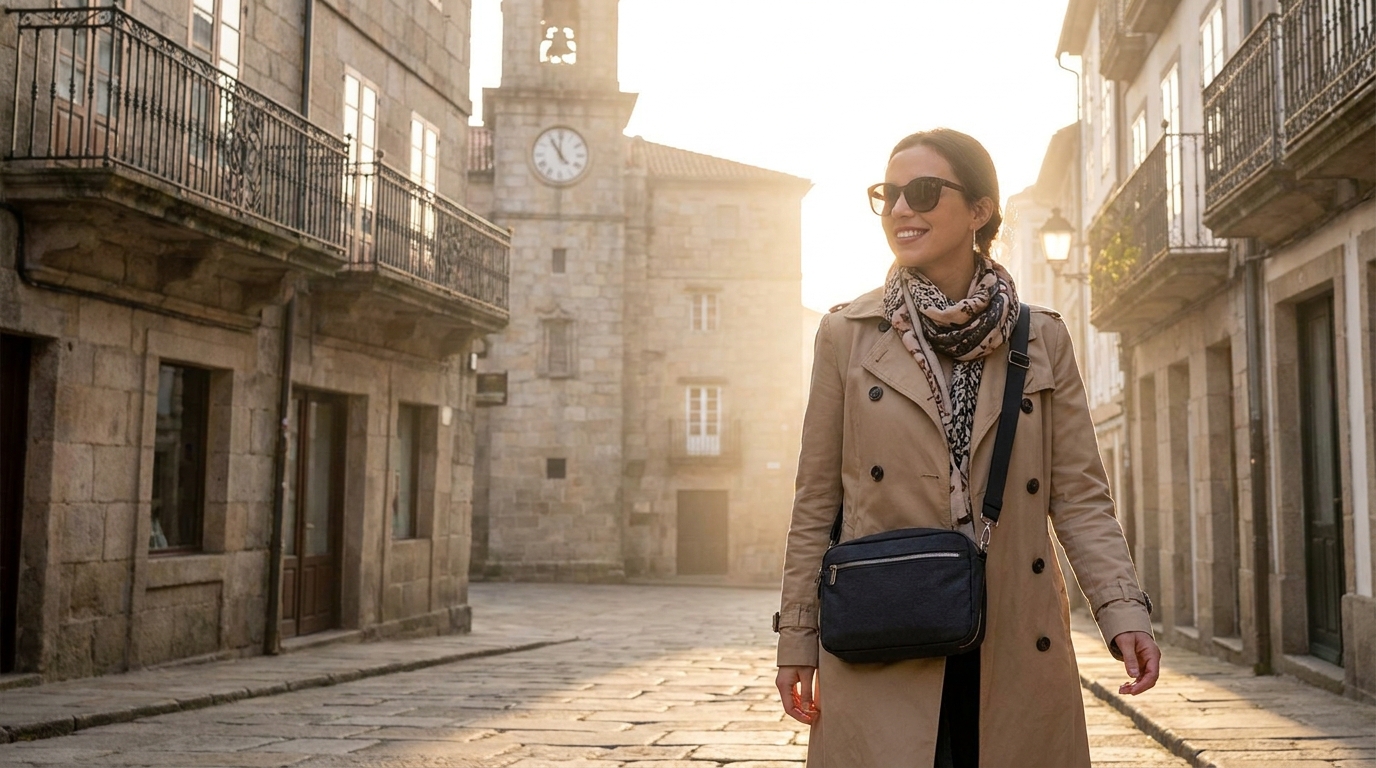
Planning a trip to Europe is exciting — cobblestone streets, charming cafes, and iconic landmarks await. But amid all the excitement, one small decision can make or break your travel experience: choosing the best handbag for travel in Europe. Whether you’re wandering through the busy markets of Rome, hopping on the metro in Paris, or exploring quiet villages in the Swiss Alps, the right bag keeps your essentials safe, organized, and easily accessible.
In this detailed guide, we’ll walk you through everything you need to know before buying a travel handbag — from must-have features to the best styles for different types of European trips.
Why Choosing the Right Handbag Matters for European Travel
Europe is known for its walkable cities, efficient public transport, and unfortunately, pickpocketing in crowded tourist areas. A handbag that works perfectly at home might not be practical on cobblestone streets or crowded train platforms. The right bag should balance:
- Security — protecting your passport, cash, and cards from theft
- Comfort — since you’ll likely be walking for hours
- Functionality — quick access to your phone, tickets, and camera
- Style — because you still want to look good in your travel photos
Key Features to Look for in a Travel Handbag
1. Anti-Theft Design
Europe’s major tourist hubs — Barcelona, Paris, Rome, and Prague — are notorious for pickpockets. Look for bags with:
- Slash-proof straps (steel wire mesh inside the strap)
- Lockable zippers
- RFID-blocking pockets to protect your cards and passport from digital theft
2. Crossbody Style
A crossbody bag sits securely against your body and is much harder to snatch than a shoulder bag or handheld purse. It also frees up your hands for holding maps, coffee, or your partner’s hand while exploring.
3. Lightweight Material
You’ll be carrying this bag all day, every day. Nylon, canvas, or vegan leather options are usually lighter than genuine leather, reducing strain on your shoulders and back during long walking tours.
4. Water Resistance
European weather can be unpredictable — sudden rain in London, sea spray in Santorini. A water-resistant fabric or coating keeps your electronics and documents safe.
5. Compact but Organized Interior
Multiple compartments help you separate your phone, passport, wallet, and lipstick without digging through one giant pocket every time you need something.
6. Adjustable Strap
An adjustable strap lets you wear the bag across your body during the day and shorten it for a chic evening look at dinner.
Best Types of Handbags for Traveling in Europe
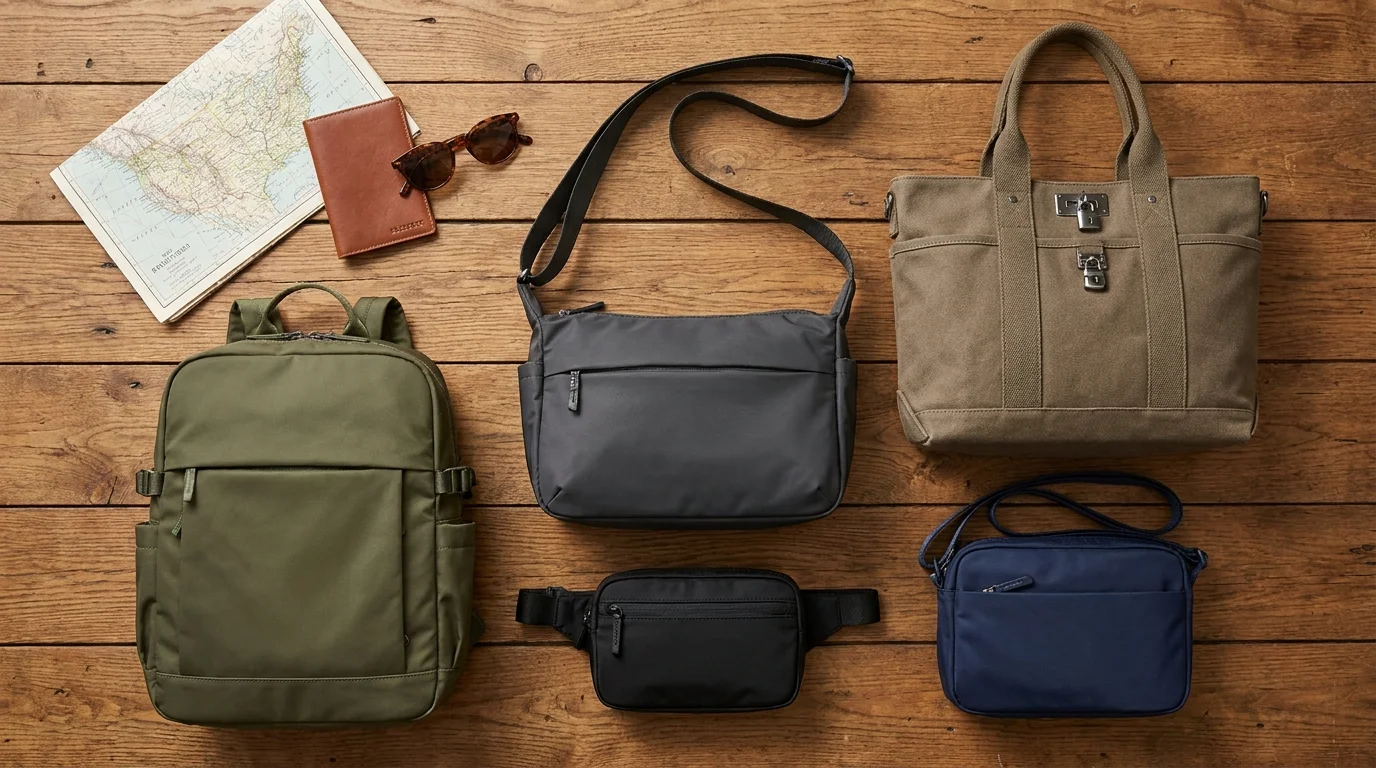
1. Anti-Theft Crossbody Bag
Ideal for: City sightseeing, public transport, crowded markets These bags usually come with hidden zippers, slash-resistant straps, and RFID protection — perfect for cities like Paris, Rome, and Barcelona where pickpocketing is common.
2. Convertible Backpack-Handbag
Ideal for: Multi-city trips involving lots of walking or hiking These hybrid bags let you wear them as a backpack for comfort during long walks and switch to handbag mode for dinners or shopping.
3. Compact Tote Bag
Ideal for: Museum visits, city breaks, day trips A structured tote with a zip closure works well if you’re not worried about extremely crowded areas and want a more polished look for city breaks like Vienna or Amsterdam.
4. Belt Bag / Fanny Pack (Elevated Version)
Ideal for: Theme parks, hiking trails, festivals Modern belt bags have shed their outdated image and now come in leather and designer fabric options — perfect for hands-free convenience.
5. Mini Shoulder Bag
Ideal for: Evenings out, dinners, short excursions For nights out in cities like Florence or Prague, a small structured shoulder bag adds elegance without sacrificing functionality.
Tips for Packing and Using Your Handbag While Traveling
- Keep valuables at the bottom — pickpockets often go for the top of open bags.
- Use packing cubes or pouches inside your bag to stay organized.
- Carry a photocopy of your passport in a separate section, keeping the original secured.
- Avoid overpacking — a lighter bag means less fatigue after a full day of sightseeing.
- Choose neutral colors like black, tan, or olive that go with multiple outfits, reducing the need to pack several bags.
Common Mistakes to Avoid
- Choosing style over function — a beautiful bag with no zip closure is an easy target for theft.
- Overloading the bag — carrying too much adds unnecessary weight and strain.
- Ignoring strap length — a strap that’s too long or too short can be uncomfortable for all-day wear.
- Skipping RFID protection — contactless card and passport theft is a real risk in crowded tourist zones.
Conclusion

Finding the best handbag for travel in Europe comes down to balancing security, comfort, and style. An anti-theft crossbody bag or convertible backpack-handbag is usually the safest and most practical choice for city-hopping across the continent, while a compact tote or mini shoulder bag works well for more relaxed itineraries. Whatever you choose, prioritize lightweight materials, secure closures, and a design that keeps your hands free to enjoy the journey.
With the right handbag by your side, you can focus on what really matters — the food, the culture, and the unforgettable memories of your European adventure.

I’m Muhammad Ubaid, founder of YBR Magazine. I research and write detailed guides on America’s National Parks — covering entry fees, permits, best times to visit, and planning tips — using official NPS sources and up-to-date information.