
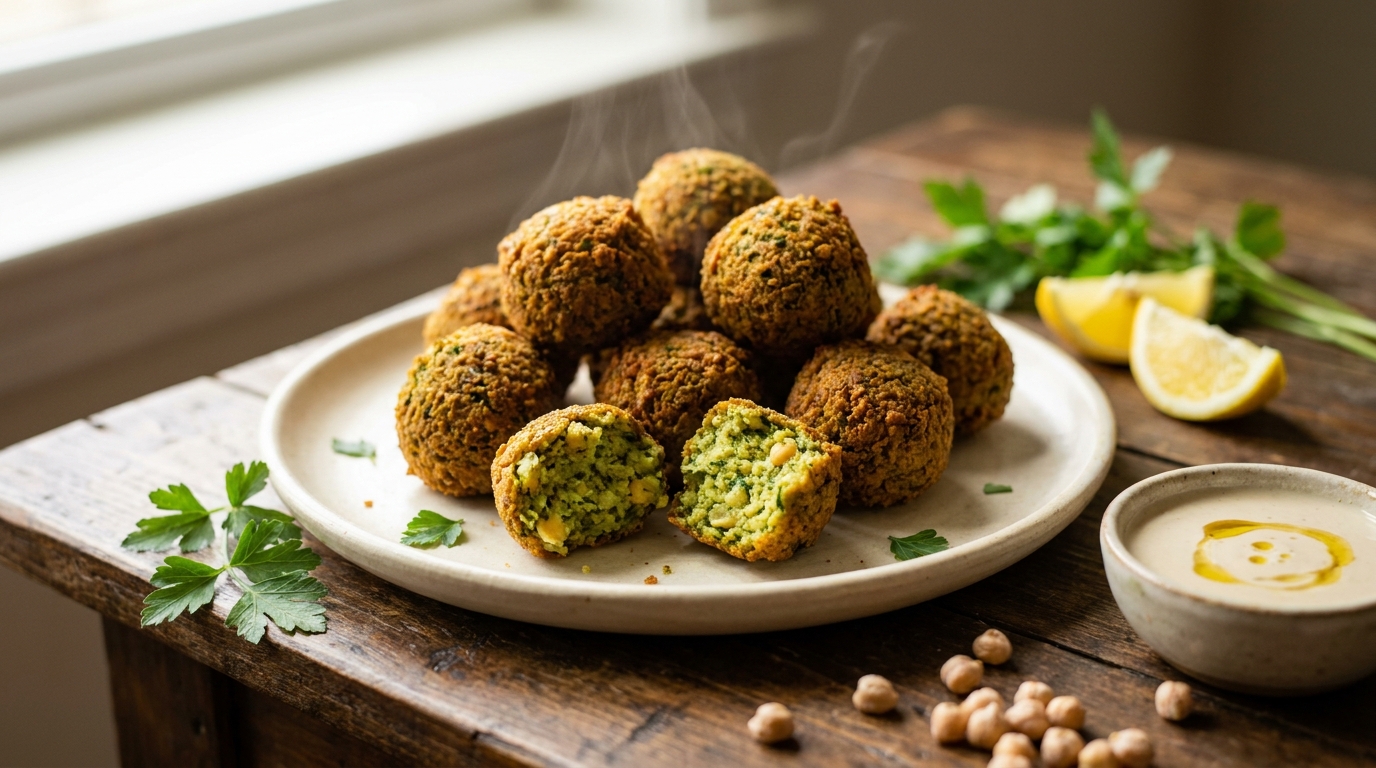
If you typed “way to cook falotani” into a search bar, you are most likely looking for falafel, the crispy chickpea fritters that are loved across the Middle East and all over the world. A dish with the exact spelling “falotani” does not appear in standard cookbooks or food references, so it is very likely a spelling variation or a regional way of saying falafel. Everything in this guide is therefore based on the proven, traditional method for falafel, and you can follow it with full confidence. If you were actually searching for a different dish, the cooking basics and troubleshooting advice here will still help you understand how fried and baked bean patties behave.
What Is Falafel and Why Is It So Popular?
Falafel is a snack and street food made from ground legumes, fresh herbs and spices that are shaped into small balls or patties and then cooked until crisp on the outside and soft and green on the inside. In most of the Levant, including Lebanon, Syria, Palestine and Israel, falafel is made from chickpeas. In Egypt, a very similar dish called ta’amiya is traditionally made from split fava beans, which gives it a slightly different colour and texture. Both versions are usually served tucked inside pita or flatbread with salad, pickles and a creamy sauce, although they are also lovely as part of a mezze platter or on top of a grain bowl.
The reason people love it is simple. It is inexpensive, full of flavour, naturally vegetarian, and it can easily be made vegan as long as you serve it with a plant-based sauce. It also looks impressive when it comes out of the pan, even though the technique is not difficult once you understand a few key points.
The Most Important Rule: Use Dried Chickpeas, Not Canned
The single biggest secret to good falafel is starting with dried chickpeas that have been soaked in water but not cooked. Canned chickpeas have already been boiled and are soft and wet, so the mixture turns into a sticky paste that falls apart in hot oil or turns mushy in the oven. Soaked raw chickpeas keep their starch and structure, which helps the mixture hold together and gives the finished falafel a light, fluffy centre instead of a dense, pasty one.
To soak them, place the dried chickpeas in a large bowl and cover them with plenty of cold water, because they will roughly double in size. Leave them for 12 to 24 hours at room temperature, or in the fridge if your kitchen is very warm. Drain them well and pat them dry before blending. Do not boil them at any point.
Ingredients You Will Need
This recipe makes about 16 to 20 small falafel balls, which is enough for three or four people as a main dish or more as a snack.
- 250 g (about 1¼ cups) dried chickpeas, soaked as described above
- 1 small onion, roughly chopped
- 4 garlic cloves
- 1 cup of fresh flat-leaf parsley, loosely packed
- ½ cup of fresh coriander (cilantro), loosely packed
- 1½ teaspoons ground cumin
- 1 teaspoon ground coriander
- 1 teaspoon salt, plus more to taste
- ½ teaspoon black pepper
- 1 to 2 tablespoons chickpea flour or plain flour, only if the mixture feels too loose
- ½ teaspoon baking soda (optional, see the tips below)
- Neutral oil for frying, such as sunflower, vegetable or canola oil
Step-by-Step Way to Cook Falafel

Step 1: Blend the mixture. Add the drained chickpeas, onion, garlic, parsley, coriander, cumin, ground coriander, salt and pepper to a food processor. Pulse in short bursts rather than running the machine continuously. You want a texture that looks like coarse, damp sand or couscous, with tiny visible pieces. If you blend until it becomes a smooth paste, the falafel will be heavy and dense.
Step 2: Check the texture. Take a small amount of the mixture and squeeze it in your hand. It should hold together without crumbling. If it falls apart, add a tablespoon of flour and pulse once or twice more. If it feels wet and sticky, it needs a bit more flour or a short rest in the fridge.
Step 3: Rest the mixture. Cover the bowl and refrigerate it for 30 minutes to 1 hour. This short rest lets the flavours settle and firms up the mixture so the balls are easier to shape and less likely to break apart during cooking.
Step 4: Shape the falafel. If you are using baking soda, stir it in now, just before shaping. Use wet hands or a small scoop to form the mixture into balls about the size of a walnut, or into flat patties about 5 cm (2 inches) wide. Press them firmly so they stay compact. Smaller falafel cook more evenly and are less likely to stay raw in the middle.
Step 5: Heat the oil. Pour oil into a heavy pot or deep pan to a depth of about 5 to 8 cm (2 to 3 inches) and heat it to roughly 175 to 180°C (350 to 355°F). A kitchen thermometer is the most reliable tool here. If you do not have one, drop a small piece of the mixture into the oil. It should sizzle steadily and rise to the surface within a few seconds without burning right away.
Step 6: Fry in batches. Carefully lower a few falafel into the oil, taking care not to crowd the pot, because too many at once will lower the oil temperature and make the falafel greasy. Fry for about 3 to 5 minutes, turning them gently, until they are deep golden brown all over. Remove them with a slotted spoon and drain them on paper towels. Allow the oil to come back up to temperature before adding the next batch.
Step 7: Serve while hot. Falafel tastes best when it is freshly fried, while the outside is still crunchy and the inside is steaming.
Can You Bake or Air Fry Falafel Instead?
Yes, and this is a popular option for people who want to use less oil. The result is not identical to deep-fried falafel, because it will be slightly drier and less crunchy, but it is still tasty and much easier to clean up after.
Oven method: Preheat the oven to 200°C (400°F). Place the shaped falafel on a baking tray lined with baking paper and brush or spray them lightly with oil. Bake for 20 to 25 minutes, turning them halfway through, until they are golden and firm.
Air fryer method: Preheat the air fryer to about 180°C (350°F). Spray the falafel lightly with oil and cook them in a single layer for roughly 10 to 15 minutes, turning once. Cooking times vary between machines, so check them early the first time.
How to Make a Simple Tahini Sauce
Falafel and tahini sauce are a classic pairing. To make a basic version, whisk together a few tablespoons of tahini, the juice of half a lemon, one small crushed garlic clove, a pinch of salt and enough cold water to reach a pourable consistency. The sauce will thicken at first and then loosen as you add water, so add it slowly. Adjust the lemon and salt to your taste.
If you prefer something lighter, plain yoghurt mixed with lemon juice, garlic and a little chopped mint is a refreshing alternative, though it will not be suitable for vegan diets.
Best Ways to Serve Falafel
The most traditional way to enjoy falafel is inside a warm pita with chopped tomato, cucumber, lettuce, pickled vegetables and a generous spoonful of tahini sauce. It also works very well on a mezze board beside hummus, baba ganoush, olives and fresh bread. For a lighter meal, place a few falafel on top of a salad with fresh herbs, or serve them over rice or couscous with a squeeze of lemon. Leftover falafel can even be crumbled into a wrap the next day.
Common Problems and How to Fix Them
The falafel falls apart in the oil. This is usually caused by using canned chickpeas, blending the mixture too smoothly, or having a mixture that is too wet. Use soaked dried chickpeas, keep the texture slightly coarse, and add a little flour if needed. Chilling the mixture before shaping also helps.
The falafel is dry or dense inside. The mixture was probably over-processed into a paste, or the chickpeas were not soaked long enough. Pulse gently and make sure the chickpeas have soaked for at least 12 hours.
The falafel is greasy. The oil was not hot enough, or too many pieces were fried at once. Keep the oil near 175 to 180°C and cook in small batches.
The outside is dark but the inside is raw. The oil was too hot or the falafel were too large. Lower the heat slightly and shape smaller balls.
The falafel tastes bland. Falafel needs a generous amount of fresh herbs and salt. Do not skip the parsley and coriander, and taste a tiny fried test piece before cooking the whole batch so you can adjust the seasoning.
Tips for the Best Falafel
Use fresh herbs rather than dried, because they give falafel its bright green colour and fresh taste. Keep your hands and the scoop lightly wet while shaping to prevent sticking. Baking soda is optional, but some cooks add a small amount because it can make the inside lighter and help the surface brown, so use only a little, since too much can leave a soapy taste. Always dry the soaked chickpeas well before blending, because excess water makes the mixture loose.
Storage and Reheating
Let cooked falafel cool completely and store it in an airtight container in the fridge for up to three days. To bring back the crunch, reheat it in a hot oven or air fryer for several minutes rather than using a microwave, which makes it soft. You can also freeze the uncooked shaped balls on a tray, then transfer them to a freezer bag and cook them directly from frozen, adding a few extra minutes to the cooking time. Always make sure the centre is hot all the way through before eating.
Frequently Asked Questions
Is falotani the same as falafel?
No dish with the exact name “falotani” is documented in standard food references, so it is most likely a variation in spelling or pronunciation of falafel. If you have a specific regional recipe in mind, check its ingredients against this guide.
Can I make falafel without frying?
Yes. Baking and air frying both work well, although the texture will be a little less crisp.
Is falafel healthy?
Falafel is made from legumes and herbs, which provide plant protein and fibre, but deep frying adds extra fat and calories. Baking or air frying is a lighter option.
Is falafel gluten-free?
It can be, as long as you use chickpea flour instead of wheat flour and serve it without pita. Always check the labels of any packaged ingredients.
How many falafel should I make per person?
Around five to six small balls per person is a common portion for a main meal.
Final Thoughts
The best way to cook falotani, or falafel as it is most commonly known, comes down to a few simple choices: use soaked dried chickpeas, keep the texture coarse, chill the mixture, fry at the right temperature and do not overcrowd the pan. Once you have made it a couple of times, you will be able to adjust the herbs and spices to suit your own taste and enjoy fresh, crunchy falafel whenever you like.
Disclaimer: This article is for general cooking information only. Cooking times and temperatures may vary depending on your equipment, ingredients and kitchen conditions. Hot oil can cause serious burns and fires, so never leave it unattended and keep children away from the stove. Falafel and its common accompaniments may contain allergens such as sesame (tahini), gluten and legumes, so always check ingredients if you or your guests have allergies or dietary restrictions. Nutrition-related comments are general and are not medical or dietary advice. The name “falotani” could not be matched to a documented dish, and this guide treats it as a variant search spelling of falafel.
Explore More
TheJavaSea.me Leaks AIO-TLP371: What It Means, What Is Verified, and How to Stay Safe

I’m Muhammad Ubaid, founder of YBR Magazine. I research and write detailed guides on America’s National Parks — covering entry fees, permits, best times to visit, and planning tips — using official NPS sources and up-to-date information.