
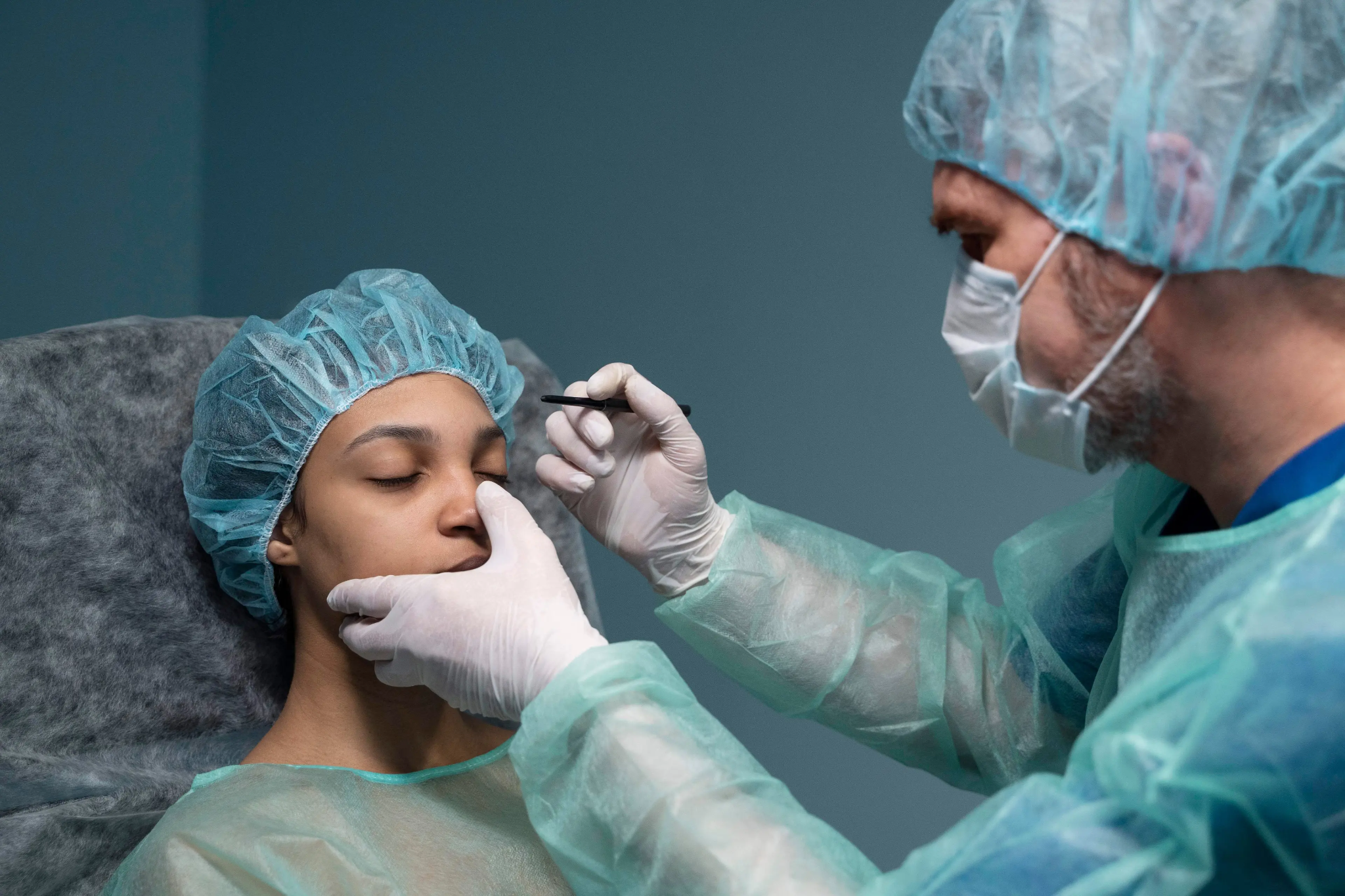
Cosmetic surgery is a major medical decision, and doing it in another country adds extra layers: choosing a provider you cannot easily visit beforehand, arranging travel around a recovery, and working out who looks after you once you are home. UK health bodies are consistent on this point. The NHS says surgery abroad can cost less than in the UK, but that savings need to be weighed against real risks, because safety standards and follow-up care may differ.
Poland has become a destination worth researching for international patients interested in cosmetic procedures. Some private providers advertise lower prices for breast enlargement, breast reduction, and tummy tuck surgery than UK private clinics, partly because of lower operating and local healthcare costs. But a lower headline fee is not the same as lower total cost, and price should never be the deciding factor.
This guide walks through the main steps of researching, planning, and preparing for plastic surgery in Poland, using guidance from the NHS, the Royal College of Surgeons of England, and the Polish medical regulator.
1. Research Cosmetic Surgery Options in Poland
Start by deciding which procedure, if any, is right for you, and learn what it involves before you contact any provider.
The three procedures most often offered to international patients are:
- Breast enlargement (augmentation): usually involves implants. The NHS notes that implants do not last a lifetime, and some women need further surgery after about 10 years, either because of a problem with the implant or because the breasts have changed around it.
- Breast reduction: removes excess breast tissue, fat, and skin to reduce size and reshape the breasts.
- Tummy tuck (abdominoplasty): removes excess skin and fat from the abdomen and sometimes tightens the abdominal muscles. The NHS stresses it is not a weight-loss procedure and is not suited to people who are overweight.
Each operation has its own medical requirements. A qualified surgeon should assess your health and tell you honestly whether surgery suits you.
2. Understand Why Patients Consider Poland
Poland is one of several European countries international patients compare when looking at private cosmetic surgery. The main attraction is cost. For context, the NHS puts UK breast implant surgery at roughly £3,500 to £8,000, and some Polish clinics advertise noticeably lower package prices. Published Polish prices vary widely between clinics, and listing sites quote very different ranges for the same operation, so treat any single figure as a starting point for questions rather than a guarantee.
A lower price can be real, but it does not tell you anything about surgical skill, facility standards, or aftercare. Poland may be worth researching, but choose a provider on verified credentials, suitable facilities, and the quality of care rather than price alone.
3. Choose a Qualified Cosmetic Surgeon
The Royal College of Surgeons of England advises looking for the same skills and experience abroad that you would expect from a surgeon in the UK, and the NHS notes that standards and qualifications can differ between countries and can be hard to check from outside.
Practical steps:
- Check the register. In Poland, doctors must be registered with the Supreme Medical Chamber (Naczelna Izba Lekarska), which maintains the Central Register of Physicians. Look up your surgeon’s name and licence status through the chamber at nil.org.pl, and ask the clinic for the registration number so you can verify it yourself.
- Verify any UK claims separately. If a provider says its surgeon trained or worked in the UK, you can search the General Medical Council register to see whether the doctor is listed and on which register.
- Ask about the specific operation. The NHS suggests asking about training and qualifications, professional memberships, how long the surgeon has been practising, and how many procedures like yours they have performed. A surgeon who mainly does breast surgery may have a different focus from one who mainly does body contouring.
- Check insurance. The RCS says the surgeon should be fully insured to carry out the procedure, and you can ask to see details.
- Check the language. Your surgeon must speak a language you understand well enough to discuss risks and answer your questions.
- Ask for before-and-after photographs of the surgeon’s own work for your procedure.
Be cautious about decisions based on promotional material, online testimonials, or an attractive price alone.
4. Research Europe Surgery Poland
Europe Surgery Poland is one provider that presents information on breast enlargement, breast reduction, and tummy tuck surgery for international patients. It highlights the potential affordability of treatment in Poland compared with UK private fees, and it describes its surgeon as having consultant-level training.
These are the provider’s own descriptions. As with any clinic, treat them as claims to check rather than facts to rely on. If you are considering this provider, ask for:
- the surgeon’s full name, registration number, and specialist qualifications, so you can verify them with the relevant register;
- the exact hospital or facility where the operation would take place, and whether you can see it;
- a written quotation stating what is and is not included (consultations, anesthesia, medical tests, implants, medication, garments, follow-up appointments);
- the named doctor responsible for your care if a problem arises after you return home;
- the policy on revision surgery and complications, including who pays.
Clear, specific, written answers are a good sign. Vague or sales-led answers are a reason to pause.
5. Compare Treatment Prices and Prepare a Budget
The RCS advises finding out about all planned and possible costs, including what happens if you need to travel back for further treatment or change your mind after paying. An advertised surgical fee rarely covers everything. Build your budget around:
| Cost | What to check |
|---|---|
| Surgeon’s fee | Whether it is a fixed price or varies with the operation |
| Facility charges | Operating theatre, nursing, and any overnight stay |
| Anesthesia | Whether the anesthetist’s fee is included |
| Assessments | Pre-operative consultations and tests |
| Implants and supplies | Implant type, medication, dressings, compression garments |
| Travel | Flights, local transport, airport transfers |
| Accommodation | Enough nights for the recommended recovery period |
| Follow-up | Check-ups, and any charges for extra appointments |
| Contingency | Costs from complications or further treatment |
Ask for a written quotation, and compare the total commitment across providers rather than the lowest advertised fee.
6. Understand the Procedure Before Booking
Breast enlargement
Breast enlargement is carried out under general anesthetic, and you should understand the implant options (silicone gel or saline), where the implant will sit, and the possible problems. These include rupture, capsular contracture (firming of scar tissue around the implant), infection, and a result you are not happy with. The NHS also notes that a very small number of people with implants have developed breast implant-associated anaplastic large cell lymphoma (BIA-ALCL) in the scar tissue around the implant, that implants can interfere with mammograms, and that you should still attend breast screening.
In the UK, a national Breast and Cosmetic Implant Registry records details of implants so people can be traced if a problem emerges. If you are treated abroad, ask for full documentation of your implants (manufacturer, type, size, and batch or serial numbers) so any future UK clinician can identify them.
Breast reduction
Breast reduction involves incisions that need time to heal. Your surgeon should explain the expected scarring, changes in nipple sensation, and the possible effect on future breastfeeding before you consent.
Tummy tuck
The NHS describes a tummy tuck as major surgery usually done under general anesthetic. You will normally leave hospital with dressings and a compression garment, and the NHS says it takes about six weeks to recover fully. Scarring across the lower abdomen is unavoidable, and numbness in the tummy can last months or longer. A mini tummy tuck gives a smaller effect than a full one, so make sure you know which operation is being proposed.
7. Attend a Thorough Medical Consultation
The NHS recommends two consultations with the surgeon who will operate before any surgery, which also gives you a cooling-off period, normally two weeks in the UK. Be wary of any arrangement where you only speak to a salesperson, and do not pay for a hospital you have not seen or a surgeon you have not met.
Your consultation should cover:
- your medical history, medications, allergies, previous operations, and lifestyle factors such as smoking;
- the proposed technique, realistic results, and limitations;
- alternatives to surgery;
- risks and complications, and how they would be treated;
- the type of anesthesia and who will give it;
- recovery time, activity restrictions, and follow-up arrangements;
- possible future procedures and extra costs.
If a provider promises guaranteed results or pressures you to book quickly, seek an independent medical opinion.
8. Plan Your Travel to Poland
When a clinic has been vetted and you have received medical guidance, coordinate flights and dates with the clinic rather than booking first. Confirm the surgery date, consultation schedule, accommodation, and expected length of stay, and arrange transport between the airport, your accommodation, and the medical facility.
The flight home matters for safety. The NHS explains that air travel and major surgery both raise the risk of a blood clot, which can be life threatening. Its guidance is not to fly for 5 to 7 days after procedures such as breast surgery and liposuction, and for 7 to 10 days after a tummy tuck or facial cosmetic surgery. Your surgeon may advise longer, so do not book a return flight until the clinic has confirmed an appropriate date.
Consider whether you need a companion to help with transport and daily tasks in the first days of recovery.
9. Prepare for Surgery Before Departure
Follow the surgeon’s pre-operative instructions closely. Typically that means:
- completing all required tests and assessments;
- giving accurate information about medications and health conditions;
- following fasting instructions before anesthesia;
- discussing smoking and alcohol with your medical team;
- bringing the medical records and documents the clinic asks for;
- understanding the consent form before you sign it.
Do not stop prescribed medication without medical advice, and make sure you know whom to contact if your health changes before the operation.
10. Arrange Suitable Accommodation for Recovery
Choose somewhere restful and close to the medical facility, and ask the clinic how long you should stay in Poland after surgery. Depending on the procedure, you may need help with shopping, meals, and getting around.
The NHS is direct about combining surgery with a holiday: a holiday before surgery is possible, but it is unrealistic afterwards, because you need rest and should avoid alcohol, sun, sightseeing, and swimming. Cutting the stay short to save money can create medical problems, so build the trip around recovery.
11. Understand the Recovery Process
Recovery differs by procedure and by person, and it can take longer than expected.
- After breast enlargement: swelling, bruising, and tenderness are common. The NHS says it can take a few weeks to recover fully, and some surgeons recommend wearing a supportive sports bra around the clock for up to three months.
- After breast reduction: expect swelling, bruising, and changes in sensation while the incisions heal. Follow wound-care and activity instructions and attend follow-up appointments.
- After a tummy tuck: recovery is longer because of the abdominal incision and any muscle repair. You may need help at first and should avoid strenuous exercise until your surgeon says it is safe.
Seek prompt medical assessment for severe or increasing pain, fever, spreading redness, or unusual discharge. Chest pain or breathing difficulty is an emergency.
12. Organize Postoperative Care Before Traveling
This is the part of cosmetic surgery abroad that is easiest to overlook and hardest to fix later. The NHS points out that if you have complications after an operation in the UK, the surgeon is responsible for follow-up, whereas overseas clinics may not provide follow-up, may not provide it to the same standard, and may have no healthcare professional in the UK for you to turn to.
Before booking, ask:
- Where will check-ups take place, and how long does the clinic support you?
- Who is the named doctor to contact, rather than a general helpline? (The RCS recommends insisting on this.)
- What happens if you need more surgery, and how easily could you return to Poland?
- What will it cost?
- Will you receive written recovery instructions and a copy of your operation notes to show a UK clinician?
The RCS also warns that the NHS is unlikely to help with complications from cosmetic surgery abroad unless you need emergency or life-saving treatment, so do not plan on the NHS as your safety net.
13. Check Insurance and Additional Financial Risks
The NHS and the RCS both say ordinary travel insurance does not normally cover problems arising from planned surgery abroad. Read your policy carefully, and consider whether specialist cover exists for your circumstances.
Also ask the clinic and surgeon:
- what professional indemnity insurance they hold, and whether it covers you;
- how you would get home in an emergency, and who would pay;
- what their policy is on revision surgery and unexpected hospital costs.
Understand your financial responsibilities before you sign a treatment agreement, and keep a contingency fund for the unexpected.
14. Understand the Risks of Plastic Surgery Abroad
Every operation carries risk wherever it is performed. Possible complications include infection, bleeding, reactions to anesthesia, blood clots, scarring, delayed wound healing, and results that fall short of expectations. Some people need further treatment or revision surgery.
Treatment abroad adds practical risks. Follow-up is harder when your surgeon is in another country, and the UK’s Royal College of Surgeons and the NHS both caution against any package that markets surgery as a holiday. The British Association of Aesthetic Plastic Surgeons has reported a sharp rise in the number of UK operations to correct cosmetic surgery done overseas. Travelling for surgery does not guarantee better results or lower total costs.
A responsible provider will explain the risks plainly and give you time to decide without pressure.
15. Create a Checklist Before Confirming Your Booking
| Planning area | What to confirm |
|---|---|
| Surgeon | Registration checked on the official register, qualifications, and experience with your procedure |
| Medical facility | Location, standards, and emergency arrangements; ask to see it |
| Procedure | Technique, expected results, risks, and alternatives |
| Price | Written quotation and a complete list of what is included |
| Consultations | Two consultations with the operating surgeon and a cooling-off period |
| Medical preparation | Required tests and pre-operative instructions |
| Travel | Flights, transfers, and a return date approved by the surgeon |
| Accommodation | Suitable place for the whole recovery period |
| Aftercare | Follow-up appointments and a named doctor’s contact details |
| Insurance | Clinic indemnity, travel insurance exclusions, and emergency repatriation |
| Additional costs | Complications, revision surgery, and return travel |
| Documentation | Operation notes, implant details, and medication list to take home |
16. Make a Decision Based on Your Individual Needs
The best provider is not necessarily the cheapest or the most heavily advertised. Ask whether the procedure is right for your health, whether the surgeon has relevant, verifiable experience, and whether you will have reliable medical support throughout your recovery.
Some people will be better served by treatment closer to home, where follow-up is straightforward. Others will find that the total cost of plastic surgery in Poland remains attractive after travel and accommodation are included. Taking time to compare providers, ask questions, and read independent guidance helps you decide on the basis of your medical needs and circumstances.
Conclusion
Planning plastic surgery in Poland involves much more than choosing a procedure and booking a flight. You need to research providers, verify surgeon registration through official registers, compare complete treatment costs, prepare medically, and arrange reliable postoperative care before you travel.
For people considering cosmetic surgery abroad, Poland may offer competitive prices for breast enlargement, breast reduction, and tummy tuck surgery. Europe Surgery Poland is one provider offering information about these procedures to international patients, and, as with any provider, its claims should be independently checked before you commit.
Choosing plastic surgery abroad is a decision to base on medical suitability, patient safety, realistic expectations, and affordability, in that order

I’m Muhammad Ubaid, founder of YBR Magazine. I research and write detailed guides on America’s National Parks — covering entry fees, permits, best times to visit, and planning tips — using official NPS sources and up-to-date information.