


Quick Overview of Four Popular Epic Adventures
| Adventure | Typical window | Effort level | Main planning hurdle |
|---|---|---|---|
| Antarctica expedition | November to March | Low to moderate physically, high in cost | Choosing the right type of operator |
| Everest Base Camp trek | Spring and autumn are widely advised | High, mostly because of altitude | Acclimatization time |
| Grand Canyon river trip | Varies by trip and operator | Moderate | Access to permits |
| Northern lights journey | September to April | Low | Weather and solar activity |
Plenty of people dream of the chance to travel to epic adventures beyond the ordinary, yet few know where to start once the daydream becomes a real plan. The phrase sounds exciting, but it is a marketing label rather than a defined type of trip, so the first job is to decide what “epic” means for your own budget, fitness and free time. This guide compares four of the most talked-about options, explains the permit and safety rules that often surprise first-timers, and points out where popular online advice is outdated or contradicts itself.
What “Epic” Really Means in Travel Search Results
Search for this idea and the first results are mostly tour operator pages and personal blogs. One well-known adventure operator describes its small guided groups across all seven continents as adventure beyond the ordinary, while a long-running travel blogger defines epic trips as journeys that reach rarely seen parts of the world and test people physically, emotionally and spiritually. A luxury operator, meanwhile, uses the word in itinerary names such as an “Epic India” snow leopard trip, which its website lists at about 8,800 US dollars per person; that price is undated, so treat it only as an example of the upper end.
Because nobody agrees on a definition, a working one is more useful than a slogan. People who want to travel to epic adventures beyond the ordinary usually mean a trip that needs real preparation, takes them into an environment where weather and terrain set the schedule, and leaves little room for last-minute booking. Several top-ranking pages repeat generic lines about escaping the ordinary without giving any permit, cost or safety detail, so their claims are best treated with caution.
Four Adventures Worth Planning Around
Antarctica: Famous, Regulated and Busier Than Expected

Antarctic tourism is overseen largely by the International Association of Antarctica Tour Operators, known as IAATO, whose members agree to shared environmental and safety rules. According to a report published by KarryOn that cites IAATO, visitor numbers reached 118,491 in the 2024-25 season after a record 122,072 in 2023-24. Older press releases quoted a different record of 105,331 visitors, which refers to an earlier season, so always check the season and counting method before repeating any figure.
Growth forecasts also disagree. A 2025 estimate suggested numbers could climb to 450,000 by 2033, but an industry expert quoted in the same KarryOn report expects totals to stay fairly stable over the next five to seven years. For a traveler, the more practical point is the difference between landing trips and “cruise only” voyages: Princess Cruises has said its Sapphire Princess is on IAATO’s cruise-only list because the ship is too large to make landings, so a big-ship itinerary will show you the scenery but not put you on the ice. A small number of operators are not IAATO members, which the same report describes as uncommon, and it is reasonable to ask about membership before paying a deposit.
Everest Base Camp: A Walk, Not a Climb, but Still Serious

Everest Base Camp on the Nepal side sits at 5,364 meters (17,598 feet) inside Sagarmatha National Park. Standard itineraries from Lukla take 12 to 14 days including rest days at Namche Bazaar and Dingboche, and one operator points out that walking in via Jiri or Salleri adds two to three days of lower-altitude trekking that also helps the body adjust.
Permit rules are where many guides disagree. Before October 2018 trekkers needed three permits, but the TIMS card was dropped for this route, leaving a Sagarmatha National Park entry permit and a Khumbu Pasang Lhamu Rural Municipality permit. Published fees conflict: some sources give the park permit as NPR 3,000 for foreigners, others mention NPR 1,500 for South Asian nationals, and the municipal permit is quoted as both NPR 2,000 and NPR 3,000. Because Nepal changes these fees and rules often, the sensible step is to confirm current amounts with the Nepal Tourism Board or your operator. The municipal permit is collected at Lukla or Monjo rather than in Kathmandu, while the park permit can be bought in either Kathmandu or Monjo.
Altitude sickness deserves more respect than most blog posts give it. Guidance referenced by In Your Pocket, drawing on the NHS, stresses that it does not depend on how fit you are and that descending is the only dependable treatment for serious cases. Some trekkers carry the drug acetazolamide, sold as Diamox, but that is a decision to make with a doctor before you leave.
Grand Canyon by River: Two Very Different Ways In
Rafting the Colorado River through Grand Canyon National Park can be done on a commercial guided trip or on a self-guided private trip. The National Park Service hands out private launch dates through a weighted lottery held every February for the following year, with extra lotteries for cancelled dates, and it offered 482 permits for 12- to 25-day trips in its 2025 round. Applicants must be at least 18, and the park states that technical whitewater experience is mandatory on every self-guided trip.
Two rules catch people out. A person may take part in only one recreational trip per year through the Lees Ferry to Diamond Creek section, whether commercial or private, and lottery and permit payments are nonrefundable once a date is awarded and cannot be changed or traded. For anyone without serious river experience, the park itself directs people who want professional guidance to book with a commercial company instead of entering the lottery.
Northern Lights: Timing Is Less Obvious Than It Looks
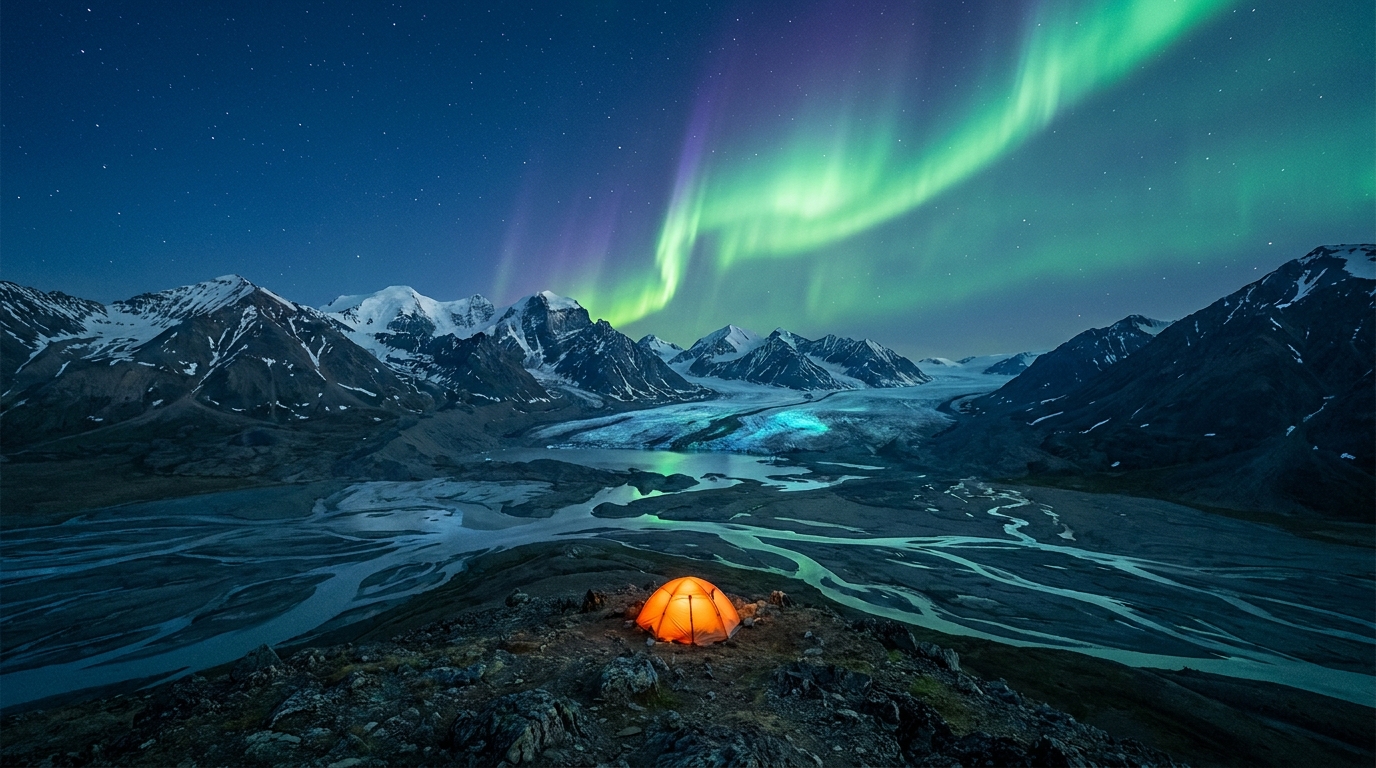
Many articles call 2026 the single best year ever to see the aurora, but the science is more nuanced. NASA scientists announced that the sun reached its solar maximum in late 2024, according to Lonely Planet, and a Live Science report quotes an expert who says the strongest aurora often arrives a few years after maximum, which would make the 2026-27 season especially promising. Claims that this is a once-in-a-lifetime window are exaggerated, since the cycle repeats roughly every 11 years.
The season is already underway as of late October 2026, and the best odds still come from high latitudes such as northern Norway and Sweden, Iceland, Alaska, northern Canada and Svalbard. An Icelandic tour company notes that long-range space weather predictions are broad beyond about three days and that cloud forecasts beyond roughly 36 hours are guesswork, which is why flexible, multi-night trips tend to work better than a single planned evening. Solar maximum also does not make the lights visible in summer, because there is not enough darkness.
How to Travel to Epic Adventures Beyond the Ordinary Without Overreaching
A good rule when you want to travel to epic adventures beyond the ordinary is to book the hardest-to-get item first, whether that is a permit, a polar berth or a guide. The other pieces, such as flights and hotels, are usually easier to adjust around it. One trekking company also advises adding one or two buffer days at each end of a remote itinerary so a delayed flight does not wreck the whole plan.
The table below lists questions worth asking any operator before you pay.
| Question to ask | Why it matters |
|---|---|
| Is the company a member of the relevant industry body? | For polar trips, IAATO membership signals agreed safety and environmental standards. |
| How many acclimatization days are built in? | Itineraries that skip rest days are a common reason trekkers turn back. |
| What does the price include, and which permits are separate? | Fees and rules differ between sources and change often. |
| What happens if weather delays or cancels a leg? | Remote routes depend on flights and sea conditions that no company controls. |
| Does my insurance cover evacuation and the maximum altitude or activity? | Standard policies often exclude remote or high-risk activities, so read the wording. |
Insurance and health checks come first when the destination is far from medical help. A travel doctor can advise on vaccines and any medicine for altitude, and the insurer should confirm in writing that rescue and medical transport are covered for the specific activity and height.
Safety and Responsible Travel
Remote places are fragile, and the rules that protect them are part of the experience rather than an obstacle. In Antarctica, IAATO guidelines regulate how often sites are visited, for how long and how many people may land at once, while in Nepal and the Grand Canyon the permit system partly exists to manage crowds and protect the landscape. Choosing small groups, local guides and operators that follow these rules keeps more of your spending in the region and reduces pressure on popular sites.
It also helps to be honest about your limits. If you want to travel to epic adventures beyond the ordinary without regretting it, pick the trip that matches your current fitness and experience, then train for it months ahead rather than hoping the itinerary will go easy on you.
Frequently Asked Questions
Do I need to be very fit for an epic trip?
It depends on the trip. One Nepal operator describes the Everest Base Camp trek as a high-altitude hike rather than a technical climb, though it still labels it moderate to challenging. An aurora journey or an Antarctic cruise asks far less of your body, but the Grand Canyon private-trip rules above show that skill, not only fitness, can be a requirement.
Can I trek in Nepal without a guide?
Rules on independent trekking in Nepal have changed in recent years, and online sources are inconsistent about what is currently required. Check with the Nepal Tourism Board or a licensed local operator shortly before you book, since this is not reliably confirmed in the pages that rank highest.
Can anyone guarantee that I will see the northern lights?
No. Lonely Planet notes that even a luxury aurora expedition cannot promise a sighting, so longer stays in a dark, high-latitude location give a better chance than a single night.
Are Antarctic visits limited by law or by industry rules?
Mostly by industry self-regulation under the Antarctic Treaty system, with IAATO setting guidelines for its members. Whether tougher caps on total visitors or on busy areas such as the Peninsula should be introduced is still debated among experts.
Do you need a huge budget to travel to epic adventures beyond the ordinary?
Not always, although costs vary widely. Nepal operators, for example, price Everest treks by style, from basic teahouse trips with shared services to premium versions, and no single reliable figure exists. Asking for itemized quotes from two or three operators is the easiest way to compare.
Conclusion
The best way to travel to epic adventures beyond the ordinary is to treat the idea as a planning project rather than a slogan. Pick one destination that suits your fitness and budget, verify permits and fees with official bodies, and choose an operator that is open about safety, cancellations and local impact. With realistic expectations, even the most famous trips become more rewarding and far less stressful.
Disclaimer
This article is for general information only and is not medical, legal, financial or insurance advice. Permit fees, entry rules, visitor statistics and seasonal conditions change often, so confirm current details with official authorities and licensed operators before booking, and speak with a doctor about altitude, medication and health risks before any high-risk trip.
Explore More
Best Month to Go to Hawaii: Weather, Crowds, Costs and Seasons Compared

I’m Muhammad Ubaid, founder of YBR Magazine. I research and write detailed guides on America’s National Parks — covering entry fees, permits, best times to visit, and planning tips — using official NPS sources and up-to-date information.

