


Those with mental health disabilities can face significant barriers in everyday life. Simple chores become impossible feats, goals are left behind, and emotional stability is quickly pushed aside and overshadowed by lows, intrusive thoughts, and other distressing symptoms.
As our understanding of mental health conditions expands, so does the range of treatments available. There is no single approach that fits everyone. Some find significant relief in the form of group therapy and medication, while others experience healing in mindfulness and art. Another treatment that is quickly gaining attention is emotional support animals (ESAs).
When used in conjunction with other treatments, an emotional support animal’s benefit is immense. Any animal can qualify as an ESA if the right conditions are met, and that includes felines.
If you’re looking to get an ESA cat, our guide below explains how to get an ESA added to your treatment plan. We will also discuss the legal benefits this can bring and whether you need to get them registered.
How Can a Cat Provide Emotional Support?
Before we delve into how to get an ESA cat, we’ll highlight the ways that a cat can help with debilitating mental health disabilities, such as depression, anxiety, and bipolar disorder.
While dogs and their connection to us have been extensively researched, the study of human-cat relationships is still in its infancy. However, studies that have been produced thus far all indicate similar findings: The companionship and presence of a cat has a positive impact on their owner’s well-being.
Samantha Jayne Ravenscroft’s 2021 study, for instance, found that owners consistently reported improved well-being from engaging in activities with their cats. Providing for the cat was reported to give them a strong purpose in life and increase their enjoyment.
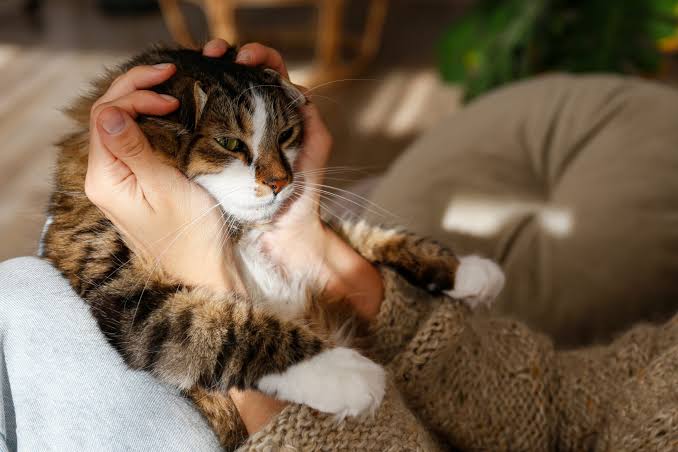
Meanwhile, tactile interactions, such as petting and stroking the cat, were reported to elevate feelings of calmness and relaxation.
Getting an ESA Cat and What the Process Involves
Getting an emotional support cat isn’t complicated, but it is a legal process that requires close adherence to the requirements. You cannot simply claim your cat is an ESA. Only a licensed provider can determine this.
Here’s the process broken down into simple steps:
- Have an official diagnosis of a mental health disability. This disability must be recognized by the DSM-5.
- Participate in an ESA evaluation with a state-licensed mental health professional. They will use their expertise, paying close attention to your medical history and needs, to determine if an ESA cat is an appropriate treatment.
- Receive your ESA letter. If the provider recommends an ESA cat, they will write you an ESA letter. This letter is the legal document needed to turn your cat from a pet into a legal ESA.
If you already have an ongoing relationship with a mental health professional, consider asking them to see if they can arrange an ESA letter evaluation for you. You can also work with a reputable online ESA letter provider, who can connect you with an appropriate professional through telehealth.
Whichever route you choose, be mindful of the nuances beneath the laws. The mental health professional must be licensed to practice in your state to give you an ESA letter. In certain places, like Arkansas, you may also be required to have a 30-day relationship with the professional before you can receive your ESA letter.
Emotional Support Animal Registration Cat Guidance: Is it Mandatory?
No, registration is not mandatory. An ESA cat’s legal status comes from an ESA letter. However, registration can bring additional advantages to ESA owners. For example, US Service Animals also offers registration alongside their online ESA letter service. Their ESA registration claims to offer perks such as:
- Your information is stored in an online, searchable database for convenience
- Additional security and peace of mind
- A team always available to support you and answer any ESA-related concerns
Registration may also help give individuals a better way to manage disputes with landlords. Unfortunately, some uninformed landlords wrongly believe that an ESA cat must be registered or certified.
Challenging them can prove distressing and result in a long-winded legal battle, especially following the recent U.S. Department of Housing & Urban Development (HUD) changes. Since the revisions, HUD no longer handles emotional support animal cases. They now only focus on discriminatory practices against task-trained service animals.
Providing a landlord proof of registration alongside an ESA letter can thus nip things in the bud and resolve the issue before things escalate.
Emotional Support Animal Registration Cat: What Comes Next?
What comes next ultimately depends on the stage you are in your treatment path. If you are yet to make your ESA official, speak to a state-licensed mental health professional or use a telehealth provider to arrange your ESA letter evaluation.
If you have a valid ESA cat already and are looking to get them registered for more security, get in touch with a reputable provider. You can explore this full emotional support animal cat guide for more information.


