


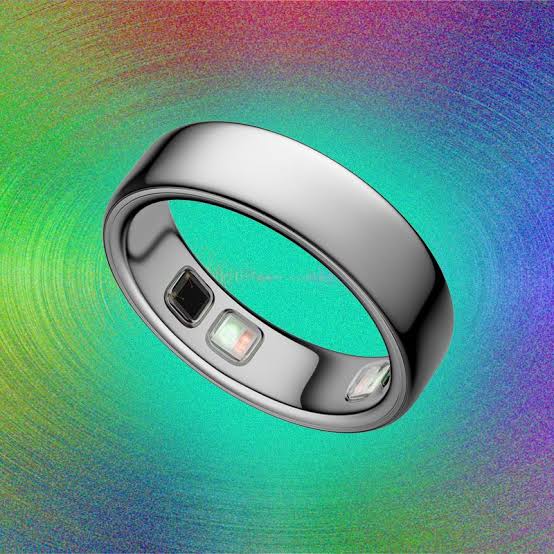
Maintaining a healthy lifestyle becomes easier when you understand your daily habits. From counting steps to monitoring sleep, small details can help you make better decisions about your well-being. A fitness ring is a modern wearable device that makes this process convenient by collecting selected health and activity measurements from your finger.
Unlike traditional fitness trackers, which are usually worn on the wrist, a fitness ring offers a compact design that fits naturally into everyday life. It can be worn at work, during rest, and throughout many daily activities, depending on the manufacturer’s recommendations. Its discreet appearance also makes it suitable for people who prefer simple accessories over devices with large screens.
Activity, sleep, heart rate, and other wellness indicators can all be tracked with a health tracking ring. Although features vary between models, these devices can help users recognize patterns and build healthier routines. Before selecting one, it is essential to comprehend its advantages and disadvantages.
What Is a Fitness Ring?
A fitness ring is a wearable electronic device designed to track selected aspects of physical activity and personal wellness. It looks similar to a regular ring but contains miniature sensors and electronic components.
Depending on the model, it may record steps, estimate activity levels, monitor heart rate, and analyze sleep patterns. Some devices also provide recovery estimates based on recent activity and nighttime measurements.
Most fitness rings connect to a smartphone application. The application displays collected information through graphs, daily summaries, and progress reports. This allows users to review their habits without needing to check a screen throughout the day.
A fitness ring is not a substitute for medical devices or professional medical care. Instead, it provides general wellness information that may assist individuals in comprehending their routines and determining areas of improvement.
How Does a Health Tracking Ring Work?
A health tracking ring uses miniature sensors to collect information while the user wears it. Movement, changes in blood volume, and other signals related to activity and health may be measured by the sensors.
By detecting changes in the flow of blood close to the skin, optical sensors are able to estimate heart rate. Motion sensors aid in movement detection and activity tracking. Certain models also measure skin temperature trends during rest.
The device processes these signals using built-in software. It then sends the collected information to a compatible smartphone application, where users can review their daily results.
The ring fit, sensor design, movement, and software algorithms all play a role in determining the accuracy of these measurements. Users should therefore treat the results as estimates rather than precise medical measurements because of this.
Important Features of a Fitness Ring
Different fitness rings offer different tools. Before buying one, it helps to understand the features that may support your goals.
Daily Activity Monitoring
Users can learn how much they move throughout the day by using activity tracking. Depending on the device, this could be activity summaries, step counts, or estimates of movement.
For someone who spends many hours sitting, these insights may encourage regular walking breaks. Activity data can be used by people who already exercise to look for general patterns in their routines.
Heart Rate Tracking
A lot of fitness rings measure heart rate while doing certain activities and at rest. This information may help users understand how their heart rate changes across different situations.
Some models also estimate resting heart rate and related trends. These readings can provide useful context, but they should not be used alone to diagnose a health condition.
Sleep Monitoring
The ability to track one’s sleep is a common feature found in wellness wearables. Sleep duration, nighttime activity, and sleep stages can all be estimated using a fitness ring.
Reviewing these estimates over time can help users recognize irregular schedules or habits that coincide with changes in sleep. However, consumer devices cannot replace professional sleep assessments.
Recovery and Readiness Insights
Recovery or readiness scores can be generated by combining information about activity, sleep, and heart rate in some rings.
These scores may help users decide when to prioritize rest or maintain their usual exercise schedule. They are general indicators rather than definitive measures of physical readiness.
Smartphone Application Support
The experience as a whole is significantly enhanced by the companion application. It allows users to review trends, set goals, and understand the information collected by the ring.
A clear, easy-to-use application can make tracking more practical. Verify smartphone compatibility and whether advanced features necessitate an additional subscription prior to purchase.
Benefits of Using a Health Tracking Ring
One major benefit of a health tracking ring is its compact design. It takes up little space and does not have the large display found on many smartwatches.
Its discreet appearance makes it suitable for different settings, including offices, travel, and everyday activities. Many users also appreciate the ability to collect information without repeatedly checking notifications.
Another advantage is the opportunity to observe habits over time. For example, activity reports may reveal that movement decreases on busy workdays. Sleep summaries may highlight inconsistent bedtimes.
This information can encourage gradual lifestyle improvements. Instead of making dramatic changes, users can set manageable goals and review their progress regularly.
A fitness ring may also appeal to people who want wellness tracking without purchasing a device designed primarily for calls, messages, and smartphone notifications.
Fitness Ring vs. Smartwatch
Fitness rings and smartwatches can both support health tracking, but they serve slightly different preferences.
A smartwatch generally offers a screen, notifications, timers, workout controls, and access to various applications. Additionally, some models offer GPS-based activity tracking and detailed exercise data.
A fitness ring focuses on a smaller, more discreet form. It is often designed to collect information in the background, with detailed results available through a smartphone application.
For people who want live workout statistics, a smartwatch may be more practical. For those who prefer simple, screen-free wellness tracking, a ring may be appealing.
Neither option is automatically superior. The right choice depends on comfort, intended activities, desired features, and budget.
How to Choose the Best Fitness Ring
Choosing a suitable fitness ring requires more than comparing product appearance. You can make an informed choice by considering a number of practical factors.
- Fit and comfort: Select the correct size and follow the manufacturer’s sizing instructions.
- Battery life: Compare how long each model lasts between charges.
- Tracking features: Check whether the device supports your preferred activity and wellness measurements.
- Compatibility: Confirm that it works with your smartphone and operating system.
- Subscription costs: Find out whether advanced reports require recurring payments.
- Durability: Review water resistance and material specifications.
- Privacy: Read the company’s policies on storing and sharing personal data.
- Warranty: Check the warranty period, customer support, and return conditions.
It is also helpful to read recent customer reviews. These may reveal practical details about comfort, battery performance, and the reliability of the companion application.
Tips for Getting Better Results From a Fitness Ring
Buying a fitness ring is only the beginning. Using it consistently and interpreting its information carefully can make the experience more valuable.
Start by learning how to wear, charge, and maintain the device. Follow the manufacturer’s recommendations for fit and sensor placement.
Set realistic activity goals instead of trying to achieve perfect scores every day. For example, you could gradually increase your daily walking or take short movement breaks during working hours.
Review trends across several days rather than reacting to individual readings. One low activity score or an unusual night of sleep does not necessarily indicate a problem.
You should also combine tracking with other healthy habits, including balanced nutrition, regular exercise, and sufficient rest. The ring can provide information, but meaningful progress depends on your actions.
If tracking creates stress or encourages constant checking, consider reducing how often you review your results.
Who Can Benefit From a Health Tracking Ring?
A health tracking ring may suit people with different lifestyles and fitness goals.
Office workers may use it to monitor movement and encourage more active breaks. Fitness enthusiasts may appreciate reviewing activity and recovery estimates alongside their exercise routines.
People interested in improving their sleep habits may find overnight tracking useful. Frequent travelers may also appreciate a compact wearable that takes up little space.
However, a ring is not suitable for every situation. People who lift heavy weights, work with machinery, or participate in contact sports should check safety recommendations before wearing one.
Individuals with specific medical concerns should also remember that consumer wellness devices are not substitutes for professional evaluation.
Common Mistakes to Avoid When Using a Fitness Ring
One common mistake is assuming that every measurement is completely accurate. Wearable devices estimate many health indicators, and their results can vary with movement, fit, and sensor limitations.
Another mistake is choosing a product based only on price. A cheaper ring may lack important features or require a subscription for information you expected to receive.
Some users also focus too much on daily scores. Instead of treating every number as a target, use the information to understand broader patterns and develop sustainable habits.
Finally, avoid ignoring privacy settings. Since health tracking data can be personal, review application permissions and understand how your information is handled.
Frequently Asked Questions
1. What does a fitness ring track?
Depending on the model, it may track steps, activity levels, heart rate, sleep patterns, and selected wellness indicators.
2. Is a health tracking ring suitable for beginners?
Yes. Beginners can use it to observe daily habits and establish realistic goals for movement and rest.
3. Can a fitness ring replace a smartwatch?
Not completely. A smartwatch usually provides more screen-based features, while a fitness ring emphasizes compact design and background tracking.
4. Do fitness rings require subscriptions?
Some do, while others provide their main features without recurring fees. Always check the terms before purchasing.
5. Are fitness rings medically accurate?
They provide estimates, not definitive medical measurements. Their results should not replace professional diagnosis or treatment.
6. Can I wear a fitness ring every day?
Many models are designed for regular use. Follow the manufacturer’s instructions for cleaning, charging, comfort, and activity-related safety.
Conclusion
A fitness ring offers a convenient way to explore everyday activity, sleep patterns, and selected wellness measurements. Its compact design makes it an appealing alternative for people who want health tracking without wearing a larger device.
A health tracking ring can encourage better habits by helping users recognize patterns and set achievable goals. However, the most useful results come from combining its information with consistent exercise, adequate sleep, and balanced daily routines.
Before choosing a model, compare its features, comfort, battery life, compatibility, privacy protections, and total cost. With realistic expectations, a fitness ring can become a practical companion for anyone interested in making more informed decisions about everyday wellness.


