

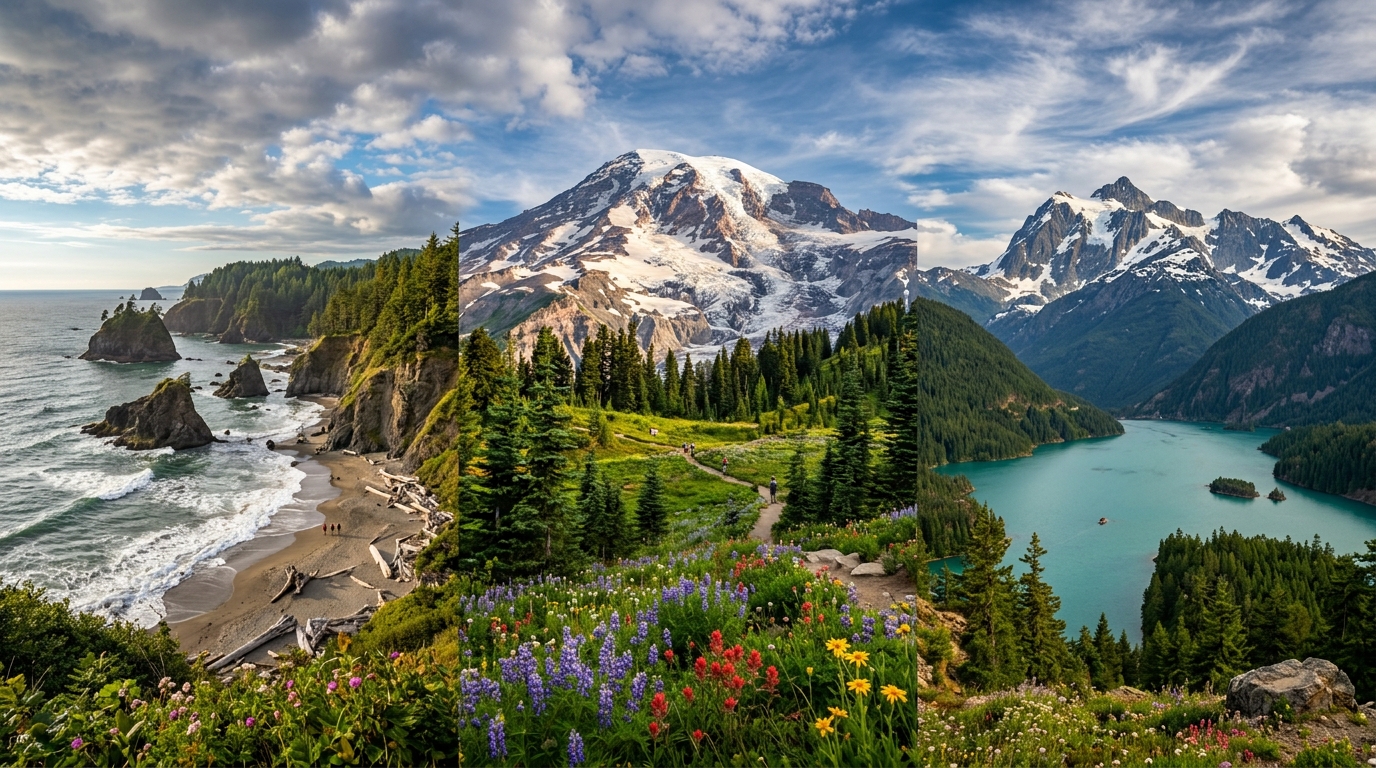
Overview of the Pacific Northwest National Parks Region
Pacific Northwest national parks offer a remarkably distinct climate, geography, and ecosystem compared to parks found in desert or eastern states. Pacific Northwest national parks are defined by massive active volcanoes, deep temperate rainforests, rugged ocean coastlines, and high alpine zones. Travelers planning a trip to Pacific Northwest national parks often face unique environmental challenges like heavy rainfall, unpredictable weather shifts, and seasonal road closures caused by deep snowpacks. Understanding the sheer variety of landscapes found across the Pacific Northwest helps visitors prepare for a region famous for both wild beauty and rapidly changing conditions.
Most standard travel guides simply list the parks with basic visitor statistics and generic descriptions. These guides often miss vital practical details about how quickly weather can change from valley floors to mountain summits. Furthermore, travelers frequently underestimate how different the coastal rainforests feel compared to the high volcanic peaks. Knowing what to expect in each unique ecosystem allows visitors to pick the right destination based on what they actually want to experience.
Regional planning requires acknowledging the sheer geographic span covered by these protected lands. Traversing the terrain demands proper vehicle preparation because cell service can vanish quickly once you leave major highways. Local park rangers emphasize safety protocols because coastal tides and sudden alpine weather shifts catch unprepared hikers off guard every single season.
Navigating Massive Volcanic Peaks and Alpine Meadows
Volcanic mountains in the Pacific Northwest offer a specific type of dramatic landscape featuring high-elevation hiking, massive glaciers, and unique geological formations. These towering peaks create their own weather patterns, which means clear morning skies can quickly turn into afternoon rain or sudden snowstorms. Visitors exploring these alpine zones should always check local weather forecasts and ranger stations before starting any long hikes.
Higher mountain passes and visitor centers often remain closed well into the summer months due to heavy winter snowfall. When the snow finally melts, wildflower meadows burst into bloom for a very short window during July and August. Travelers exploring these high-country environments need sturdy footwear, warm layers, and windproof jackets even during the warmest summer months.
Geological history here involves active tectonic plates and volcanic activity that shaped the entire regional topography. Massive stratovolcanoes dominate the horizon, offering challenging summit routes for experienced mountaineers alongside gentle interpretive loops for casual day hikers. Experiencing these high-elevation zones provides profound insight into the powerful natural forces constantly reshaping the western landscape.
Immersing in Temperate Rainforests and Rugged Shores
The Pacific Northwest region features rare coastal rainforests and rugged ocean beaches that require a completely different packing list and mindset than the mountain ranges. These lush lowland forests receive incredible amounts of annual precipitation, which fuels massive evergreen trees, thick moss blankets, and vibrant fern understories. Walking through a coastal rainforest feels entirely peaceful, but visitors should always expect damp ground and intermittent drizzle.
Along the Pacific coastline, towering sea stacks, rocky tide pools, and crashing ocean waves define the horizon. Visitors exploring the coastal shores must keep a close eye on ocean tides to avoid getting stranded in hidden coves during rising waters. Combining a mountain trek with a coastal rainforest visit provides a balanced experience of what makes the wider western region so remarkable, much like exploring the diverse terrain detailed in our detailed pacific coast and mountain park itineraries.

Coastal ecosystems support an incredible array of marine wildlife, including migrating whales, playful sea otters, and numerous shorebird species. Exploring tidal pools during low tide reveals delicate sea stars, anemones, and crabs clinging tightly to wave-lashed rocks. Respecting wildlife viewing guidelines ensures these fragile coastal habitats remain protected for future generations of outdoor enthusiasts.
Essential Planning Strategies for Weather and Road Closures
Unpredictable weather and seasonal road closures make thorough trip planning much more important in the Pacific Northwest than in many other national park regions. Visitors must remain flexible with their daily itineraries because sudden storms can close mountain roads or obscure scenic viewpoints with thick fog. Renting a reliable vehicle with good tire tread is always a smart choice when driving through remote mountain passes and winding coastal highways.
Packing waterproof gear is non-negotiable for anyone spending time outdoors in this part of the country. Even during the driest summer months, unexpected rain showers can occur without warning. Packing layers of clothing allows travelers to adjust easily as temperatures drop sharply with elevation gains.
Securing lodging and backcountry permits requires advance preparation because peak summer visitor numbers frequently overwhelm local facilities. Checking official park websites for real-time road conditions, fire restrictions, and parking availability prevents frustrating travel delays. Prioritizing safety and environmental stewardship helps preserve these breathtaking natural wonders for every traveler.
Frequently Asked Questions About Pacific Northwest National Parks
What is the best time of year to visit Pacific Northwest national parks?
The summer months between July and early September offer the most reliable weather, clearest mountain views, and fully open park roads.
Do I need reservations to enter Pacific Northwest national parks?
Some popular areas and specific vehicle corridors require advance timed-entry reservations during peak summer travel seasons, so checking official park websites beforehand is essential.
Are dogs allowed on hiking trails in these national parks?
Most national park trails restrict pets to protect local wildlife and fragile natural ecosystems, though pets are usually allowed in parking areas and along paved roadways.
How much rain should I expect during a summer visit?
While summer is the driest season, coastal rainforests and high mountain areas can still experience unexpected rain showers and heavy morning mist.
Can I see glaciers in the Pacific Northwest national parks?
Yes, several massive active volcanoes still feature visible glaciers, though many of these ice fields are receding due to changing climate patterns.
Disclaimer: National park conditions, weather patterns, and access rules can change rapidly throughout the year. Always verify current operating hours, weather alerts, and road statuses from official park sources before starting your trip.

I’m Muhammad Ubaid, founder of YBR Magazine. I research and write detailed guides on America’s National Parks — covering entry fees, permits, best times to visit, and planning tips — using official NPS sources and up-to-date information.