


When shingles repeatedly come loose or fall off your roof, it’s tempting to simply patch the problem and move on. However, this approach can lead to bigger issues down the road, including water damage, structural deterioration, and increased repair costs. Homeowners often underestimate the significance of recurring shingle loss, viewing it as a minor inconvenience rather than a symptom of a larger problem. Understanding why shingles keep detaching and what it means for your home’s overall health is crucial. Addressing the root cause, rather than just the symptoms, can save you time, money, and stress in the long run.
What to Expect When Shingles Keep Failing
The Hidden Dangers of Repeated Shingle Loss
When shingles fall off your roof more than once, it’s a sign that something more serious is happening beneath the surface. Each missing shingle exposes the underlying layers of your roof to the elements, allowing moisture to seep in and potentially cause rot, mold, or mildew. Over time, this moisture can compromise the integrity of your roof deck and even the structural framework of your home. The repeated loss of shingles also means that your roof is no longer providing the protection it was designed for, leaving your home vulnerable to leaks and drafts. Ignoring these warning signs can result in escalating repair bills and a decrease in your property’s value. It’s important to recognize that patching up the same problem over and over is not a sustainable solution and may actually mask more significant issues that require professional attention.
Why Quick Fixes Aren’t Enough
Many homeowners opt for quick repairs when shingles go missing, hoping to save money and avoid the hassle of a larger project. However, these temporary fixes often fail to address the underlying causes of shingle loss, such as poor installation, aging materials, or inadequate ventilation. Over time, the cost of repeated repairs can add up, often surpassing the expense of a more comprehensive solution. Working with a Roofing Company Wichita residents trust can help identify the root cause of the problem and recommend a lasting fix. By investing in a thorough inspection and considering a full roof replacement when necessary, you can protect your home from further damage and ensure long-term peace of mind. Quick patches may seem convenient, but they rarely provide the durability or security that a well-executed roofing project can deliver.
Signs Your Roof Needs More Than a Patch
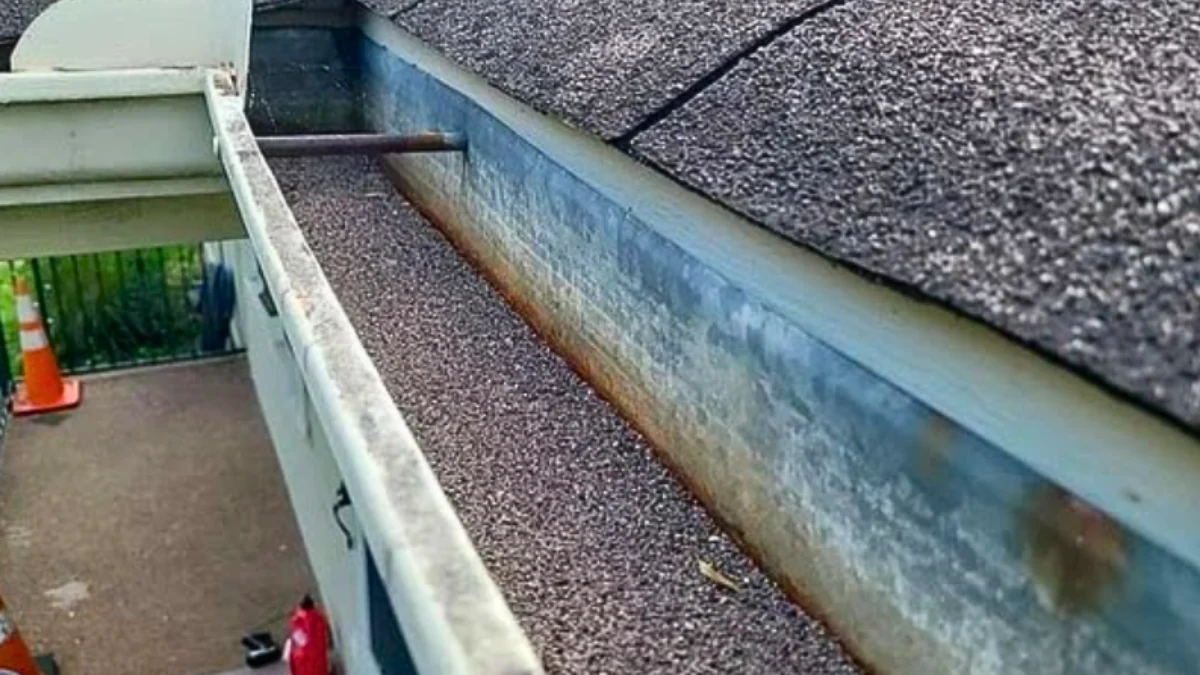
If you notice that shingles are coming off in the same area multiple times, or if you see granules collecting in your gutters, these are clear indicators that your roof may be nearing the end of its lifespan. Other warning signs include sagging sections, visible water stains on your ceilings, or daylight peeking through your attic. These symptoms suggest that the problem extends beyond surface-level damage and may involve the underlying structure of your roof. Addressing these issues promptly can prevent more extensive and costly repairs in the future. A thorough assessment by a qualified roofing professional can help determine whether a patch is sufficient or if a more comprehensive solution is needed. Ignoring these signs can lead to further deterioration, making your home more susceptible to weather-related damage and reducing its overall value.
The Cost of Delaying Proper Repairs
Delaying necessary roof repairs can have significant financial consequences. As water infiltrates your home through missing shingles, it can damage insulation, drywall, and even electrical systems. These secondary issues often require expensive repairs that go far beyond the cost of addressing the initial roofing problem. Additionally, persistent leaks can create an environment for mold growth, which poses health risks to your family and can be costly to remediate. Insurance companies may also deny claims for damage resulting from neglected maintenance, leaving you to cover the expenses out of pocket. Taking prompt action when you notice repeated shingle loss can help you avoid these escalating costs and protect your investment in your home.
When to Consider a Full Roof Replacement
Sometimes, the most effective solution to repeated shingle loss is a complete roof replacement. This is especially true if your roof is more than 20 years old, has widespread damage, or has been patched multiple times without lasting results. A new roof not only restores your home’s protection against the elements but also improves energy efficiency and enhances curb appeal. Modern roofing materials are designed to withstand harsh weather conditions and provide longer-lasting performance than older products. Investing in a full replacement can also increase your home’s resale value and reduce the likelihood of future repairs. Consulting with a reputable roofing contractor can help you determine whether a replacement is the right choice for your situation and ensure that the job is done correctly.
The Value of Professional Assessment
A professional roofing assessment is essential when dealing with repeated shingle loss. Trained contractors can identify issues that may not be visible to the untrained eye, such as hidden water damage, improper ventilation, or structural weaknesses. They use specialized tools and techniques to evaluate the condition of your roof and recommend the most appropriate course of action. Relying on professional guidance ensures that you address the root cause of the problem rather than just treating the symptoms. This approach not only extends the life of your roof but also provides peace of mind knowing that your home is well-protected. Regular inspections and maintenance can help catch problems early and prevent costly repairs down the line.
Understanding the Impact on Home Value
Repeated shingle loss can have a direct impact on your home’s market value. Potential buyers are likely to be wary of a property with a history of roofing issues, fearing future expenses and ongoing maintenance problems. A well-maintained roof, on the other hand, is a strong selling point that can set your home apart in a competitive market. Investing in proper repairs or a full replacement demonstrates that you have taken care of your property and can help you command a higher price when it’s time to sell. Addressing roofing problems promptly not only protects your investment but also ensures that your home remains a safe and comfortable place to live.
Preventing Future Shingle Loss
Preventing future shingle loss starts with choosing quality materials and ensuring proper installation. Regular maintenance, such as cleaning gutters and inspecting for damage after storms, can help extend the life of your roof. Addressing minor issues before they become major problems is key to avoiding repeated shingle loss. Working with a reliable roofing contractor for routine inspections and timely repairs can help you stay ahead of potential issues. By taking a proactive approach to roof care, you can minimize the risk of future damage and enjoy greater peace of mind knowing that your home is well-protected.
Conclusion
Repeated shingle loss is more than just a minor inconvenience; it’s a warning sign that your roof may need more than another patch. Ignoring the problem or relying on temporary fixes can lead to costly repairs, structural damage, and decreased home value. By understanding the underlying causes of shingle loss and taking prompt, comprehensive action, you can protect your home and your investment. Whether it’s time for a thorough inspection, targeted repairs, or a full roof replacement, addressing the issue head-on ensures that your home remains safe, comfortable, and secure for years to come.


