


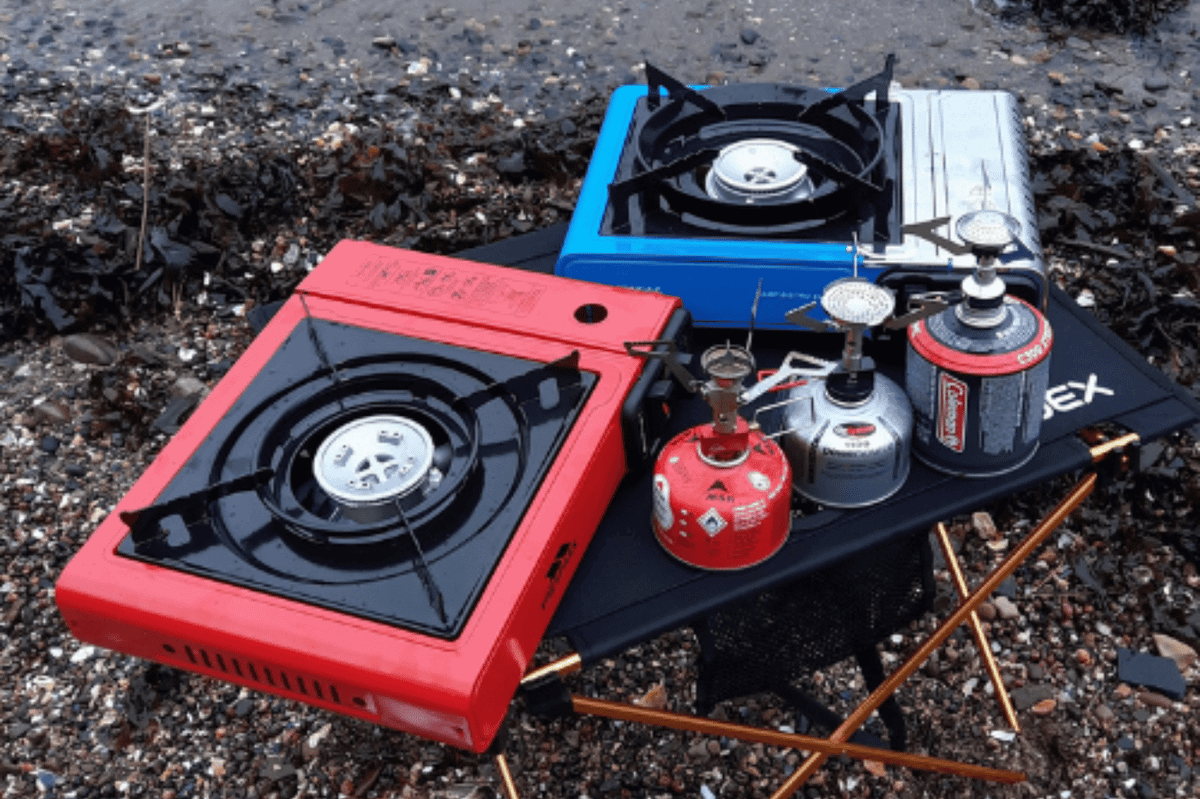
Outdoor adventures often involve spending time away from the convenience of a fully equipped kitchen. Whether you are camping, traveling in a recreational vehicle, enjoying a picnic, or preparing for a weekend in nature, having a practical way to cook food can make the experience more comfortable.
A portable camping stove provides a dedicated cooking option for locations where a conventional kitchen is unavailable. It can help prepare simple meals, heat water, and support a variety of outdoor cooking activities. However, choosing the right stove requires attention to its fuel requirements, size, cooking capacity, and safety instructions.
The Convenience of Cooking Outdoors
Food is an important part of any outdoor trip. A portable stove can make it easier to prepare meals rather than relying entirely on ready-to-eat food or cold snacks.
Depending on the model and its specifications, a camping stove may support pots and pans for preparing breakfast, boiling water, cooking vegetables, or making a simple dinner. This flexibility can be particularly useful during longer trips.
Having a dedicated cooking appliance also allows travelers to plan meals more carefully. You can bring ingredients that suit your preferences and prepare food according to your schedule.
Choose a Stove That Matches Your Travel Style
Different outdoor activities create different cooking requirements. Someone taking a short picnic may need a compact stove, while a family camping trip may require more cooking space.
Think about where you intend to use the stove and how many people you normally cook for. A smaller model may be suitable for individual travelers or couples. A larger cooking surface may be more practical for preparing several portions at once.
You should also consider how frequently you travel. Regular campers may value durability, convenient cleaning, and easy fuel replacement. Occasional users may prefer a straightforward design that does not require complicated setup.
Understand Fuel Compatibility
Fuel requirements are among the most important details to check before purchasing a camping stove. Different appliances are designed for different fuel types, and not every stove is compatible with every fuel container or connection.
Review the manufacturer’s specifications carefully. Confirm the approved fuel type, regulator requirements, connection method, and any accessories needed for operation.
Never attempt to modify a fuel connection or use an unapproved container. Incorrect connections can create serious safety risks. If you are unsure whether a fuel source is compatible, consult the manufacturer before using the appliance.
It is also useful to consider fuel availability at your usual travel destinations. A stove may appear convenient, but it can become difficult to use if its required fuel is not readily available.
Consider Cooking Capacity and Burner Design
Cooking capacity affects how easily you can prepare meals. Some camping stoves are designed for basic cooking, while others provide additional burners or a larger cooking area.
A stove with more than one burner can be useful when you want to prepare multiple dishes at the same time. For example, you may want to cook a main meal in one pan while heating water separately.
Check the recommended cookware size and weight capacity. Make sure your pots and pans are suitable for the stove’s design. Using oversized or unstable cookware can create safety problems.
Consider the meals you normally prepare outdoors. If you mostly heat water or cook simple dishes, a compact option may be sufficient. If you prepare full meals for several people, additional cooking space may be more useful.
Portability and Storage
A camping stove should be practical to transport. Check its dimensions, weight, construction, and whether it includes any carrying or storage features.
Consider how much room you have in your vehicle or camping equipment. A stove that is too large may take up valuable space needed for food, clothing, and other supplies.
If you frequently move between campsites, a compact and manageable design can make transportation easier. However, portability should not be the only consideration. The appliance must also be suitable for your cooking needs and meet the manufacturer’s safety requirements.
Before storing a stove, make sure it is completely cool and disconnected according to the instructions. Keep it in a clean, dry location away from damage.
Stability Is Important When Cooking Outdoors
Outdoor surfaces are not always perfectly flat. Uneven ground can make cooking difficult and may increase the risk of cookware tipping over.
Choose a stable, level surface that is approved for the appliance. Keep the stove away from loose materials, dry vegetation, tents, and other combustible items.
Never place a camping stove inside a tent, vehicle, or enclosed shelter unless the manufacturer specifically approves that exact appliance and setup. Fuel-burning equipment can produce carbon monoxide, a dangerous gas that cannot be seen or smelled. Outdoor-only stoves should always be used outdoors in a properly ventilated location.
Keep children and pets away from the cooking area and never leave an operating stove unattended.
Prepare for Outdoor Cooking Before Leaving Home
A little preparation can make outdoor cooking easier. Before your trip, check that the stove is clean and that all required components are present.
Pack suitable cookware, utensils, food containers, and cleaning supplies. Bring only the fuel approved for the appliance and store it according to its instructions.
Plan meals that match the stove’s cooking capacity. Simple recipes with fewer ingredients can be practical when you have limited preparation space. You may also prepare some ingredients at home to reduce the amount of work required at the campsite.
Check the weather and campsite rules before traveling. Some locations restrict open flames or certain fuel-burning appliances, particularly during periods of increased fire risk.
Cleaning and Maintenance After Each Trip
Outdoor cooking can leave food residue, grease, and dust on a stove. Cleaning the appliance after each trip helps keep it ready for future use.
Allow the stove to cool completely before cleaning. Follow the manufacturer’s instructions for removing components and cleaning surfaces. Avoid using water or cleaning products on parts that are not designed to be washed.
Inspect hoses, regulators, and connections where applicable. If you notice damage, corrosion, or unusual operation, stop using the appliance until it has been checked or repaired appropriately.
Store the stove in a dry place and keep its accessories together. Proper storage can reduce the chance of losing small parts before your next trip.
Explore Portable Camping Stove Options
Before purchasing, compare fuel requirements, burner configuration, cooking capacity, dimensions, and maintenance instructions. Think about the types of trips you take and the meals you want to prepare.
You can review the portable camping stove collection for outdoor cooking equipment designed to support different camping needs.
For additional outdoor cooking products and equipment ideas, visit Big Horn Outdoors. Reviewing the available options can help you plan a practical cooking setup for your next adventure.
Conclusion
A portable camping stove can make outdoor trips more convenient by providing a way to prepare warm meals and beverages away from home. The best choice depends on fuel compatibility, cooking capacity, portability, stability, and maintenance requirements.
Always follow the manufacturer’s instructions and check local campsite rules before using fuel-burning equipment. With appropriate planning and safe operation, a camping stove can become a useful part of your outdoor equipment.


