

Balancing Cruise Port Timelines With Big Island Landmarks
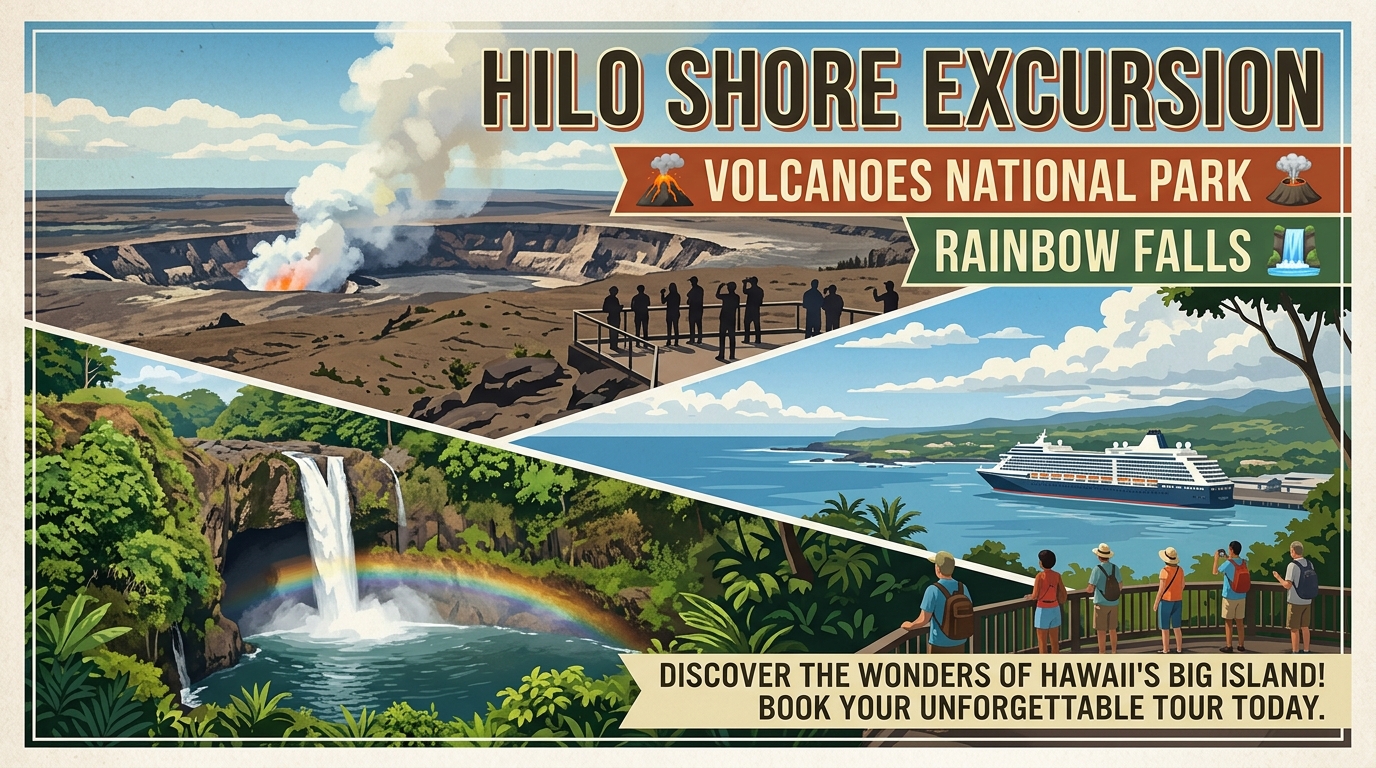
A Hilo shore excursion volcanoes national park rainbow falls merges a quick coastal waterfall stop with an alpine volcanic journey under strict cruise ship departure schedules.
Cruise passengers arriving at the Hilo pier face a unique logistical challenge because the port sits at sea level while the primary island attractions stretch across vastly different elevations and climate zones. Managing travel time efficiently is essential when visitors want to witness both the tropical Wailuku River cascading waters and the rugged summit calderas of Kīlauea before the vessel sets sail. Independent travelers and tour participants alike must account for mountain traffic, sudden weather changes, and the absolute necessity of returning to the pier before the final all-aboard hour.
Leaving the humid coastal air of Hilo behind requires a steady uphill drive that transforms the entire landscape within less than an hour. This dramatic shift from lush tropical foliage to ancient volcanic rock makes careful pacing vital for anyone attempting to see both locations in a single port stop. Planning ahead ensures that neither landmark feels rushed and that everyone avoids the stressful scramble back to the ship at the end of the day.
Catching Morning Light at the Wailuku River Cascade
Rainbow Falls delivers a swift, highly accessible introductory stop located just a short distance from the downtown Hilo harbor. The eighty-foot waterfall plunges over a massive lava cave into a pool surrounded by dense rainforest and towering banyan trees. Morning sunlight often strikes the mist rising from the pool, creating brief, vibrant rainbow colors that give the landmark its famous name. Because the paved viewing platform sits only steps away from the parking area, visitors can easily enjoy this scenic spot without eating into precious hours needed for the mountain journey.
Local regulations and safety conditions prohibit swimming in the pool due to strong undercurrents and hidden rock ledges beneath the surface. Most cruise travelers spend about twenty to thirty minutes here capturing photographs of the lush river canyon before returning to their vehicles. This quick stop serves as a gentle prelude to the stark, windswept volcanic landscapes waiting higher up the slopes of Mauna Loa and Kīlauea.
Navigating the Mountain Ascent to Kīlauea Caldera
Hawaiʻi Volcanoes National Park sits at an elevation of roughly four thousand feet above sea level, demanding a steady forty-five to sixty minute drive southwest from the coast. Visitors inside the park can explore dramatic geological features such as steam vents, sulfur banks, and sweeping overlooks along Crater Rim Drive. According to the National Park Service, guests must remain strictly on designated paths and obey all safety closures because of unstable ground conditions and drifting volcanic gases. For travelers seeking deeper inspiration on park sights, reading through guides on things to do in Volcanoes National Park helps highlight secondary trails if time permits.
Walking along the rim of the massive Halemaʻumaʻu crater offers a humbling look at raw geothermal power that continues to reshape the island daily. Visitors can also walk through the Thurston Lava Tube, known locally as Nāhuku, where molten rock once carved a hollow subterranean corridor through native fern forests. Exploring these major park highlights requires at least two to three solid hours, making it the undeniable center point of the entire excursion.
Recognizing Practical Downsides and Port Return Risks
Weather conditions fluctuate wildly between the warm coastal air of Hilo and the chilly, misty heights of the volcanic summit, meaning visitors need to pack sturdy jackets and rain gear. Highway traffic between the park and the harbor can occasionally back up during peak afternoon commuting hours, creating unexpected delays for returning drivers. Missing the ship is a severe risk because cruise liners maintain strict departure windows and generally do not wait for independent travelers delayed by traffic or car trouble. Building a generous time cushion into the return trip helps protect against unforeseen highway hiccups.
Another common hurdle involves sudden mountain downpours that can instantly obscure distant caldera views and make walking paths slick. Having waterproof layers readily accessible ensures that a sudden squall does not derail outdoor exploration. Furthermore, popular parking lots near the visitor center and lava tube frequently fill to capacity during peak morning hours, requiring patience while waiting for an open space.

Understanding Park Entry Rules and Official Guidelines
Vehicle entrance fees apply for private cars entering the national park, while individual walk-in or bicycle rates apply for guests arriving on tours, according to the National Park Service. Because park fees, operational guidelines, and trail access rules can shift over time, travelers should always check official details directly through the National Park Service website prior to arrival. Checking these updates helps prevent unpleasant surprises regarding temporary road maintenance or active volcanic safety advisories.
Visitors holding an America the Beautiful interagency pass can use it for free entry, covering all occupants riding in a standard private vehicle. Keeping digital or printed copies of your park pass and valid identification ready helps speed up the entry process at the toll booths. Always rely on official park updates rather than outdated travel brochures to ensure accurate fee structures.
Frequently Asked Questions
How far is Volcanoes National Park from the Hilo cruise port?
The drive from the Hilo cruise port to the main entrance of Hawaiʻi Volcanoes National Park takes about forty-five minutes to one hour each way under normal traffic conditions.
Can I visit both Rainbow Falls and the national park in one port day?
Yes, visiting both locations in a single day is very common for cruise passengers, provided you manage your time carefully and leave early from the ship.
What should I wear on this shore excursion?
You should dress in layers because the coast around Hilo and Rainbow Falls is usually warm and humid, while the volcanic summit area is much cooler, windier, and prone to sudden rain.
Do I need to pay an entry fee at Hawaiʻi Volcanoes National Park?
Yes, according to the National Park Service, standard vehicle and individual entrance fees apply unless you hold an accepted interagency annual pass.
What is the biggest risk for cruise passengers visiting these sites?
The biggest risk is unexpected traffic delays or weather issues on the mountain highway causing you to miss your ship’s strict departure time.
Are there places to buy food inside Hawaiʻi Volcanoes National Park?
Limited food and drink options are available near the visitor center, but bringing snacks or packing food from the ship is often a safer choice for a tight shore excursion schedule.
Disclaimer: Travel regulations, weather patterns, and park entry fees can change without notice. Always verify current operating hours, weather alerts, and official guidelines directly from official sources before your visit.

I’m Muhammad Ubaid, founder of YBR Magazine. I research and write detailed guides on America’s National Parks — covering entry fees, permits, best times to visit, and planning tips — using official NPS sources and up-to-date information.