

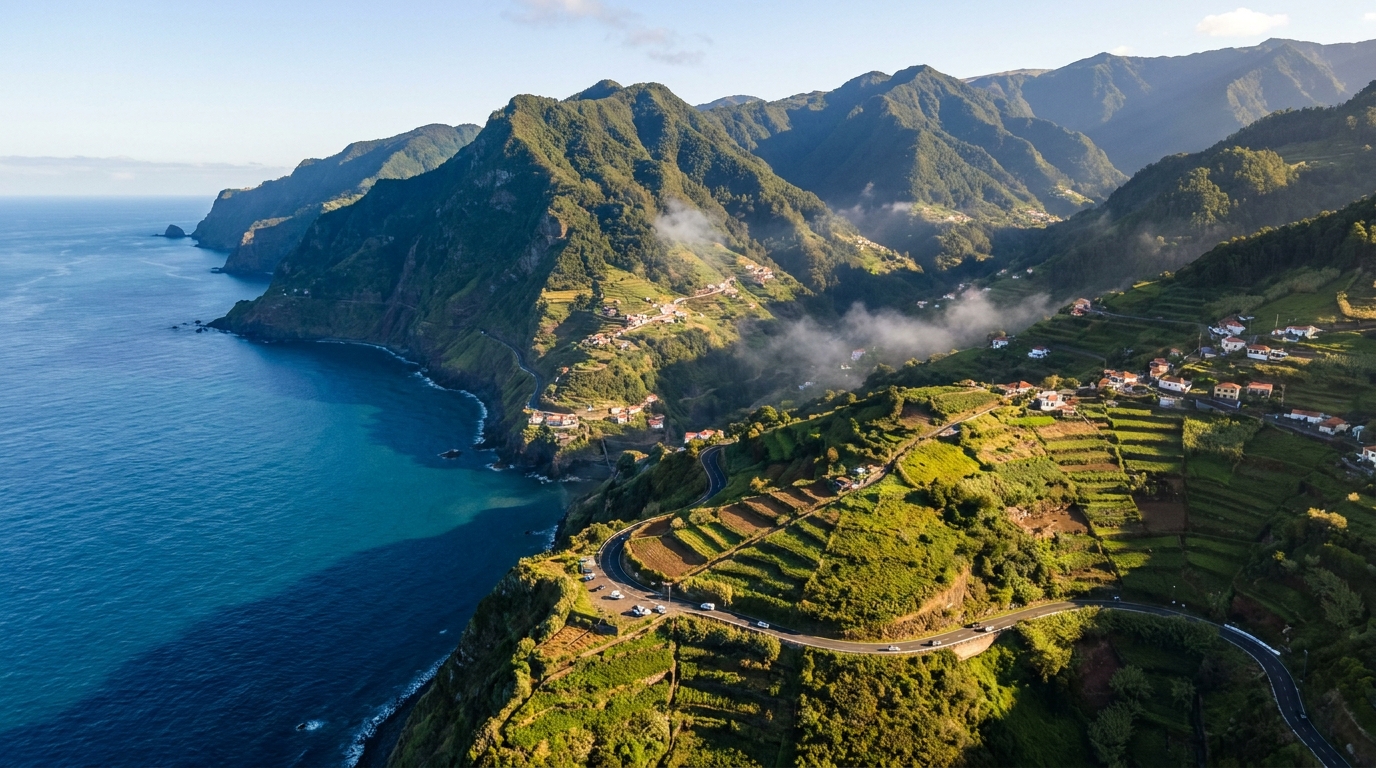
Madeira, Portugal’s “Island of Eternal Spring,” is one of the few destinations in Europe that genuinely rewards you no matter when you show up. Sitting in the Atlantic off the coast of Morocco, this volcanic island enjoys a mild subtropical climate year-round, with temperatures rarely dropping below 16°C (61°F) even in the depths of winter. But if you want to get the most out of your trip — whether that’s hiking the famous levadas, catching the Flower Festival, swimming in natural lava pools, or spotting whales — timing your visit right makes a real difference. Here’s everything you need to know.
Why Madeira Doesn’t Have a “Bad” Season
Unlike most European destinations, Madeira doesn’t really have an off-season in the traditional sense. Thanks to the warm Canary Current and the Gulf Stream, the island’s climate stays remarkably stable throughout the year. Funchal, the capital, sees average highs ranging from around 17–18°C (63–64°F) in January to about 26°C (79°F) in August. That said, the island does have microclimates — the south coast (Funchal) is drier and sunnier, while the north coast (like Santana) is greener, cooler, and wetter. If you’re planning to hike in the mountains, expect cooler and rainier conditions than on the coast, so pack layers regardless of the season.
Spring (March to May): Best for Hiking and Flowers
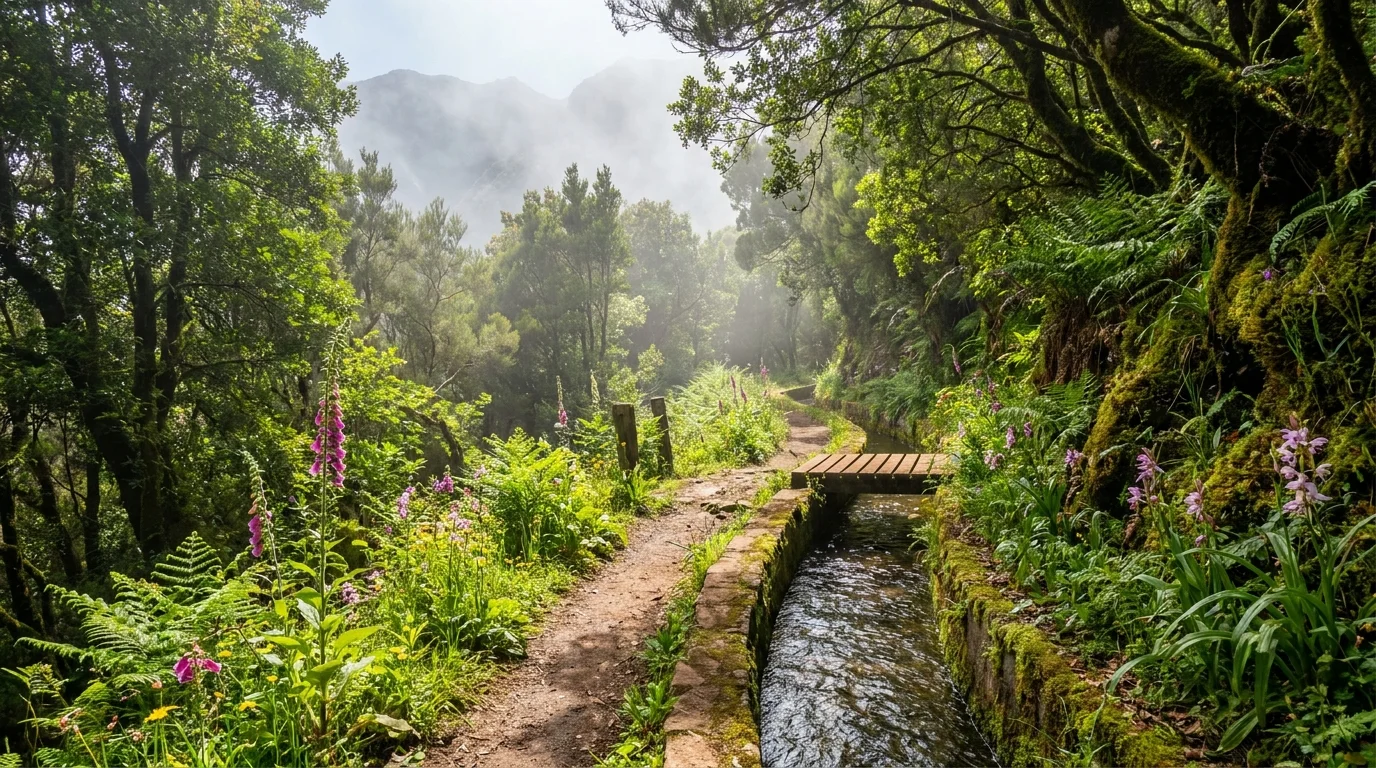
Spring is widely considered the best overall time to visit Madeira, and for good reason. Temperatures sit in a comfortable range of 18–25°C (64–77°F), rainfall is dropping off from winter, and the entire island bursts into bloom. This is peak season for levada walks — Madeira’s network of centuries-old irrigation channels turned hiking trails — since the trails are lush, the waterfalls are full, and the heat hasn’t set in yet.
Late April into May is when Funchal hosts its famous Flower Festival, transforming the city’s streets with elaborate floral carpets and parades. It’s a magical time to visit, but book accommodation early since prices rise and rooms fill up fast.
Summer (June to August): Best for Beaches and Warm Water
If sunshine and warm seas are your priority, June through August is Madeira’s driest and warmest stretch, with highs reaching 25–26°C (77–79°F) and very little rainfall. This is the best window for swimming in Porto Moniz’s natural volcanic pools, doing water sports along the coast, and enjoying long daylight hours. Keep in mind this is also peak tourist season — expect higher prices and busier attractions, especially in August. Hiking is still possible but can feel a bit warm for the more strenuous trails.

Autumn (September to October): The Sweet Spot for Fewer Crowds
Many seasoned travelers consider September and October the most underrated time to visit Madeira. The sea is at its warmest (around 23–24°C), the weather is still pleasant, and crowds thin out noticeably once European schools go back into session. Late August into September also brings the Madeira Wine Festival, with grape harvest celebrations and vineyard visits in Câmara de Lobos. October is a slight transition month — still warm, but rain gradually increases, especially in the second half.
Winter (November to February): Budget Travel and Whale Watching
Winter in Madeira is nothing like winter on mainland Europe. Daytime temperatures still average 16–20°C (61–68°F), making it a genuinely pleasant off-season escape. This is the cheapest and quietest time to visit, ideal if you want to avoid crowds while still enjoying hiking, off-roading, and local culture. It’s also one of the better windows for whale and dolphin watching, and February brings Madeira Carnival — a full-blown, authentic street celebration through Funchal that rivals much bigger European carnivals. Rain is more frequent during these months, particularly in the mountains and on the north coast, so pack a light raincoat.
Best Time to Visit Madeira by Activity
- Hiking the levadas: Spring (March–May) or autumn (September–October) for cooler temperatures and green trails.
- Beach and swimming: June to September, when sea temperatures peak.
- Flower Festival: Late April to late May in Funchal.
- Wine Festival and grape harvest: Late August through September.
- Carnival: February.
- Whale and dolphin watching: Best chances are in spring and winter months.
- Budget travel with fewer tourists: November to February.
Quick Verdict
If you had to pick just one window, April, May, September, and October consistently come out on top — mild temperatures, manageable crowds, blooming or harvest scenery, and lower rainfall than the depths of winter. Summer is better if beaches and guaranteed sun are non-negotiable, while winter suits budget-conscious travelers who don’t mind the occasional shower.
Whatever month you choose, Madeira’s mild, forgiving climate means you’re unlikely to have a bad trip — just a different one.

I’m Muhammad Ubaid, founder of YBR Magazine. I research and write detailed guides on America’s National Parks — covering entry fees, permits, best times to visit, and planning tips — using official NPS sources and up-to-date information.