

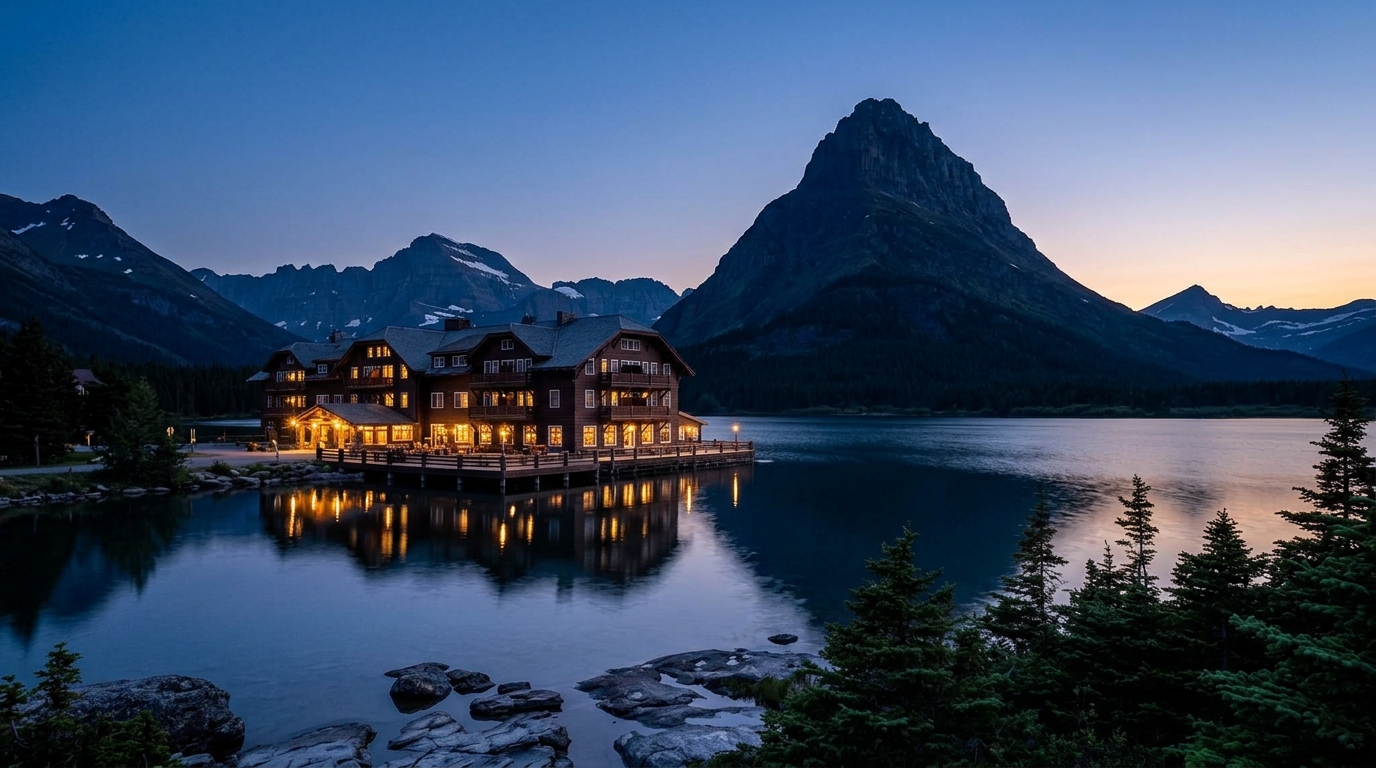
Taking memorable Glacier National Park photographs requires careful planning, a good eye for natural light, and an understanding of the dramatic Montana landscape. Glacier National Park features towering peaks, crystal-clear glacial lakes, and sweeping valleys that change dramatically with every passing season. Whether you are using a professional DSLR camera or a modern smartphone, capturing the essence of Glacier National Park takes more than just clicking a button.
Best Locations for Glacier National Park Photographs
The best locations for Glacier National Park photographs include iconic viewpoints like Logan Pass, Saint Mary Lake, and McDonald Creek, where stunning natural features create unforgettable compositions. Logan Pass sits along the famous Going-to-the-Sun Road and offers sweeping vistas of rugged mountain ranges and alpine meadows. Saint Mary Lake is another premier spot, especially known for Wild Goose Island, which rests quietly in the middle of the water with massive peaks rising directly behind it. Photographers should also explore the dense forests and vibrant shorelines of Lake McDonald to find unique angles of colorful stones underwater.
Capturing Sunrise and Sunset in Glacier National Park
Capturing sunrise and sunset in Glacier National Park means timing your arrival at key viewpoints to catch the golden light striking the mountain tips. Early morning light hits the east side of the park first, making areas like Rising Sun and Two Medicine ideal for peaceful morning reflection shots. As the day ends, evening light illuminates the towering cliffs along the western slopes, casting warm pink and orange hues across the sky. Photographers need to check park access rules and seasonal road openings to ensure they can reach these elevated overlooks safely before daylight fades.
Finding Glacier National Park Colored Rocks and Lakes
Finding Glacier National Park colored rocks and lakes gives visitors a chance to photograph vibrant red, green, and purple argillite stones resting beneath crystal-clear turquoise water. These colorful pebbles are especially famous along the shores of Lake McDonald and several backcountry tarns. The bright colors stand out vividly when the water is calm and the sun shines directly overhead. Visitors should capture close-up details of the smooth stones while keeping the wider mountain landscape in the background for a balanced frame.
Photographing the Aurora Borealis and Night Sky in Glacier National Park
Photographing the aurora borealis and night sky in Glacier National Park is possible during periods of high solar activity because the park has very little artificial light pollution. Clear nights allow astrophotographers to capture the Milky Way arching directly over historic chalets and jagged peaks. The northern lights occasionally paint the night sky with green and purple curtains, providing a rare and magical backdrop for long-exposure photography. Photographers must bring a sturdy tripod, a fast wide-angle lens, and extra batteries to withstand cold nighttime mountain temperatures.
Seasonal Guide for Glacier National Park Pictures
A seasonal guide for Glacier National Park pictures helps photographers understand how summer wildflowers, autumn foliage, and heavy winter snow completely alter the scenery. Summer brings fields of vibrant bear grass and alpine flowers that contrast sharply against melting snow patches. Autumn transforms the valleys with golden aspen and larch trees, while winter blankets the entire landscape in deep snow and freezes the waterfalls. Each season presents distinct photographic challenges and rewards that require different packing lists and clothing choices.

Essential Tips for Photographing Wildlife Safely
Essential tips for photographing wildlife safely include using a telephoto lens and always maintaining a respectful distance from grizzly bears, mountain goats, and bighorn sheep. Wildlife can be unpredictable and dangerous when approached too closely for a better photograph. Photographers must never feed or crowd wild animals and should always carry easily accessible bear spray while hiking through remote trails. For similar scenic mountain photography inspiration, you can also review this comprehensive photography guide for scenic parks that covers outdoor camera techniques.
Disclaimer: Park conditions, weather patterns, and road access can change rapidly due to seasonal shifts and weather events. Always verify current park regulations and safety guidelines from official sources before planning your photography trip.
What are the best months to visit Glacier National Park for photography?
July and August offer the best weather, open roads, and vibrant summer wildflowers, while June and September provide dramatic snow-capped peaks and autumn colors with fewer crowds.
Where is the most famous view in Glacier National Park?
The view of Wild Goose Island from Saint Mary Lake is one of the most famous and photographed scenes in the entire park.
Do I need a special permit to take photographs in Glacier National Park?
Standard park photography for personal use does not require a permit, but commercial film crews and professional portrait sessions often require official authorization.
Are dogs allowed on the trails in Glacier National Park?
Dogs are restricted to developed areas like roads, parking lots, and campgrounds, and they are generally not allowed on dirt hiking trails to protect local wildlife.
How can I protect my camera gear while photographing in the park?
Bring weather-sealed gear, rain covers, and lens cloths to protect your equipment from sudden mountain rain showers, heavy mist, and blowing dust.
What wildlife am I most likely to photograph in the park?
Visitors frequently spot mountain goats, bighorn sheep, mule deer, and occasionally grizzly bears or black bears from a safe distance.
I’m Muhammad Ubaid, founder of YBR Magazine. I research and write detailed guides on America’s National Parks — covering entry fees, permits, best times to visit, and planning tips — using official NPS sources and up-to-date information.