


Imagine you have developed a chocolate product that performs well in your home market. The packaging is attractive, customers enjoy the flavor, and your pricing supports a healthy margin. Taking that product into China, however, introduces a different set of questions. Will local customers understand its positioning? Can you preserve its quality during distribution? Which sales channels are suitable for your budget?
Exploring the china chocolate market requires you to answer these questions before committing significant resources. Instead of beginning with a large launch plan, break the process into smaller decisions that you can research, test, and refine.
Decision One: Identify the Customer You Want to Reach
Your first task is to define the intended buyer as clearly as possible. A chocolate product designed for everyday snacking may need a different price point and package size from one intended for premium gifting. Consider the customer’s likely priorities. Convenience, flavor, ingredient preferences, presentation, and affordability can influence purchasing decisions in different ways. If your product contains distinctive ingredients or uses a specialized production method, determine whether those features matter to the audience you intend to serve.
Avoid defining your audience too broadly. Saying that your product is intended for all chocolate lovers gives you little guidance when choosing packaging, pricing, or marketing messages. A more specific customer profile makes those decisions easier to evaluate. You should also investigate how purchasing occasions affect demand. A product intended for celebrations may require seasonal planning, while an everyday snack may depend more heavily on repeat purchases and consistent availability.
Decision Two: Give Customers a Clear Reason to Choose Your Product
Chocolate shelves can contain products with similar flavors, formats, and visual styles. If you are introducing another option, you need to understand what makes it relevant to your intended customer. That difference does not necessarily need to be dramatic. You might offer a distinctive flavor combination, carefully selected ingredients, convenient portions, or packaging suited to a particular occasion. What matters is whether the feature solves a genuine customer need or provides a meaningful reason to purchase.
Study competing products across several price levels. Compare package sizes, ingredient lists, product descriptions, and the claims brands emphasize. This can reveal how different businesses position their offerings and where your own product might fit. Be careful with premium pricing. A higher price can communicate exclusivity, but customers still need a reason to believe the product offers corresponding value. Your product quality, presentation, and supporting information should reinforce the position you choose.
Decision Three: Make Product Protection Part of Your Strategy
Chocolate is sensitive to its storage and transportation environment. Exposure to excessive heat can affect its appearance and texture, while unsuitable handling may reduce product quality before it reaches a retailer or customer. For this reason, distribution planning should begin during product development rather than after you secure an order. Review packaging performance, storage requirements, expected transit conditions, and the facilities available to your logistics partners.
Ask potential distributors how they handle temperature-sensitive goods and what arrangements are available during transportation and storage. You should also establish how product condition will be monitored and what procedures apply if a shipment arrives damaged. These details influence more than logistics costs. Poor handling can create customer complaints, returns, and unnecessary waste. A distribution method that appears inexpensive may become costly if it cannot protect the product adequately.
Decision Four: Confirm That Your Product Meets Local Requirements
Before arranging a commercial shipment, investigate the regulatory obligations that apply to your specific chocolate product. Requirements may cover food safety, ingredient declarations, allergens, labeling, packaging information, customs documentation, and other import procedures. The exact obligations can depend on the product’s ingredients, origin, classification, and intended route to market. If your chocolate contains dairy, nuts, fillings, or other specialized ingredients, confirm which requirements apply rather than relying on a general checklist.
Consult qualified import professionals and relevant regulatory authorities before finalizing production or shipping arrangements. Review any proposed product claims as well, especially statements relating to nutrition, ingredient sourcing, or production methods. Resolving these issues early can prevent avoidable delays and reduce the chance that packaging or documentation will need expensive revisions after production has begun.
Decision Five: Test Demand Before Expanding Distribution
A large launch can create pressure to sell quickly, but it may also expose your business to unnecessary risk if customer demand remains uncertain. Where practical, begin with a controlled test that lets you collect useful feedback. You could compare two package formats, evaluate different price points, or gather responses to alternative product descriptions. Work with suitable retail or distribution partners where possible, and ensure any trial complies with applicable requirements.
Ask questions that reveal purchasing behavior, not just personal opinions. Would customers buy the product for themselves or as a gift? Does the package size feel appropriate? What price would make the purchase worthwhile? What might encourage them to choose a competing brand instead? Use the answers alongside sales figures, retailer feedback, and competitor research. A small test will not represent every consumer, but it can help identify problems before you invest in wider distribution.
Learn From Industry Connections
Market research becomes more useful when you can compare your findings with the experience of people working across the food supply chain. A food exhibition may introduce you to chocolate manufacturers, ingredient specialists, packaging providers, distributors, and businesses developing related products. Prepare questions about sourcing, production capacity, packaging options, quality procedures, and export experience. These conversations can help you identify possible partners and discover operational considerations you may have overlooked.
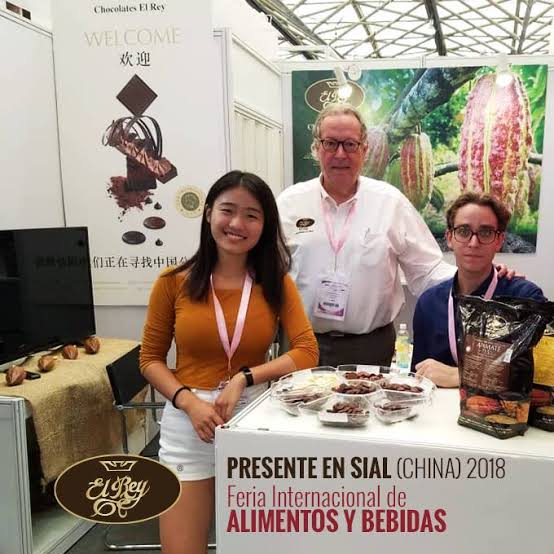
For businesses researching food trade opportunities in China, SIAL China is one event worth investigating. Review its current exhibitor directory, product categories, and event details to determine whether it suits your goals. Treat the conversations you have as a starting point for further checks, not as a substitute for supplier verification or market testing.

Final Thoughts
Entering the china chocolate market involves more than adapting a product that already sells elsewhere. You need to understand your intended customers, establish a convincing product position, protect quality during distribution, confirm regulatory requirements, and test demand before scaling up. A relevant food exhibition can support this process by connecting you with industry professionals and potential suppliers. When you combine those conversations with independent research and controlled testing, you can make decisions based on evidence rather than assumptions.
FAQs
Should you change an existing chocolate recipe before entering China?
Not automatically. First investigate customer preferences, relevant product requirements, and competitor offerings. Use feedback and product testing to determine whether changes to flavor, ingredients, sweetness, or format are justified.
Why should chocolate logistics be considered before choosing a distributor?
Chocolate can be affected by heat and unsuitable storage conditions. Evaluating handling procedures early helps you determine whether a distributor can maintain product quality throughout transportation and delivery.
What makes a chocolate product suitable for premium positioning?
Premium positioning may be supported by ingredient quality, distinctive flavors, craftsmanship, presentation, or a clearly defined customer experience. Your chosen features should provide meaningful value rather than relying on price alone.
How can you compare potential chocolate suppliers at an exhibition?
Ask consistent questions about production capacity, ingredient sourcing, quality controls, customization, order quantities, lead times, and export documentation. Follow up by verifying relevant claims and reviewing samples or technical information where appropriate.
When should you expand beyond an initial chocolate market test?
Consider expansion when the available evidence supports customer demand, acceptable margins, reliable product quality, and workable distribution. Review sales performance and customer feedback before increasing order volumes or entering additional channels.

I’m Muhammad Ubaid, founder of YBR Magazine. I research and write detailed guides on America’s National Parks — covering entry fees, permits, best times to visit, and planning tips — using official NPS sources and up-to-date information.

