

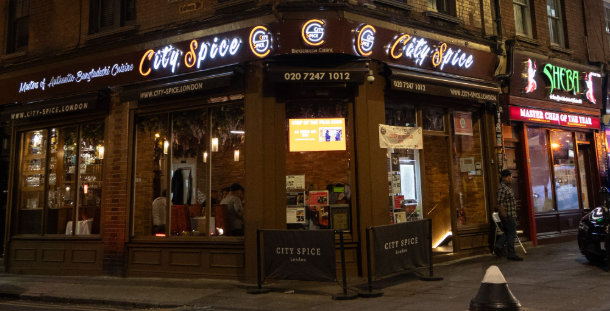
The best brick lane indian restaurants for a memorable evening are the ones that match your occasion: a kitchen that cooks spices fresh, handles dietary needs properly, and lets a table share. A great night on Indian Brick Lane comes less from picking a famous name than from knowing what to ask and how to order.
What makes a Brick Lane meal memorable rather than just filling?
We have run a family restaurant on this street long enough to see the difference between a meal people forget by the next morning and one they talk about for years. It is rarely the size of the portion.
Memorable meals tend to share three things. The food tastes of something specific (mustard, smoke, fresh curry leaf) rather than a general warmth. The table eats together, passing dishes, rather than each person guarding a plate. And somebody at the restaurant took a moment to steer the order.
That last point matters more than people expect. Most brick lane restaurants have long menus. A good server can turn forty options into the right five.
How do you match the restaurant to the occasion?
Different evenings need different things from a kitchen. Here is how we would think it through.
| Occasion | What to look for | What to ask |
|---|---|---|
| Birthday or celebration | Space for a group, sharing platters | Can dishes come out in waves rather than all at once? |
| Date night | Quieter seating, a menu with lighter dishes | Which dishes suit two people sharing? |
| Mixed group with vegans | A properly separate vegan menu | How are vegan dishes kept apart in the kitchen? |
| First-time visitors to London | A mix of classics and regional dishes | What does the chef cook at home? |
| Before a night out in Shoreditch | Quick, lighter plates, tandoor dishes | What can come out fastest? |
How should a group order at a Brick Lane curry house?
The most common mistake we see is a table of six ordering six separate main courses, six rices and six naans. Everyone ends up with a full plate of one thing and too much bread.
A better pattern for a brick lane curry house meal, scaled for four people:
- Start with two snacks to share, one fried (onion bhaji, a pakora) and one from the tandoor. Fried and charred textures wake the palate up.
- Choose three or four mains with contrast. One dry dish, one rich sauced dish, one dhal, one vegetable. Heat levels should vary too.
- Order rice for the table, not per person. Two portions of plain rice usually serve four, plus one bread to tear.
- Add something cooling. Raita or a simple salad of onion, cucumber and lime cuts through richness.
- Leave room to reorder. It is easier to add one dish than to waste three.
This mirrors how Bengali families eat at home: rice in the middle, several small dishes around it, everyone reaching in.
What should diners with dietary needs know?
Brick Lane is easier for plant-based diners than many people assume, because Bengali cooking has deep vegetable and lentil traditions. The question is whether a restaurant treats vegan food as an afterthought or a menu in its own right.
At City Spice, Chef Niaz worked with Michelin-inspired chef Rupert Rowley to create a dedicated vegan curry menu. It includes Chowle Achar, an aubergine dhal, Shobji Kufta Bhujon and the thali-style Shahi Sahakari platter. We built it from scratch, rather than removing cream from existing dishes, because Bengali vegetable cooking has its own logic. Richness comes from onions browned slowly for twenty minutes or more, from mustard oil heated until it stops smelling raw, and from tempering whole spices so their oils carry flavour through the dish.
For allergies, always speak to the team before ordering. Nuts, dairy and gluten turn up in places diners do not expect: ground almonds in some sauces, ghee in breads, asafoetida powders that are often cut with wheat flour.
When is the best time to visit Indian Brick Lane?
Timing changes the experience.
Weekday evenings are calmer, with time to talk to staff and try something new. Sunday brings the Brick Lane and Spitalfields markets, so the street fills from late morning and a curry after browsing the stalls is a local habit. Friday and Saturday nights are the liveliest, and groups are wise to plan ahead.
Visitors staying near Liverpool Street or Shoreditch who search indian restaurant near me will often find Brick Lane is a ten-minute walk away, which makes it easy to fold into an evening in East London.
How is City Spice approaching this?
We try to cook the food people come to Brick Lane for while showing a little more of where it comes from. Chef Niaz cooks with a Bengali twist. The tandoor handles vegetables as well as meat, so paneer, cauliflower and peppers come out charred at the edges and juicy inside, something a home grill cannot match because it simply does not get hot enough.
We also think a restaurant on this street carries some responsibility for its reputation. Diners deserve kitchens that build each masala properly, servers who give honest advice, and menus that reflect how London eats today.
Frequently Asked Questions
How do I choose between Brick Lane Indian restaurants?
Look at the vegetable and regional sections of the menu, notice whether spices smell freshly tempered, and ask staff what the chef cooks at home. Avoid choosing purely on pavement offers.
Is Brick Lane good for large groups?
Yes, many restaurants on the street are set up for groups and sharing. Ask whether dishes can be served in stages and whether a platter or thali-style option is available.
Can vegans eat well on Brick Lane?
Very well, as Bengali cooking relies heavily on vegetables and lentils. City Spice offers a dedicated vegan curry menu created by Chef Niaz with chef Rupert Rowley.
What is the nearest station to Brick Lane?
Aldgate East is closest to the southern end, Shoreditch High Street is near the northern end, and Liverpool Street is a short walk away.