


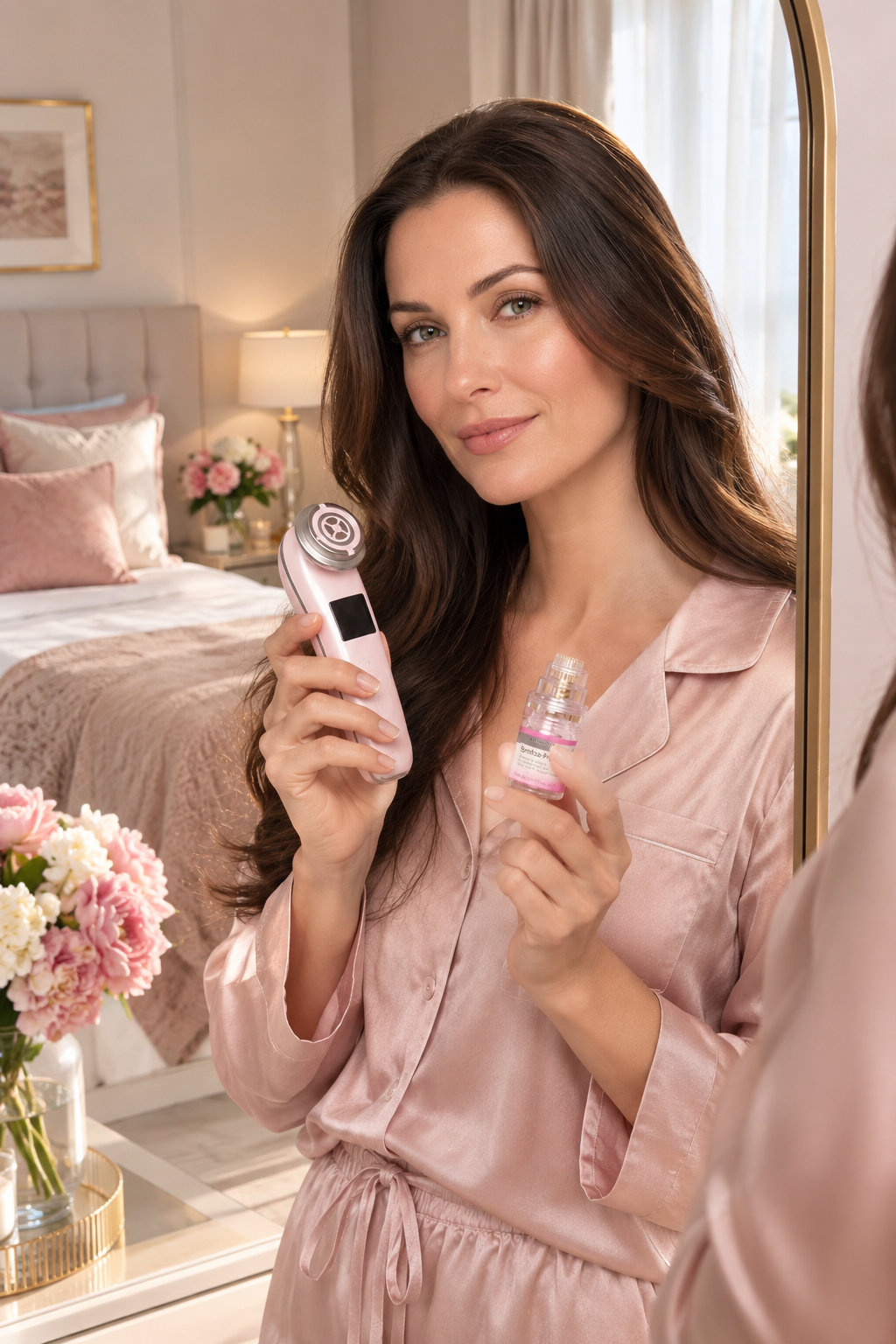
Taking care of your skin at home can be a practical way to make self-care part of everyday life. You do not need a complicated collection of products or a lengthy routine to give your skin regular attention. Understanding your skin’s needs, choosing suitable products, and following a consistent schedule can help you maintain a comfortable, healthy-looking complexion.
At-home beauty technology has also created new options for people who want to explore treatments beyond basic cleansing and moisturizing. The lumo-microinfuser duo, for example, combines a radiofrequency handset with a separate micro-infusion system. These devices are designed for cosmetic use, and anyone considering them should review the manufacturer’s instructions, safety information, and usage recommendations before starting.
Why a Consistent Home Skin Care Routine Matters
Your skin is exposed to sunlight, changing temperatures, dry air, pollution, makeup, and other environmental factors every day. A regular skin care routine can help remove buildup, maintain hydration, and support the skin’s natural protective barrier.
Consistency is often more useful than complexity. Frequently switching products or adding too many active ingredients at once can make it difficult to understand how your skin responds. A simpler routine gives you an opportunity to identify what works for you and make thoughtful adjustments over time.
Begin With the Essentials
Most basic routines can be built around four steps:
- Cleansing: Use a gentle cleanser to remove dirt, sweat, makeup, and sunscreen.
- Moisturizing: Apply a moisturizer appropriate for your skin type.
- Sun protection: Use broad-spectrum sunscreen during the day, following its label directions.
- Targeted care: Consider adding a serum or cosmetic treatment if it addresses a specific concern.
These fundamentals provide a useful starting point before introducing more specialized products or devices.
Understand Your Skin Before Choosing Products
Skin care is not one-size-fits-all. Skin type, climate, age, sensitivity, and personal preferences can influence which products feel comfortable and fit into a routine.
Caring for Dry Skin
Dry skin may feel tight, rough, or flaky, particularly after cleansing. A gentle cleanser and a moisturizer that helps retain hydration may improve comfort. Avoid excessively hot water and aggressive scrubbing, which can contribute to dryness or irritation.
Caring for Oily or Combination Skin
Oily skin still needs moisture. Skipping moisturizer entirely may leave some people with uncomfortable or dehydrated skin. Lightweight, non-comedogenic products may be worth considering, while combination skin may benefit from using different amounts of moisturizer in different areas.
Caring for Sensitive Skin
If your skin is sensitive, introduce new products gradually. Fragrance-free formulas and a simple routine may make it easier to identify potential irritants. Discontinue a product if it causes persistent discomfort, and seek professional advice if you have a skin condition or recurring irritation.
Where At-Home Beauty Devices Fit Into Skin Care
Beauty devices can be optional additions to a home routine, but they should not replace everyday essentials such as cleansing, moisturizing, and sun protection. Before choosing a device, learn what technology it uses, what it is designed for, and whether it is appropriate for your skin and circumstances.
Even Skyn offers at-home cosmetic devices that use different technologies. Its Lumo+ handset incorporates radiofrequency, EMS, and LED features, while its MicroInfuser is a separate micro-infusion system. The two devices have different functions and instructions for use.
Understanding the Lumo+ and MicroInfuser Duo
The Lumo+ uses bipolar radiofrequency alongside EMS and red and blue LED features. The MicroInfuser uses a fixed-depth treatment head with a serum ampoule as part of its micro-infusion process. The manufacturer describes a particular sequence and spacing between treatments, so users should follow the current product manual rather than creating their own schedule.
It is also important to understand what these devices are not. The manufacturer states that the duo is not equivalent to clinical radiofrequency microneedling. At-home cosmetic devices should not be assumed to provide the same procedures, results, or level of professional oversight as treatments performed in a clinical setting.
Creating a Practical Home Skin Care Schedule
A routine is easier to maintain when it fits your lifestyle. Instead of adding several steps at once, establish a manageable schedule and adjust it according to your skin’s response.
Morning Routine
Start with a gentle cleanse if needed. Apply moisturizer and broad-spectrum sunscreen. If you already use a targeted serum that suits your skin, include it according to the product’s directions.
Evening Routine
Remove makeup and sunscreen, cleanse gently, and moisturize. If you use an at-home device, choose a suitable time based on its instructions and allow enough time for preparation and aftercare.
Treatment and Recovery Days
Device-based treatments may require special preparation, hygiene, and recovery periods. For example, the MicroInfuser instructions call for clean, dry skin and clean hands, and specify areas that should be avoided, including active breakouts, open wounds, inflamed skin, raised scars, and the eyelids. Its treatment heads and ampoules are designed for single-session use and should not be reused.
Do not use a device more frequently than recommended in an attempt to accelerate results. Overuse may irritate the skin. If you are uncertain whether a treatment is appropriate for you, consult a qualified health professional.
Sun Protection Should Remain a Priority
Sun protection is an essential part of a balanced skin care routine. Ultraviolet exposure can contribute to sunburn and visible changes in skin over time. Daily use of a broad-spectrum sunscreen, according to its label, can help protect exposed skin.
You can complement sunscreen with practical habits such as seeking shade, wearing protective clothing, and limiting prolonged exposure to direct sunlight.
After using a cosmetic treatment, follow its specific aftercare guidance. Some treatments may require temporary adjustments to sun exposure or the use of certain skin care ingredients.
Common Home Skin Care Mistakes to Avoid
Even well-intentioned routines can become uncomfortable when they involve too many products or treatments. Keep these common mistakes in mind:
- Introducing multiple new products at once: It becomes harder to identify what may be causing irritation.
- Over-exfoliating: Frequent or harsh exfoliation can leave skin feeling sore or sensitive.
- Skipping moisturizer: Many skin types benefit from hydration, including oily skin.
- Ignoring product instructions: Active ingredients and devices may have specific precautions and usage limits.
- Expecting immediate results: Cosmetic changes vary from person to person and may take time.
- Treating irritated or damaged skin: Avoid using devices on unsuitable areas and follow all safety guidance.
A measured approach helps you understand your skin’s response and make changes more responsibly.
Making Skin Care an Enjoyable Self-Care Habit
Skin care does not have to feel like another demanding task. A few quiet minutes in the morning or evening can become a simple ritual that encourages you to slow down and pay attention to your needs.
Keep products organized and store them according to their labels. Check expiration dates, replace products when appropriate, and maintain any beauty devices as directed. If your routine includes single-use components, keep them sealed until needed and dispose of them according to the manufacturer’s instructions.
Choosing Skin Care Products and Devices Thoughtfully
Modern beauty products offer many options, but a higher price or more advanced technology does not automatically make a product right for everyone. Before buying something new, consider your skin type, your main concern, the time required, and whether the product fits comfortably into your routine.
If you are interested in a device such as the Lumo+ and MicroInfuser duo, read the instructions and contraindications carefully. Make sure you understand the intended use, treatment schedule, hygiene requirements, and aftercare. Stop using a product or device if you experience an unexpected reaction, and seek professional guidance when appropriate.
Conclusion: Build a Routine That Works for You
An effective home skin care routine does not need to be complicated. Begin with gentle cleansing, moisturizing, and daily sun protection. Once these habits are established, you can consider whether targeted products or at-home cosmetic devices suit your needs.
Technologies such as radiofrequency and micro-infusion provide additional options for people interested in device-based beauty routines, but they require careful use and realistic expectations. They should be viewed as optional additions rather than replacements for basic skin care or professional advice.
Ultimately, the most sustainable routine is one that is informed, comfortable, and consistent. By paying attention to your skin, following product directions, and making gradual changes, you can create a home skin care practice that supports your everyday self-care goals.
READ ALSO: Best Plastic Surgery Turkey: Selecting The Proper Treatment For Your Purpose


