


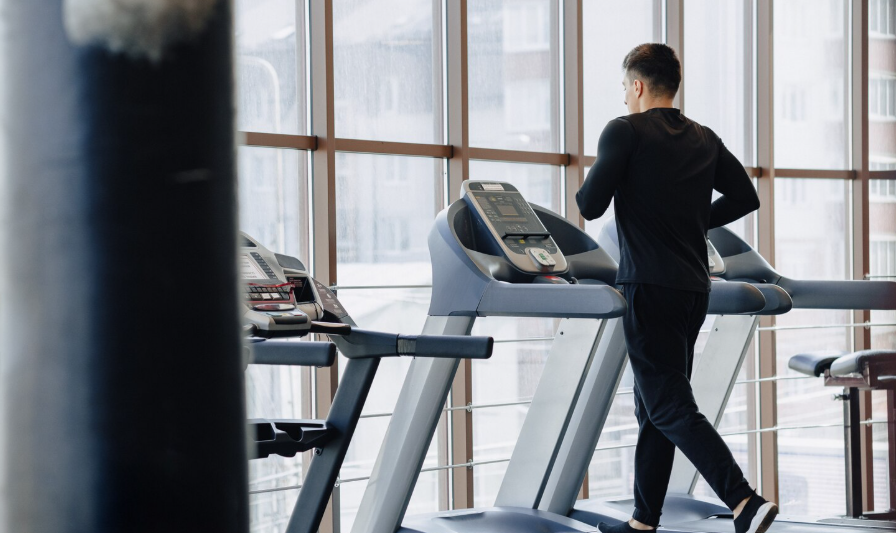
If you want to walk while you work, watch TV, or just move more during the day, get a walking pad treadmill. If you want to run, sprint, or train hard, get a traditional treadmill. These two machines solve different problems. Buying the wrong one is why so many “fitness investments” turn into expensive coat racks by March.
I’m going to walk you through the real numbers on calories and how much space each one needs.
What’s the Real Difference Between These Two Machines?
Let’s clear up the confusion first. A walking pad is not a small treadmill. It’s built for something completely different.
Speed and Purpose
Traditional treadmills go from 0 to 12+ mph. They’re made for sprints, hill training, and marathon prep.
Walking pads are made to sit under a desk while you walk slowly, usually between 1 and 4 mph, so you can move while you work. That’s the whole point. Slow, quiet, and out of the way.
Space You’ll Need
A traditional treadmill takes over a room. Even folding models need room for the motor and console. A walking pad slides under your bed or couch when you’re done. Simple as that.
What You’ll Pay
Most walking pads cost between $150 and $400, and this price range covers most of what people actually buy. Traditional gym quality treadmills often start right around where walking pads stop.
Is a Walking Pad Actually Worth Buying?
I’ve used both types for months. Here’s my honest breakdown, so you can decide fast.
Get a walking pad if:
- You work from home and sit more than 6 hours a day
- Your space is small
- Your goal is simply to move more, not train harder
- You want quiet, low-impact movement
- You want to walk while doing something else, like calls or emails
Get a traditional treadmill if:
- You want to run, not just walk
- You need incline training for hiking or races
- You do structured workouts like intervals
- You have the space for it
Skip both if:
- You already walk outside every day with no problems
- Your budget won’t stretch past a cheap, low quality option
The Calorie Numbers Nobody Explains Clearly
Here’s where it gets interesting. A well known review pulled together 13 separate studies and found something solid.
A 2021 BMC Public Health systematic review of 13 studies and 351 participants found walking pad use increases energy expenditure by 105.23 kcal per hour over sitting.
That’s real, but it’s not a workout. And here’s the part most people skip past. Walking pads do measurably increase energy expenditure and reduce sitting time in workplace trials, but the clinical health markers people most want to move, like blood pressure, glucose, and body fat, have been stubborn.
A pad changes your day. It doesn’t rewrite your bloodwork. I’ve seen people expect a walking pad to replace their gym routine entirely, and it never works out that way. It’s just not built for that job.
Comparison Table
| Feature | Walking Pad | Traditional Treadmill |
| Speed Range | 1 to 4 mph | 0 to 12+ mph |
| Best For | Desk work, light movement | Running, hard cardio |
| Weight | 40 to 60 lbs | 100 to 300+ lbs |
| Starting Price | $150 to $400 | $500 to $1,500+ |
| Space Needed | Slides under desk or bed | Dedicated floor space |
| Noise | Low at slow speeds | Louder during runs |
| Incline | Rare | Common |
Quick Answers to Common Questions
1. Does a walking pad help with weight loss?
It can support it, but it works better paired with good eating habits than on its own. It doesn’t replace strength training if building muscle matters to you, it doesn’t replace harder cardio if endurance is your goal, and it definitely doesn’t cancel out nutrition habits.
2. What speed should I walk at while working?
The general guidance for proper treadmill desk usage is to walk at speeds between 1.0 and 2.5 mph, since this speed supports higher productivity without impacting typing proficiency.
3. Can a walking pad replace a gym membership?
No. Strolling on a walking pad won’t make you drop 10 pounds in a week or get you ready for a marathon, but it’s still far better than sitting in your chair for hours on end.
The Bottom Line
Neither machine wins outright. They’re built for different jobs, and pretending otherwise just leads to disappointment.
If your real problem is too much sitting, get the pad. If your problem is not training hard enough, get the treadmill.
Some people, myself included, end up owning both because the goals genuinely don’t overlap. Figure out which problem you’re solving before you buy, and you’ll skip the regret entirely.


