

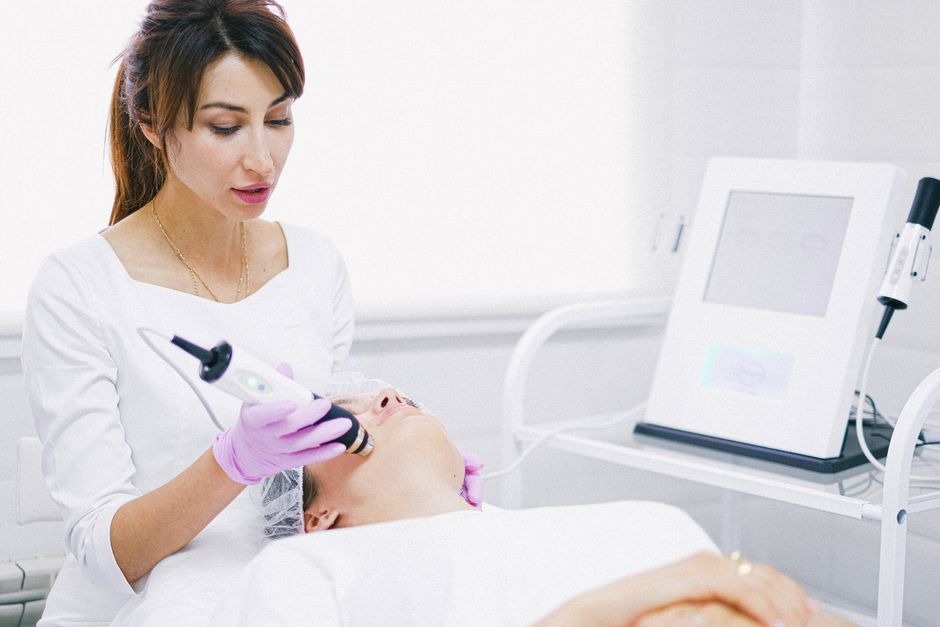
Achieving smoother, firmer skin often involves more than following a skincare routine. While topical products can help address certain concerns, acne scars, uneven texture, and early signs of skin laxity may require professional treatments. RF microneedling is one option gaining attention, but understanding its benefits, limitations, recovery time, and potential risks is essential before deciding whether it suits your needs.
How RF Microneedling Works Beneath the Surface
RF microneedling combines tiny needles with radiofrequency energy. The needles enter the skin at controlled depths, while the energy creates heat in targeted tissue. Together, these effects are intended to trigger a healing response and encourage collagen remodeling. Improvements develop gradually rather than immediately.
If you’re looking for an expert opinion regarding RF microneedling Rancho Santa Margarita has several options to explore. Before choosing a provider, ask about their experience, the technology they use, potential risks, and the results you can realistically expect. A thorough consultation can help you understand whether the treatment suits your skin concerns and goals.
The treatment is often considered for acne scars, uneven texture, fine lines, enlarged pores, and mild skin laxity. However, outcomes depend on the device, treatment settings, provider expertise, and individual healing response. Severe sagging, deep folds, or substantial volume loss may require a different approach. RF microneedling is not a substitute for every laser, injectable, or surgical procedure.
Which Concerns May Respond Best?
People with mild to moderate textural changes are often more realistic candidates than those expecting dramatic lifting. Depressed acne scars, rough patches, and early signs of laxity may improve after a series of treatments. Some providers also treat the neck or stretch marks, though results vary.
Identify your main concern before paying for a session. If discoloration or visible blood vessels are the primary issue, another treatment may be more suitable. If you are hoping to restore lost facial volume, a collagen-focused procedure may not address the underlying cause. A qualified clinician should explain why the proposed treatment fits your skin rather than promising that it can fix everything.
Why the Provider and Settings Matter
RF microneedling is a medical procedure, not simply an upgraded facial. Needle depth, energy level, number of passes, and treatment pattern affect how tissue responds. Skin thickness, scar type, pigmentation history, and the area being treated should influence the plan. Higher settings are not automatically better; overly aggressive treatment can increase the chance of injury without guaranteeing a stronger result.
Before booking, ask about the provider’s training and experience with the specific device. Confirm that sterile, single-use needle cartridges are used as required and that you will receive written pre- and post-treatment instructions. Know whom to contact if symptoms seem unusual afterward.
For a useful overview of microneedling benefits, limits, and safety, read the American Academy of Dermatology’s guide to microneedling. It can help you prepare questions, though RF microneedling has additional risks.
What the Appointment and Recovery May Involve
A session often begins with topical numbing cream, which needs time to work. During treatment, you may feel pressure, prickling, or heat, and some areas can be more sensitive than others. Timing depends on the treatment area and plan.
Afterward, skin may be red, warm, swollen, tender, or slightly rough. Small pinpoint marks or crusting can occur, and recovery varies from person to person. Follow the provider’s instructions about cleansing, moisturizers, makeup, active skincare ingredients, exercise, and sun exposure. Do not assume that minimal downtime means no aftercare is needed. Schedule it well before important events.
Understand the Risks Before Deciding
Temporary redness, swelling, discomfort, bruising, and pigment changes are possible. Infection, scarring, prolonged healing, or uneven results can also occur. In October 2025, the U.S. Food and Drug Administration warned that serious complications reported with certain uses of RF microneedling included burns, scarring, fat loss, disfigurement, and nerve damage. This makes provider experience and frank risk discussions essential.
Tell the clinician about active skin infections, a history of keloid scars, pigment conditions such as melasma, immune-related conditions, medications, recent tanning, and any tendency to heal poorly. These factors may affect whether treatment is appropriate or when it should be performed. Do not use professional RF microneedling devices at home. If you experience severe or worsening symptoms after treatment, seek medical advice promptly.
The FDA’s consumer guidance on microneedling devices explains common side effects, device considerations, and questions to ask a provider. Use it alongside a consultation.
How Many Sessions Are Needed?
One appointment may produce a subtle change, but improvements in scars or skin texture often require multiple sessions. Providers commonly space treatments several weeks apart, then assess progress before recommending more. The schedule depends on your concern, device, response, downtime, and budget.
Collagen remodeling takes time, so results may continue developing for weeks or months. Maintenance should not be assumed. Ask for an estimate of the full course, including follow-up visits and aftercare, rather than judging affordability by the price of one session.
Decide on Value, Not Hype
The treatment may be worthwhile when your goals match its likely benefits, and you understand its limitations. Compare options, ask what improvement is realistic for your skin, and request examples of results from patients with similar concerns. Photographs help, but lighting and angles can mislead.
A trustworthy provider will welcome questions, explain alternatives, and give you time to decide. Be cautious of guaranteed results, rushed consultations, or claims that the procedure is risk-free. The smartest choice is not necessarily the newest treatment or the most expensive package. It is the option that fits your skin, health history, budget, and expectations—with safety taking priority over trends.
Ask whether the expected improvement is modest or noticeable, how your skin type affects planning, and what alternatives offer similar benefits. Clear answers should leave you informed, comfortable, and free to decline before you agree to any procedure.