

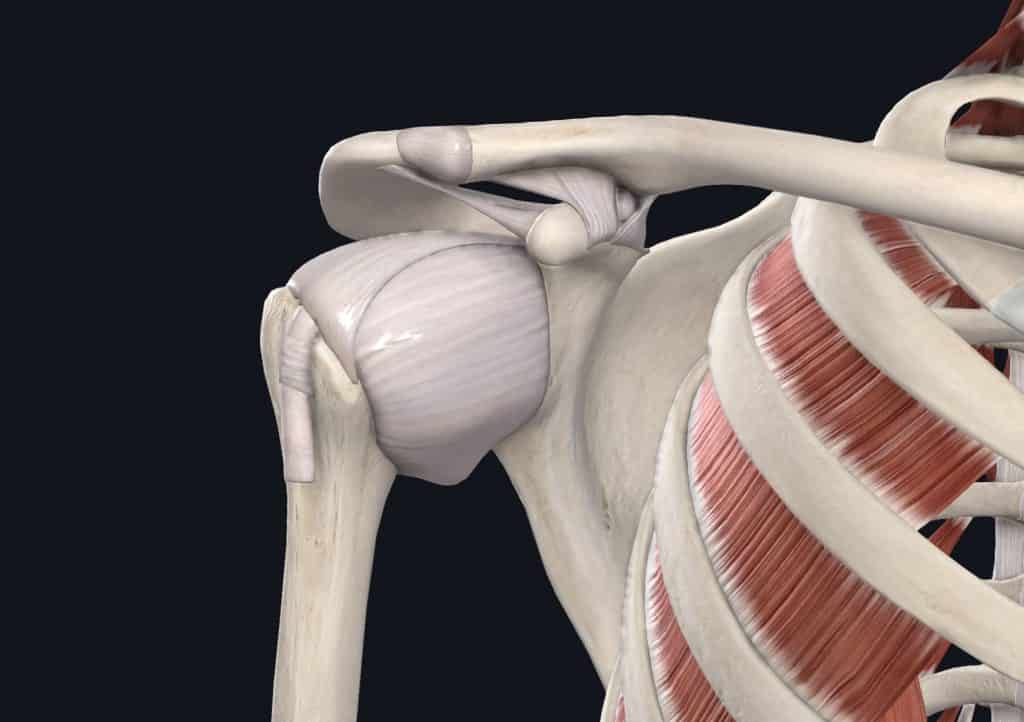
A shoulder dislocation can be a painful and unsettling experience, but the concern does not always end when the joint returns to its normal position. Some people continue to experience weakness, instability, or a feeling that the shoulder could slip out again during everyday activities. Repeated dislocations can affect confidence, limit movement, and make returning to exercise more difficult.
The shoulder is designed to move in many directions, which makes it particularly useful for reaching, lifting, throwing, and performing overhead activities. However, this flexibility also means that the joint relies on surrounding muscles, ligaments, tendons, and cartilage to maintain stability.
Understanding why a shoulder dislocates repeatedly can help identify the factors that need attention. With appropriate assessment and rehabilitation, many people can improve shoulder strength, movement control, and confidence in using the affected arm.
If you need shoulder pain physiotherapy, a personalised rehabilitation plan can help address the factors affecting your shoulder function and guide your return to normal activity.
Why Does a Shoulder Dislocate More Than Once?
A shoulder dislocation occurs when the ball at the top of the upper arm bone moves out of the socket. When this happens, the surrounding tissues may stretch or become damaged, reducing the joint’s ability to remain stable.
The risk of another dislocation depends on several factors, including the original injury, the person’s age, activity level, joint flexibility, and recovery process.
1. Damage to the Supporting Tissues
The first dislocation can damage structures that normally help hold the shoulder in place. These may include the labrum, joint capsule, and ligaments.
The labrum is a ring of cartilage surrounding the shoulder socket. It helps deepen the socket and provides additional support for the joint. If it becomes damaged during a dislocation, the shoulder may be more vulnerable to further instability.
The extent of the injury varies between individuals. Some people recover with appropriate rehabilitation, while others may need further medical investigation if significant structural damage is suspected.
2. Weakness in the Rotator Cuff Muscles
The rotator cuff consists of muscles and tendons that help control the upper arm during movement. These structures contribute to dynamic shoulder stability, particularly when reaching, lifting, or rotating the arm.
After a dislocation, pain and reduced activity can lead to weakness. If these muscles do not regain sufficient strength and coordination, the shoulder may struggle to remain controlled during demanding movements.
Targeted strengthening can help restore the muscles’ ability to support the joint. Exercises should progress gradually according to the injury, symptoms, and stage of recovery.
3. Loose Ligaments and Joint Hypermobility
Some people naturally have greater joint flexibility than others. This is not necessarily a problem, but excessive looseness around the shoulder can make stability more challenging.
Ligaments may also become stretched following an injury or repeated dislocations. When these passive supporting structures provide less restraint, the muscles must work effectively to control the joint.
In these situations, rehabilitation often focuses on strength, coordination, and controlled movement rather than simply increasing flexibility.
4. Returning to Exercise Too Early
A reduction in pain does not automatically mean that the shoulder has fully recovered.
Someone may feel comfortable performing everyday movements but still lack the strength and control needed for heavy lifting, contact sports, throwing, or repetitive overhead activities.
Returning to these activities too quickly can expose the shoulder to demands it is not prepared to handle. A gradual return based on movement, strength, stability, and functional ability is generally more appropriate than relying on pain alone.
5. Repeated Shoulder Injuries
Each additional dislocation can place further stress on the tissues surrounding the joint. Repeated episodes may contribute to further damage and make the shoulder increasingly difficult to stabilise.
If your shoulder has dislocated more than once, it is worth investigating why the problem continues rather than treating every episode as an isolated injury.
For a more detailed explanation of the underlying causes and available treatment approaches, read this guide to recurrent shoulder dislocation causes and treatment.
What Are the Warning Signs of Shoulder Instability?
A shoulder does not always need to come completely out of its socket for instability to be present. Some people experience partial displacement, while others notice that the joint feels unreliable during specific movements.
Common symptoms include:
- A sensation that the shoulder is slipping or moving out of place
- Repeated complete or partial dislocations
- Weakness when lifting or reaching
- Pain during certain arm movements
- Apprehension when placing the arm overhead or behind the body
- Difficulty returning to sports or gym training
- Reduced confidence when using the affected arm
Symptoms vary depending on the injury. Some people experience significant pain, while others mainly notice instability or fear that another dislocation could happen.
If these symptoms persist or recur, a professional assessment can help determine whether the problem relates to muscle weakness, structural damage, joint laxity, or another shoulder condition.
How Can You Improve Shoulder Joint Stability?
Improving stability involves helping the shoulder move with better control while gradually rebuilding its ability to tolerate everyday demands.
The right rehabilitation plan depends on the injury and the person’s functional goals. However, several areas commonly form part of a structured recovery programme.
Restore Appropriate Shoulder Movement
After a dislocation, the shoulder may become stiff because of pain, swelling, reduced use, or a period of immobilisation.
Restoring comfortable movement is important, but forcing the arm into uncomfortable or unstable positions is not advisable. The goal is to regain useful movement while maintaining control of the joint.
A physiotherapist can help determine which movements are appropriate and how to progress them as recovery improves.
Strengthen the Rotator Cuff
Targeted rotator cuff exercises can help improve the muscles’ ability to control the upper arm during movement.
Depending on the individual’s condition, rehabilitation may begin with light resistance and controlled rotation exercises. As strength improves, the programme can gradually introduce more demanding movements.
Correct technique and appropriate progression matter more than simply increasing resistance as quickly as possible.
Improve Shoulder Blade Control
The shoulder blade provides a foundation for arm movement. The muscles around it help position and control the shoulder during reaching, lifting, and overhead activities.
Weakness or poor coordination in these muscles can affect overall shoulder mechanics. For this reason, rehabilitation may include shoulder blade strengthening alongside rotator cuff exercises.
Develop Coordination and Joint Awareness
The shoulder needs to respond to changes in position, direction, and resistance. After an injury, some people experience reduced confidence or control when moving the arm.
Rehabilitation may gradually introduce exercises that challenge coordination and joint awareness. As control improves, these activities can become more demanding and more closely resemble everyday tasks or sporting movements.
Can Physiotherapy Help Prevent Another Dislocation?
Physiotherapy can address several factors that contribute to shoulder instability, particularly weakness, reduced movement control, and difficulty returning to normal activities.
A rehabilitation programme usually starts with an assessment of the injury, symptoms, movement, strength, and functional limitations. Treatment can then be tailored to the individual’s needs.
Depending on the findings, treatment may involve exercise therapy, mobility work, movement retraining, and guidance on modifying activities during recovery.
Physiotherapy cannot repair every type of structural damage, and it cannot guarantee that another dislocation will never occur. However, improving strength and control can be an important part of managing instability and preparing the shoulder for physical demands.
What Activities Should You Modify During Recovery?
You do not necessarily need to avoid all shoulder movement after a dislocation. However, certain activities may need to be modified while the joint recovers.
Heavy lifting, sudden pulling movements, aggressive stretching, and demanding overhead exercises may be unsuitable during particular stages of rehabilitation. Contact sports may also require additional preparation before returning.
The appropriate restrictions depend on the type of injury and whether associated structures have been damaged.
Instead of repeatedly testing movements that make the shoulder feel unstable, seek guidance on how to reintroduce them safely. Gradually increasing activity can help build strength without placing unnecessary stress on the recovering joint.
When Is Further Medical Assessment Necessary?
Physiotherapy may be sufficient for some people, but repeated instability can sometimes indicate structural damage that needs further investigation.
Seek prompt medical assessment after a suspected new dislocation. Do not attempt to force the shoulder back into place yourself. If you experience numbness, significant weakness, changes in hand colour or temperature, or severe pain, seek urgent medical care.
Further specialist assessment may also be appropriate when dislocations continue despite rehabilitation or when the shoulder repeatedly slips out during relatively minor activities.
In selected cases, surgery may be considered to address significant damage to the structures responsible for stability. The decision depends on the injury, examination findings, previous treatment, and the person’s activity requirements.
How Long Does It Take to Improve Shoulder Stability?
There is no single recovery timeline for recurrent shoulder instability. Progress depends on the extent of the injury, the number of previous dislocations, associated tissue damage, and the activities the person wants to resume.
Returning to ordinary daily activities may require a different level of recovery from returning to competitive sport or heavy weightlifting.
Rather than measuring progress by time alone, it is useful to consider whether shoulder movement, strength, control, and confidence are improving. Rehabilitation should progress as the shoulder becomes better able to tolerate increasing demands.
Maintaining appropriate strengthening after symptoms improve can also help support long-term function.
Final Thoughts
A shoulder that repeatedly dislocates may be affected by previous tissue damage, rotator cuff weakness, loose ligaments, poor movement control, or a combination of factors. Identifying the cause is an important step towards choosing the right treatment approach.
A structured rehabilitation programme can help restore appropriate movement, strengthen supporting muscles, improve coordination, and prepare the shoulder for everyday activities. Some people may also require further medical assessment if significant structural damage or ongoing instability is present.
For information about shoulder rehabilitation and available treatment options, visit CC Physiotherapy. A personalised approach can help you understand the factors affecting your shoulder and determine the next appropriate step towards better stability and function.