

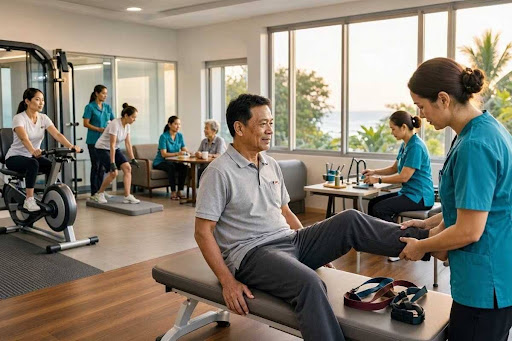
A Rehabilitation Centre Penang provides professional support to individuals recovering from addiction, mental health challenges, injuries, or surgery. These centres offer treatment programmes designed to improve physical health, emotional well-being, and daily functioning. Depending on the facility, services may include medical care, counselling, physiotherapy, pain management, and recovery support.
Choosing the right rehabilitation centre is essential for achieving meaningful progress. Professional guidance helps patients receive suitable treatment in a supportive environment. Whether someone needs addiction treatment or physical rehabilitation, the right programme can help them develop healthier habits, regain independence, and improve their quality of life.
What Services Are Provided?
1. Addiction Recovery Programmes
Addiction recovery programmes help individuals overcome dependence on alcohol, drugs, or certain prescription medications. Treatment may combine medical assessments, counselling, behavioural therapy, and recovery education. These services help patients understand their addiction and develop healthier ways to manage cravings, stress, and emotional challenges.
Depending on individual needs, treatment may involve inpatient or outpatient care. Some patients also require medically supervised detoxification to manage withdrawal safely. Professional support encourages individuals to build positive routines, strengthen coping skills, and work towards lasting recovery.
2. Mental Health Counselling
A Rehabilitation Centre Penang may provide mental health counselling for individuals experiencing anxiety, depression, stress, trauma, and other emotional difficulties. Trained professionals offer a confidential environment where patients can discuss their concerns and understand the factors affecting their well-being. Counselling helps individuals recognise negative thought patterns and develop healthier responses to challenging situations.
Depending on the patient’s condition, services may include individual therapy, cognitive behavioural therapy, stress management, or referrals to psychiatric specialists. Mental health counselling can also benefit individuals recovering from addiction. Addressing emotional difficulties alongside other treatment needs may support more stable and sustainable recovery.
3. Medical Care and Monitoring
Medical care and monitoring help patients receive appropriate attention throughout rehabilitation. Depending on the facility, healthcare professionals may conduct health assessments, review medications, monitor vital signs, and evaluate treatment progress. Regular monitoring helps identify complications and determine whether changes to the treatment plan are necessary.
Common services may include:
- Physical examinations and health assessments.
- Medication management and monitoring.
- Regular reviews of recovery progress.
- Coordination with hospitals and medical specialists.
These services are particularly valuable for patients with ongoing health conditions or complex recovery needs. Appropriate medical supervision supports patient safety and helps ensure that treatment remains suitable throughout rehabilitation.
4. Post-Surgical Rehabilitation
Post-surgical rehabilitation helps patients regain strength, flexibility, and mobility after an operation. Individuals recovering from joint replacements, spinal procedures, or other surgeries may experience stiffness, weakness, and difficulty performing everyday activities. Rehabilitation professionals recommend appropriate exercises to support gradual recovery.
Treatment may include physiotherapy, mobility training, flexibility exercises, and guidance on daily activities. The programme depends on the type of surgery and the patient’s medical condition. Following professional recommendations can help restore physical function and support a safer return to normal routines.
5. Pain Management
Pain management services help individuals manage discomfort caused by injuries, surgery, chronic conditions, or musculoskeletal problems. Persistent pain can affect sleep, movement, and emotional well-being. Rehabilitation professionals may combine physical therapy, relaxation techniques, and medical guidance to improve comfort and daily functioning.
Patients may learn posture correction, gentle exercises, safe movement techniques, and activity management. Medication may also be considered under appropriate medical supervision. The primary goal is to reduce the impact of pain, improve mobility, and help patients participate more comfortably in everyday activities.
6. Relapse Prevention Support
Relapse prevention support helps individuals recovering from addiction maintain their progress after completing initial treatment. Stress, emotional difficulties, social pressure, and exposure to familiar triggers can increase the risk of returning to substance use. Rehabilitation professionals help patients recognise these challenges and prepare practical responses.
Relapse prevention strategies may include:
- Identifying personal triggers and warning signs.
- Developing healthy coping mechanisms.
- Establishing positive daily routines.
- Creating a recovery and emergency support plan.
These strategies help patients respond more effectively to difficult situations. Continued support and early intervention can encourage individuals to remain focused on their recovery goals.
7. Family Counselling
A Rehabilitation Centre Penang may offer family counselling to help relatives understand how addiction, mental health difficulties, or illness can affect relationships. Professional sessions provide opportunities to discuss concerns, improve communication, and resolve misunderstandings. Families can also learn how to establish healthy boundaries and provide appropriate emotional support.
With the patient’s consent, relatives may participate in treatment discussions and recovery planning. Counsellors can explain the patient’s needs and recommend practical ways to support progress at home. Stronger family relationships can contribute to a more supportive recovery environment.
8. Group Therapy Sessions
Group therapy brings together individuals experiencing similar challenges in a structured and supportive environment. A Rehab Penang facility may organise these sessions to help participants share experiences, discuss difficulties, and learn practical coping strategies under the guidance of a trained professional. These discussions encourage communication and help patients understand different perspectives.
Group therapy can reduce feelings of isolation and build confidence through shared experiences. Participants may also develop accountability, improve interpersonal skills, and establish supportive social connections. Depending on individual needs, group sessions can complement individual counselling and other rehabilitation treatments to support long-term recovery.
9. Personalised Treatment Planning
Personalised treatment planning ensures that rehabilitation reflects each patient’s condition, goals, and circumstances. Professionals may assess medical history, physical abilities, emotional health, and recovery challenges before recommending suitable interventions. This assessment helps establish realistic goals and identify appropriate services.
A personalised plan may combine counselling, physiotherapy, medical care, and recovery education. Treatment goals are reviewed regularly to monitor progress and make necessary adjustments. This approach recognises that every patient has different needs and may require different levels of professional support.
10. Aftercare and Follow-Up Support
A Rehabilitation Centre Penang may provide aftercare and follow-up support to help patients maintain progress after completing a rehabilitation programme. Returning to everyday life may present challenges, especially for individuals recovering from addiction, managing emotional difficulties, or adapting to physical limitations. Continued guidance helps patients apply their recovery skills in daily situations.
Depending on the centre, aftercare may include:
- Follow-up medical appointments.
- Outpatient counselling sessions.
- Recovery support groups.
- Exercise and lifestyle guidance.
- Referrals to community support services.
Ongoing support encourages continuity of care and helps patients recognise when additional assistance may be necessary. A structured aftercare plan can make the transition to independent living more manageable.
What Makes Lo Physiotherapy Different?
Lo Physiotherapy Centre focuses on helping individuals improve mobility, manage pain, and regain independence through personalised physiotherapy and rehabilitation support. Treatment may be tailored to each patient’s condition, recovery goals, and physical abilities, helping them work towards better movement and everyday functioning.
Patient education, appropriate exercises, and progress monitoring are important parts of rehabilitation. By focusing on individual needs and functional improvement, Lo Physiotherapy aims to support patients throughout their recovery journey. Contact the centre directly to confirm its available services and treatment options.
Conclusion
A Rehabilitation Centre Penang may offer various services to support addiction recovery, mental health, physical healing, and long-term well-being. These services can include counselling, medical monitoring, pain management, post-surgical rehabilitation, and relapse prevention. The specific treatments available depend on the facility and its professional capabilities.
Choosing a suitable centre involves considering individual needs, treatment goals, staff qualifications, and aftercare options. With personalised treatment and appropriate professional guidance, patients can work towards improved health, greater independence, and a better quality of life.