

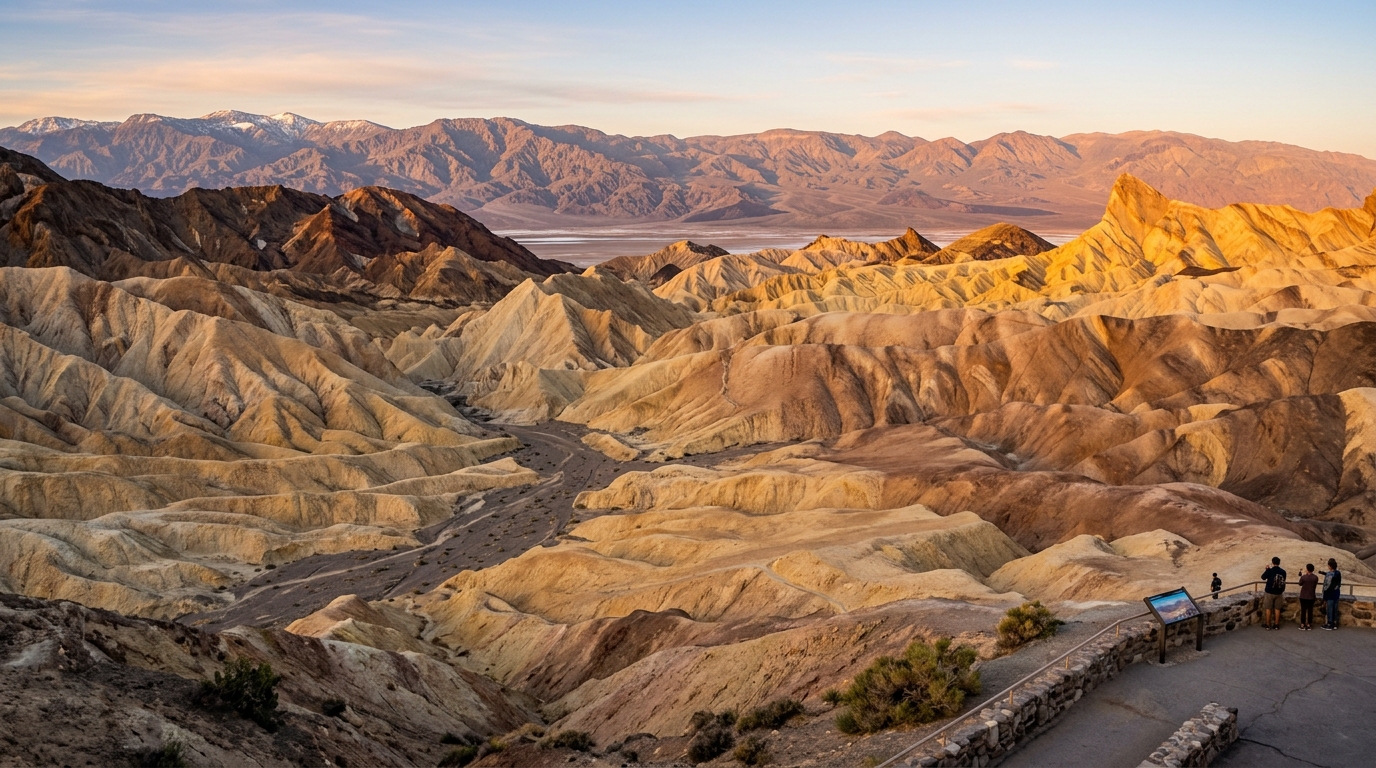
Planning a trip to a massive desert landscape often brings up a big question about time and travel logistics. Many travelers wonder how many days in Death Valley National Park are truly enough to see the sights without feeling rushed. A common misconception is that a park visit requires a strict rule or can be finished in just a couple of hours. In reality, the answer depends on the massive scale of land, driving distances, and personal travel style.
How Many Days Do You Really Need in Death Valley National Park?
For most first-time visitors, spending two to three days in Death Valley National Park provides the right balance to see major highlights without burning out.
Death Valley National Park is not a place you can fully understand or explore in a single afternoon. Because the landscape stretches across thousands of square miles of desert floor, mountain passes, and salt flats, travelers need time just to move between different points of interest. Spending a couple of days allows visitors to watch the sunrise over painted hills, walk across vast white salt flats, and explore towering sand dunes without rushing back to the car every hour.
Why Travel Time and Distance Matter in Death Valley National Park
Driving distances inside Death Valley National Park are unusually long, meaning moving between remote points of interest takes much longer than most people expect.
Death Valley National Park holds the title of the largest national park in the contiguous United States. Visitors often look at a map and assume points like Badwater Basin and Racetrack Playa sit close together. In truth, driving from the southern visitor areas to remote backcountry sectors can take hours of driving on paved and unpaved roads. Cell service is practically nonexistent inside Death Valley National Park, and gas stations are few and far between. Understanding these geographic challenges helps travelers avoid spending their entire vacation behind the steering wheel.
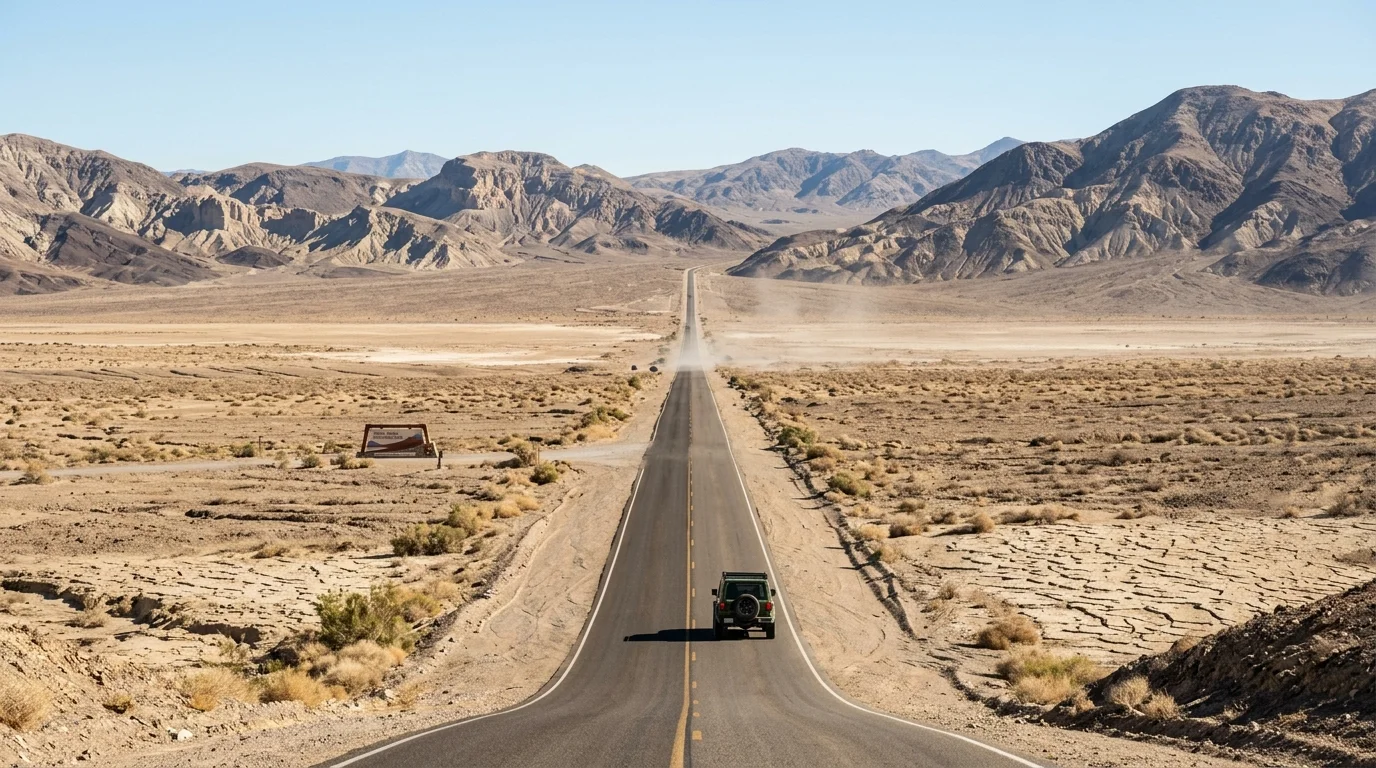
A Simple One-Day Plan for Quick Visitors
Travelers coming from Las Vegas or passing through on a tight schedule can still experience the core highlights of Death Valley National Park in a single day if they stick to a focused route.
A fast one-day visit to Death Valley National Park works best when travelers limit their stops to easily accessible roadside sights. A practical single-day route usually starts early with a sunrise stop at Zabriskie Point, followed by a quick drive down to walk across the lowest point in North America at Badwater Basin. Visitors can then head toward Furnace Creek for a quick meal before finishing the afternoon at the Mesquite Flat Sand Dunes near Stovepipe Wells. While this whirlwind tour leaves out many hidden canyons and remote viewpoints, it gives a solid taste of the desert environment.
The Ideal Two-to-Three Day Itinerary for Most Travelers
A two-to-three-day schedule gives visitors enough breathing room to enjoy the landscape at a comfortable pace and see diverse environments.
With three full days available, travelers can space out their sightseeing and avoid the intense midday heat. The first day works well for exploring the central valley floor, including Badwater Basin, Artists Drive, and Furnace Creek. Day two can focus on elevated viewpoints like Dante’s View and historical sites like the Harmony Borax Works or Beatty. Day three opens up opportunities to explore farther north toward the Ubehebe Crater or spend more time wandering the Mesquite Flat Sand Dunes as the afternoon light shifts across the sand.
Adding More Days for Deep Explorers and Remote Sights
Visitors who want to tackle rugged backcountry roads and serious hiking trails should plan for four or more days in Death Valley National Park.
Remote locations inside Death Valley National Park require specialized vehicles, such as high-clearance trucks with sturdy tires, due to sharp rocks that easily shred standard car tires. Places like Racetrack Playa, where mysterious sailing stones rest on a dry lakebed, require dedicated driving time and careful preparation. Extra days also allow hikers to tackle rugged canyon trails in the backcountry or explore abandoned mining ruins tucked deep away from paved highway routes. For travelers looking to compare southwestern landscapes further, exploring stunning red rock canyons provides another incredible desert journey.
Best Times of Year and Seasonal Safety Tips
Extreme seasonal weather directly affects how many hours per day visitors can safely spend outdoors in Death Valley National Park.

Winter brings mild, pleasant daytime temperatures that make all-day exploring comfortable and safe. Summer brings record-breaking heat waves where temperatures soar past 120 degrees Fahrenheit, making strenuous hiking dangerous during daylight hours. Visitors traveling during warmer months must limit outdoor activity to early morning hours and carry massive amounts of drinking water. Checking official park advisories before departure ensures travelers stay informed about sudden flash floods, road closures, and seasonal weather shifts.
| Trip Length | Best Suited For | Key Highlights Covered |
|---|---|---|
| 1 Day | Day-trippers from Las Vegas | Badwater Basin, Zabriskie Point, Sand Dunes |
| 2 to 3 Days | First-time visitors and families | All major scenic drives, Dante’s View, Craters |
| 4+ Days | Backcountry explorers and hikers | Racetrack Playa, remote canyons, rugged peaks |
Disclaimer: Park conditions, weather patterns, and road access can change unexpectedly. Always check official National Park Service sources for the latest updates before starting your trip.
Can you visit Death Valley National Park as a day trip from Las Vegas?
Yes, visitors can drive from Las Vegas in about two hours to reach the eastern edge of the park, making a fast single-day trip possible.
Is one day enough to see everything in Death Valley National Park?
One day is only enough to see a few major roadside highlights because the vast park size prevents seeing everything quickly.
How many days do most travelers recommend staying?
Most visitors find that spending two to three full days provides a balanced pace to see the primary valleys and viewpoints.
Do I need a special vehicle for exploring Death Valley National Park?
Standard vehicles work fine for paved park roads, but reaching remote dirt roads like Racetrack Playa requires a high-clearance vehicle with tough tires.
When is the best time of year to plan a multi-day trip?
Late autumn through early spring offers the most comfortable daytime temperatures for extended outdoor sightseeing and hiking.
Are there gas stations and cell service inside the park?
Gas options are very limited and expensive inside park boundaries, and reliable cell service is practically nonexistent across most areas.

I’m Muhammad Ubaid, founder of YBR Magazine. I research and write detailed guides on America’s National Parks — covering entry fees, permits, best times to visit, and planning tips — using official NPS sources and up-to-date information.