

Best National Parks for Seeing Wildlife
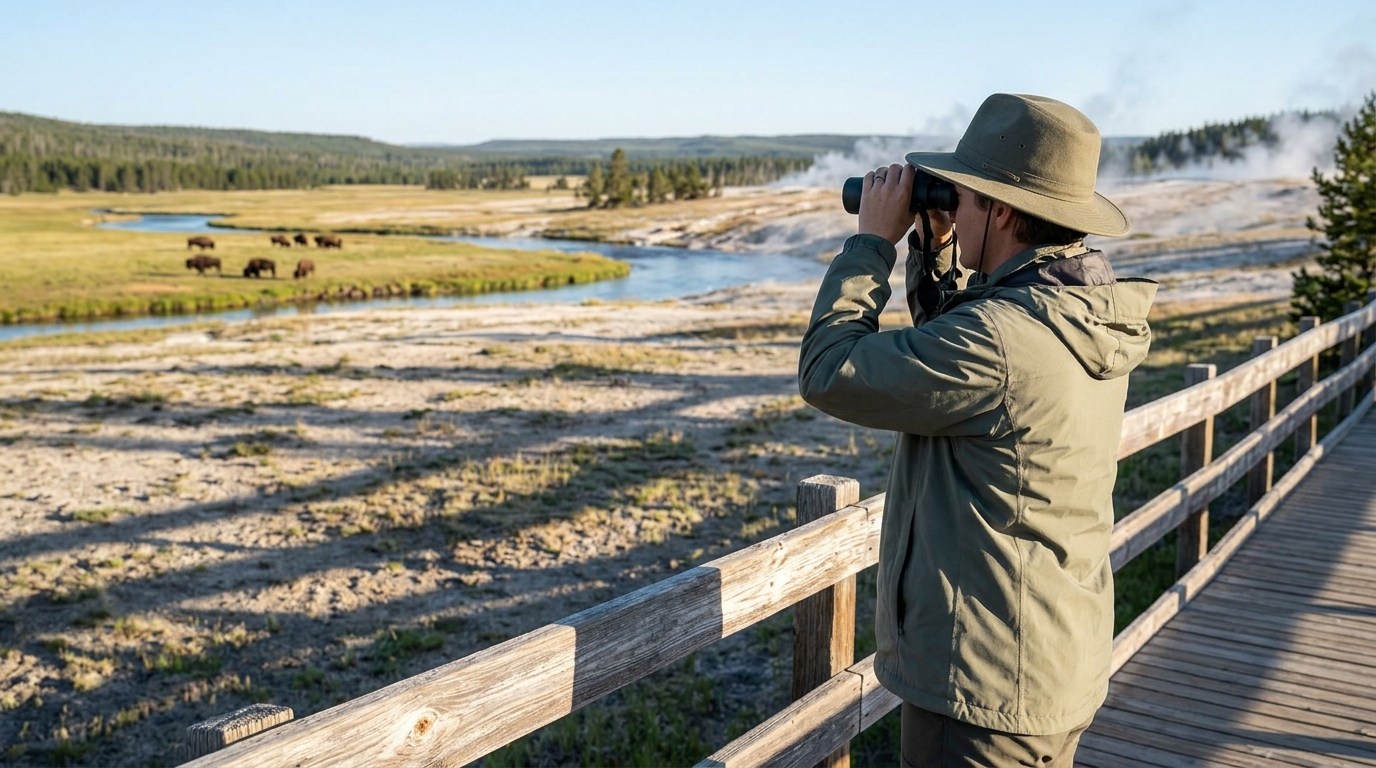
The premier protected reserves for wildlife viewing offer travelers distinct windows into unmanaged natural ecosystems where native species thrive. Observing national park animals requires understanding regional topography, seasonal migration patterns, and local foraging schedules. Visitors hoping to witness large mammal herds should explore Yellowstone National Park, where expansive geothermal valleys support dense populations of bison, pronghorn, and grizzly bears. Glacier National Park and Grand Teton National Park present equally remarkable backdrops for spotting elk, moose, and mountain goats along alpine ridges and forested river bottoms.
| Protected Reserve | Signature Native Species | Optimal Viewing Strategy |
|---|---|---|
| Yellowstone National Park | Bison, Elk, Grizzly Bears, Wolves | Scan Lamar Valley with high-powered optics during early dawn. |
| Grand Teton National Park | Moose, Pronghorn, Black Bears | Watch riparian willow corridors along riverbanks at sunrise. |
| Glacier National Park | Mountain Goats, Bighorn Sheep, Bears | Hike high elevation alpine trails overlooking steep precipices. |
National Parks Known for Wolves
Protected reserves maintaining established wolf packs allow naturalists to study apex predators operating at the top of the food chain. Yellowstone National Park remains the most thoroughly documented location for wolf observation in North America following reintroduction programs initiated decades ago. Observers frequently track territorial packs across the northern winter ranges of Yellowstone National Park during colder months when snow cover provides high visibility. Isle Royale National Park in Michigan offers another unique study environment where isolated wolf packs interact dynamically with island-bound moose populations.
For travelers planning broader wilderness excursions across rugged mountain ranges, understanding regional preparation is essential. Before embarking on remote wildlife viewing treks, review essential guidance on route planning and mountain essentials to navigate rugged backcountry terrain safely.
What States Do Not Have Bears
Geographic distribution mapping reveals specific states where wild bear populations are entirely absent due to historical habitat changes and regional development. While black bears and grizzly bears inhabit vast forested regions across the continent, open agricultural states like Kansas and Nebraska generally lack resident wild bear populations. Young male bears occasionally wander across state borders during seasonal dispersal phases, but established breeding populations do not reside in these flat prairie landscapes. Island environments like Hawaii also lack native land-dwelling bears across their tropical rainforests and volcanic peaks.
Exploring Global Wildlife in Famous Parks
International conservation areas expand the scope of animal study far beyond North American borders into vastly different tropical and arid ecosystems. Khao Yai National Park in Thailand shelters wild Asian elephants, gibbons, and great hornbills within dense lowland rainforests and evergreen canopies. Gir National Park in India protects the world’s final wild population of Asiatic lions within a tightly managed dry deciduous sanctuary. Kakadu National Park in Australia preserves sprawling tropical wetland networks that support massive saltwater crocodiles and countless specialized waterbird species.
Staying Safe Around National Park Animals
Practicing strict safety protocols during wildlife encounters protects both human visitors and wild creatures from dangerous conflicts. National park regulations require tourists to maintain a minimum distance of twenty-five yards from general wildlife and at least one hundred yards from large predators. Carrying EPA-registered bear spray, knowing how to deploy it rapidly, and storing food in certified bear-resistant canisters prevents habituation. Respecting these boundaries ensures that national park animals remain wild, healthy, and undisturbed in their native homes.
Frequently Asked Questions About National Park Wildlife
Readers often have specific questions regarding wildlife safety, viewing locations, and animal behaviors in protected natural areas. Here are clear answers to the most common questions about national park animals.
Which national park is best for seeing bears?
Katmai National Park in Alaska offers exceptional bear viewing, especially watching coastal brown bears catch salmon at Brooks Falls. Yellowstone and Glacier National Parks are also premier destinations for spotting grizzly and black bears.
How close can you safely get to wild animals?
Visitors must stay at least twenty-five yards away from large animals like bison, elk, and deer. You must maintain at least one hundred yards of distance from bears and wolves at all times.
Do all national parks have dangerous animals?
Most national parks contain wild animals that can become defensive if approached too closely. Even small mammals, rodents, and birds can bite or carry parasites.
What is the best time of day to see wildlife?
Early morning and late evening hours provide the highest chances of seeing active animals. Many creatures rest in shaded cover during the heat of the afternoon.
Can you feed national park animals?
Feeding national park animals is strictly illegal and dangerous because it alters natural foraging behaviors. Human food can also make wild animals sick or cause them to seek out humans aggressively.
Are wolves common in US national parks?
Wolves are relatively rare and live in only a select few national parks, primarily Yellowstone and Isle Royale. Conservation programs actively manage and protect these limited wolf packs.

I’m Muhammad Ubaid, founder of YBR Magazine. I research and write detailed guides on America’s National Parks — covering entry fees, permits, best times to visit, and planning tips — using official NPS sources and up-to-date information.