


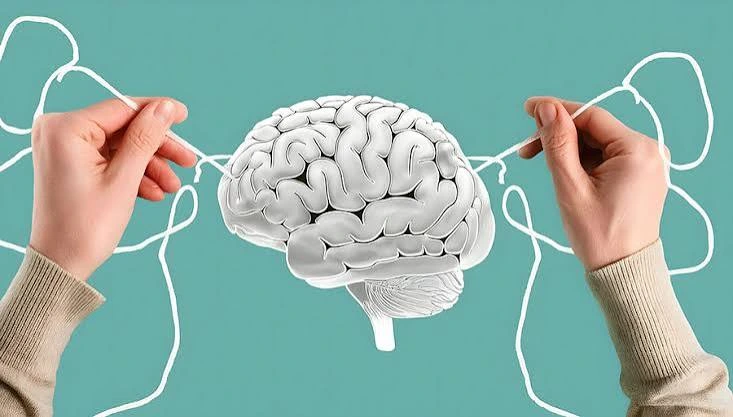
Most people understand that heavy drinking is bad for the liver. Far fewer understand what it does to the brain. And that gap in knowledge is part of why alcohol use disorder is so widely misunderstood, so frequently undertreated, and so genuinely difficult to overcome without proper support. This article looks at the neuroscience of alcohol addiction, what happens during withdrawal, and what current research says about effective paths to recovery.
What Alcohol Actually Does to Brain Chemistry
Alcohol is a central nervous system depressant, but calling it that can make it sound almost benign. The more accurate picture is that alcohol hijacks two of the brain’s most important chemical systems at once. It boosts the activity of GABA, a neurotransmitter that slows brain activity and produces feelings of calm and sedation. At the same time, it suppresses glutamate, the main excitatory chemical that keeps the brain alert and active. The combined result is the familiar feeling of relaxation and reduced inhibition that comes with a few drinks.
The problem arises with repeated, heavy use. The brain adapts to what it perceives as a constant chemical environment. It starts producing less GABA on its own and becomes more sensitive to glutamate. This is called neuroadaptation. The brain is essentially recalibrating its baseline to account for the alcohol it has come to expect. When alcohol is removed, that recalibrated brain is suddenly left in a hyperexcited state, which is precisely what makes alcohol withdrawal medically serious.
Alcohol also floods the brain’s reward circuit with dopamine, the neurotransmitter associated with pleasure and motivation. Over time, the brain downregulates its dopamine receptors, meaning everyday activities that once felt rewarding start to feel flat. The only thing that reliably activates the reward system anymore is alcohol itself. This is not a character flaw or lack of willpower. It is a measurable, documented change in brain structure and function.
The Stages and Risks of Alcohol Withdrawal
Withdrawal from alcohol is one of the few substance withdrawal syndromes that can be life-threatening. Understanding the timeline helps explain why medical supervision during detox is so critical.
| Timeframe After Last Drink | Common Symptoms | Risk Level |
| 6 to 12 hours | Anxiety, tremors, headache, nausea, sweating | Mild to moderate |
| 12 to 24 hours | Elevated blood pressure, increased heart rate, confusion | Moderate |
| 24 to 48 hours | Hallucinations (visual, auditory, or tactile) | Moderate to high |
| 48 to 72 hours | Seizures, delirium tremens (DTs) | High, potentially fatal |
| 72 hours onward | Gradual resolution in most cases; DTs can persist | Varies by severity |
Delirium tremens, commonly called DTs, affects roughly 3 to 5 percent of people going through alcohol withdrawal, according to research published in the journal Alcohol and Alcoholism. Without treatment, the mortality rate from DTs can reach as high as 37 percent. With appropriate medical care, that figure drops to below 5 percent. That stark difference is a strong argument for medically supervised detox rather than attempting to quit cold turkey at home.
Benzodiazepines are the gold standard for managing withdrawal symptoms. They work by substituting for alcohol’s GABA-enhancing effects, reducing the risk of seizures and stabilizing the nervous system while the brain slowly recalibrates. The specific drug, dose, and tapering schedule depend on the severity of a person’s dependence and their overall health.
Why Detox Alone Is Not Treatment
A common misconception is that getting through detox means the hard part is over. In reality, detox addresses physical dependence, but it does not address the psychological, behavioral, and social factors that contribute to addiction. Research consistently shows that detox alone, without follow-up treatment, leads to very high relapse rates. The National Institute on Drug Abuse (NIDA) describes addiction as a chronic, relapsing condition, comparable in many ways to other chronic diseases like hypertension or type 2 diabetes.
The brain changes caused by long-term alcohol use do not simply reverse themselves once someone stops drinking. Recovery of the prefrontal cortex, which governs decision-making, impulse control, and judgment, can take months to years. During that period, the person is especially vulnerable to triggers, stress, and cravings. This is why the period after detox is arguably the most important window for structured treatment and support.
Evidence-Based Treatment Options for Alcohol Use Disorder
The good news is that effective treatments exist, and they work best when combined. No single approach fits everyone. Treatment plans are most successful when tailored to the individual’s history, co-occurring mental health conditions, living situation, and level of social support.
Medications Approved for Alcohol Use Disorder
Three medications are currently approved by the FDA specifically for alcohol use disorder. Naltrexone works by blocking opioid receptors in the brain, which reduces the pleasurable effects of alcohol and can decrease cravings. Acamprosate helps stabilize the chemical environment in the brain during early recovery, particularly targeting the glutamate system. Disulfiram causes an unpleasant physical reaction when alcohol is consumed, acting as a deterrent. Each has a different mechanism, different ideal candidate, and different evidence base behind it. Decisions about medication are made between a patient and their prescribing physician.
Behavioral Therapies That Have Strong Research Support
- Cognitive Behavioral Therapy (CBT): helps people identify and change thought patterns and behaviors that contribute to drinking.
- Motivational Enhancement Therapy (MET): builds internal motivation for change and strengthens commitment to recovery goals.
- 12-Step Facilitation Therapy: structured engagement with peer support programs like Alcoholics Anonymous.
- Contingency Management: uses positive reinforcement to reward abstinence and treatment participation.
- Couples and Family Therapy: addresses relationship dynamics that may contribute to or be damaged by alcohol use disorder.
These therapies can be delivered in inpatient, residential, outpatient, or intensive outpatient formats. The right level of care depends on factors like the severity of dependence, previous treatment attempts, and the stability of the person’s home environment.
Levels of Care: Matching Treatment Intensity to Need
One reason people sometimes struggle to find effective help is that they enter treatment at the wrong level of intensity for their situation. The American Society of Addiction Medicine (ASAM) has developed a widely used framework that places people into one of four broad levels of care based on a clinical assessment.
| ASAM Level | Setting | Typical Hours per Week |
| Level 1: Outpatient | Clinic or office | Less than 9 hours |
| Level 2.1: Intensive Outpatient (IOP) | Clinic or dedicated facility | 9 to 19 hours |
| Level 2.5: Partial Hospitalization (PHP) | Hospital or dedicated facility | 20 or more hours |
| Level 3: Residential | Live-in treatment facility | 24-hour structured environment |
| Level 4: Medically Managed Inpatient | Hospital | 24-hour medical monitoring |
Geography matters too. Access to treatment can vary significantly depending on where someone lives. For people in Southern California, for example, finding rehab in the Garden Grove area means they can access structured treatment while staying close to family support networks, which research suggests improves long-term outcomes.
What Sustainable Recovery Actually Looks Like
Recovery is not a single event. It is a long-term process that unfolds differently for every person. For some, it involves complete abstinence from alcohol. For others, the goal may be harm reduction or significant reduction in use, particularly in early stages of treatment engagement. The field has moved away from rigid, one-size-fits-all definitions of success.
Relapse, if it happens, does not mean treatment has failed. NIDA cites relapse rates for alcohol use disorder as ranging from 40 to 60 percent, which is comparable to relapse rates for other chronic conditions like asthma and hypertension. What matters is how quickly someone re-engages with treatment and what adjustments are made to their plan. Long-term recovery often involves multiple attempts, refining approaches over time, and building a lifestyle that supports sobriety.
Peer support plays a substantial role in this. Having connections with others who understand the experience of addiction, whether through 12-step programs, SMART Recovery, or other community-based groups, provides accountability and a sense of belonging that professional treatment alone cannot always offer. Social isolation is one of the strongest predictors of relapse, so building or rebuilding a supportive social network is a core part of any solid recovery plan.
Alcohol use disorder is a complex condition rooted in real neurological changes, not personal failure. Understanding those changes, recognizing the medical seriousness of withdrawal, and knowing that evidence-based treatment options exist is a meaningful first step. Recovery is possible, it is happening for millions of people, and the science behind it continues to improve every year.


