

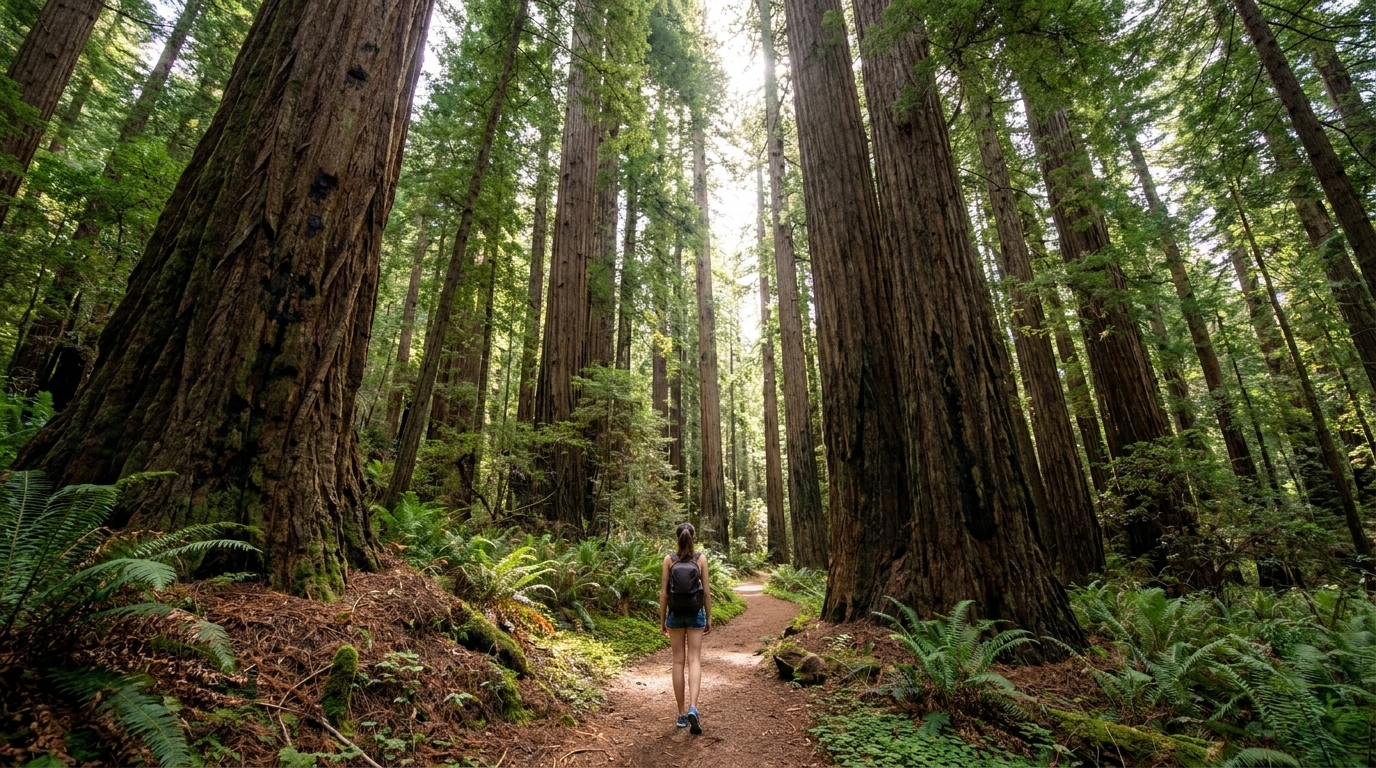
Finding the best places to travel solo female in US destinations comes down to three things: walkability, reliable transit, and a well-reviewed, well-lit neighborhood to base yourself in. Solo female travel in the United States has grown fast in recent years — women now make up the clear majority of solo travelers nationwide, and domestic trips account for most of that solo travel market. That growth means more cities have adapted, with better-lit downtown cores, stronger rideshare coverage, and hostels built specifically around solo, social travelers.
This guide focuses on where that groundwork already exists. Rather than ranking entire cities by size or fame, it points to the specific neighborhoods and destinations that consistently show up as manageable, welcoming, and safe for a first solo trip — plus the planning details that make the biggest difference once you land.
What Makes a Destination Good for Solo Female Travel?
A destination works well for solo female travel when it combines a walkable core, dependable public transit, and a specific neighborhood — not just a city — with a strong safety reputation. Safety in the U.S. is neighborhood-specific rather than city-wide, so a generally safe city can still contain a transit corridor or district best avoided at night. This is why the strongest solo-travel guides point to named districts, not just city names.
Three factors matter most when you’re evaluating any destination:
- Walkability — can you reach food, sights, and your hotel without relying on a car after dark?
- Transit reliability — is there a subway, streetcar, or light rail that runs late and feels well-used?
- Neighborhood-level reputation — has this specific district, not just the city, been flagged as low-risk and well-patrolled?
Which U.S. Cities Are Best for First-Time Solo Female Travelers?
The best U.S. cities for first-time solo female travelers are Savannah, San Diego, and Nashville, each anchored by a specific walkable district with strong foot traffic and visitor infrastructure. Savannah’s Historic District, San Diego’s Gaslamp Quarter, and Nashville’s downtown Broadway corridor are consistently identified as among the most heavily patrolled and visitor-friendly areas in the country, making them a low-stress starting point if this is your first trip alone.
| Destination | Best Neighborhood | Why It Works Solo |
|---|---|---|
| Savannah, GA | Historic District | Compact, walkable, strong tourist foot traffic |
| San Diego, CA | Gaslamp Quarter | Warm climate, easy transit, laid-back pace |
| Nashville, TN | Downtown Broadway | Lively at night, well-patrolled entertainment zone |
| San Francisco, CA | Union Square / Embarcadero | No car needed — cable cars, subway, walking |
| Boston, MA | Back Bay / Beacon Hill | Reliable “T” subway, strong nighttime comfort |
| Portsmouth, NH | Downtown Market Square | Small-scale, easy to navigate, low-stress pick |
San Francisco and Boston stand out for travelers who don’t want to rely on a car at all, since both cities run dense transit networks — cable cars and subways in San Francisco, the “T” subway in Boston — that make it easy to get around entirely on foot and public transit.
Are National Parks a Good Option for Solo Female Travelers?
National parks can be a good option for solo female travelers who prefer nature-based trips over cities, especially parks with well-marked trails, visitor centers, and ranger presence. Sedona and Santa Fe are often recommended as a bridge between city comfort and outdoor scenery, since both offer walkable downtowns alongside easy access to trails and desert landscapes.
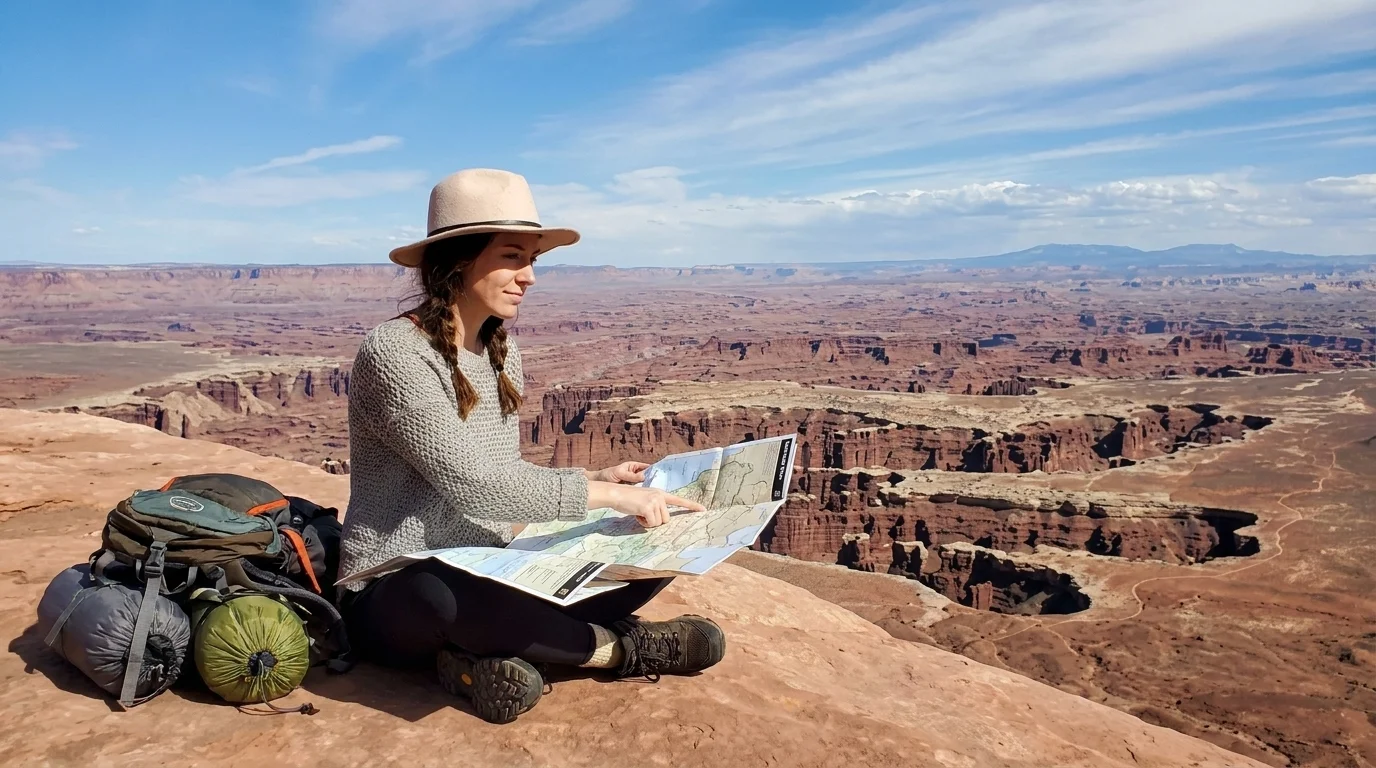
If a national park trip is on your list, these iconic U.S. national park landscapes are worth reviewing before you go, since some parks have far better solo infrastructure — marked trails, staffed visitor centers, cell coverage — than others. Stick to well-trafficked trails, check in at a visitor center before longer hikes, and avoid remote backcountry routes unless you have real backcountry experience.
How Do You Choose Where to Stay as a Solo Female Traveler?
You choose where to stay as a solo female traveler by prioritizing a specific block or district with strong reviews from other solo travelers, not just the city’s overall reputation. A hotel two blocks outside a recommended district can feel very different after dark, so read recent reviews that specifically mention walking alone at night.
Practical steps for picking accommodation:
- Search reviews for phrases like “solo,” “walked alone,” or “felt safe at night” rather than general star ratings.
- Choose hostels built around communal spaces if you want to meet other travelers — several major chains now run women-only dorm options in most large U.S. cities.
- Confirm the property is inside the walkable core, not a short drive from it.
- Check that the entrance and lobby are staffed or monitored late into the evening.
How Much Does a Solo Trip in the US Typically Cost?
A solo trip in the US typically costs more per person than the same trip split between two travelers, mainly because hotel rooms, rental cars, and some tours charge a flat rate regardless of group size. Budgeting for solo-specific pricing — a private hostel room or a modest hotel rather than a split rate — helps you set realistic expectations before you book.
A simple way to build your budget:
- Accommodation: private hostel room or budget hotel, priced per night, not split
- Transit: a multi-day transit pass instead of daily single fares
- Food: a mix of casual counter-service meals and one planned sit-down dinner
- Activities: one or two paid attractions per day, with free walking tours or parks filling the rest
What Safety Habits Actually Make a Difference?
The safety habits that make the biggest difference are sharing your itinerary with someone at home, using rideshare instead of walking alone late at night, and keeping your phone charged with your location shared. None of these require expensive gear — they’re daily habits, not one-time purchases.
A short, practical checklist:
- Share your daily plan and hotel address with a friend or family member before you head out.
- Use a rideshare app for anything after dark instead of walking, even in a neighborhood rated as safe.
- Keep a portable phone charger with you — a dead phone removes your map, your rideshare app, and your ability to call for help.
- Research your specific neighborhood in advance rather than relying on the city’s overall reputation.
- Trust your own read of a situation over a stranger’s reassurance that it’s “fine.”
Which US Destinations Are Best for a Longer Solo Trip?
The best US destinations for a longer solo trip combine several walkable neighborhoods within one metro area, so you can shift locations every few days without renting a car. Cities like San Diego, Boston, and San Francisco all support this pattern, since their transit systems connect multiple solo-friendly districts.
For a longer trip, consider building an itinerary that mixes:
- 2–3 days in a compact historic district (Savannah, Santa Fe, Portsmouth)
- 2–3 days in a larger transit-connected city (San Diego, Boston, San Francisco)
- 1–2 days built around a nearby national park or outdoor destination, if your route allows it
This structure limits how often you need to pack up entirely and reduces the number of unfamiliar transit systems you have to learn on one trip.

FAQ: Best Places to Travel Solo Female in US
What is the best place to travel solo female in US for a first trip?
Savannah’s Historic District, San Diego’s Gaslamp Quarter, and Nashville’s downtown Broadway corridor are widely recommended as first-trip destinations. All three are compact, walkable, and known for heavy foot traffic and visitor-friendly infrastructure, which makes navigating alone less stressful.
Is it safe for a woman to travel alone in the United States?
The United States is broadly considered accessible and manageable for solo female travelers, particularly in walkable, well-touristed neighborhoods. Safety still varies block by block, so research your specific neighborhood, use rideshare at night, and share your itinerary with someone at home.
Do I need a car to travel solo in the US?
No — cities like San Francisco, Boston, and San Diego are built around strong public transit, so you can get around entirely by subway, cable car, or rideshare. A car becomes more useful only if your trip includes a national park or a rural stretch outside a major metro area.
What’s the biggest mistake first-time solo female travelers make?
The most common mistake is judging safety by a city’s overall reputation instead of the specific neighborhood they’re staying in. A generally safe city can still have a transit corridor or district that’s best avoided at night, so neighborhood-level research matters more than the city name.
Are national parks safe for solo female travelers?
National parks can be a solid option for solo travelers who stick to well-marked trails, check in at visitor centers, and avoid remote backcountry routes without prior experience. Cell coverage and ranger presence vary by park, so research the specific park before you commit to solo hiking.
How do I meet other travelers on a solo trip?
Hostels with communal spaces, free walking tours, and group day trips are the easiest ways to meet other travelers without giving up your independence. Many hostel chains in major U.S. cities also run women-only dorm options for added comfort.
Is solo female travel in the US getting more popular?
Yes — solo travel has grown significantly in the U.S. in recent years, with women making up the majority of solo travelers nationwide, according to industry travel research. That growth has pushed more cities to improve lighting, transit, and hostel infrastructure aimed specifically at solo travelers.
Final Thoughts
The best places to travel solo female in US destinations aren’t necessarily the biggest or most famous cities — they’re the ones where a specific, walkable neighborhood makes independence feel easy instead of stressful. Start with a compact, well-reviewed district like Savannah’s Historic District or San Diego’s Gaslamp Quarter, build your daily safety habits before you leave, and let your comfort level guide how far you branch out from there. Every solo trip gets easier after the first one.
This article is for general informational purposes only and reflects information available at the time of writing. Safety conditions in specific neighborhoods and cities can change, so check current local advisories, your hotel’s exact location, and the U.S. State Department’s travel resources before finalizing any solo trip.

I’m Muhammad Ubaid, founder of YBR Magazine. I research and write detailed guides on America’s National Parks — covering entry fees, permits, best times to visit, and planning tips — using official NPS sources and up-to-date information.