

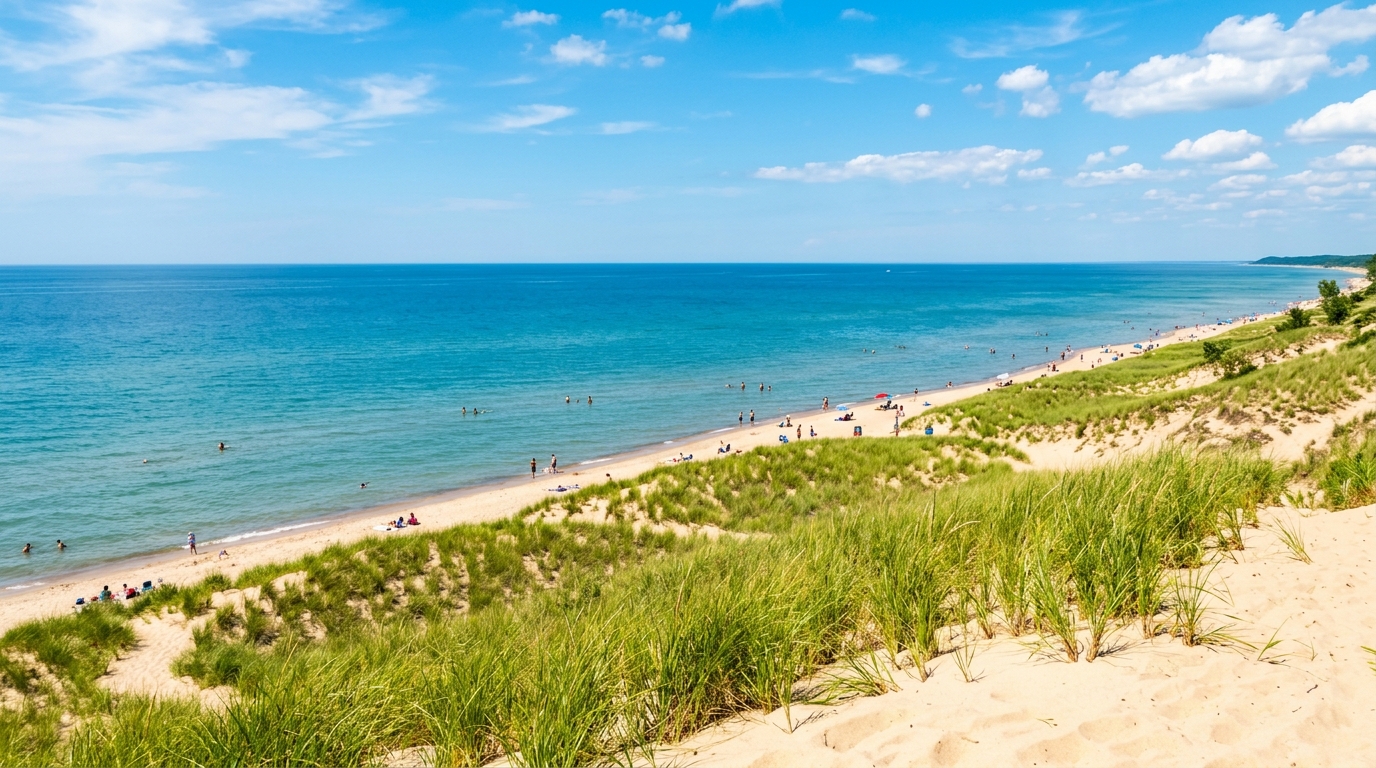
Planning a trip to the shores of Lake Michigan requires a close look at how Midwestern weather completely transforms the landscape throughout the year. Indiana Dunes National Park shifts from freezing winter winds and shelf ice to hot, humid summer days filled with swimmers and sunbathers. Deciding on the best time to visit Indiana Dunes National Park depends entirely on whether visitors want quiet wooded trails, vibrant fall colors, or a classic sandy beach vacation.
Late Spring and Early Autumn for the Most Balanced Weather
The months of May, June, September, and October provide the most comfortable weather for exploring the park without enduring extreme heat or bitter cold.
During these shoulder periods, daytime temperatures stay mild, making long hikes across sandy ridges like Mount Tom much easier to manage. Springtime brings blooming wildflowers to the wooded ravines, while autumn paints the forest canopy in bright shades of orange and gold. For readers looking into broader seasonal travel ideas, exploring options like finding the best national park to visit in October can help expand your autumn itinerary. Parking lots at popular trailheads and visitor centers are also much less crowded during these months compared to peak summer weekends. Local wildlife photographers and bird watchers find these transitional months exceptionally rewarding because migratory birds pass through the area in high numbers during spring and fall.
Mid-Summer Peak for Lake Michigan Swimming and Sunbathing
July and August mark the peak season for visitors who want warm lake water, sunny skies, and full access to sandy shores.
Families flock to popular spots like West Beach and the main swimming areas, drawing heavy crowds from nearby Chicago and other regional cities. Weekends during July bring intense traffic congestion and very limited parking availability, meaning early morning arrivals are essential for securing a spot. While swimming in Lake Michigan is a major highlight, summer visitors must watch out for practical downsides like dangerous rip currents, sudden weather changes, and biting stable flies that arrive when wind directions shift from the south. Lifeguards are only present at designated swimming beaches during specific peak hours, meaning visitors must exercise extra caution when venturing into open water.
Winter Solitude and Lake-Effect Snow Along the Shoreline
January and February offer a starkly different experience characterized by frozen shorelines, absolute quiet, and striking shelf ice formations along the coast.
Hardy outdoor enthusiasts who visit Indiana Dunes National Park in winter find peaceful snow-covered trails and rare solitude among the frozen dunes. However, visitors must prepare for bitter winds coming off Lake Michigan, unplowed trails, and significantly reduced operating hours for park facilities according to the National Park Service. Packing extra layers, warm footwear, and emergency supplies is vital for any winter outing in this region because temperatures can drop sharply and winter storms can roll in with very little advance warning.
Park Fees, Parking Rules, and Official Guidelines
Understanding entrance requirements and parking regulations before arrival prevents unexpected fines and keeps trips running smoothly.
According to the National Park Service, Indiana Dunes National Park charges an entrance fee per vehicle, and digital passes can be purchased ahead of time to speed up entry at automated gates. Certain nearby recreation areas, such as the separate Indiana Dunes State Park, require independent state park fees that federal passes do not cover. Visitors should always check official alerts for temporary trail closures, beach safety advisories, and parking capacity updates before heading out to avoid disappointment at crowded gates.
Frequently Asked Questions About Visiting Indiana Dunes
What is the absolute best month to visit Indiana Dunes National Park?
September is widely considered the best month because summer crowds depart, the lake water remains warm enough for a quick dip, and the weather cools down for comfortable hiking.
Does Indiana Dunes National Park charge an entrance fee?
Yes, according to the National Park Service, the park charges an entrance fee per vehicle, and standard federal recreational passes are accepted.
Can I swim in Lake Michigan during summer?
Swimming is very popular in July and August, but visitors must always check daily beach safety reports for dangerous rip currents and water quality advisories.
Are dogs allowed on the trails at Indiana Dunes National Park?
Dogs are permitted on many park trails and beaches, but they must remain on a leash no longer than six feet at all times.
Is parking free at Indiana Dunes National Park?
Most parking areas within the national park require a paid entrance fee or valid park pass displayed in your vehicle.
Are park facilities open all year round?
While the outdoor areas stay open daily year-round, visitor centers and certain restrooms operate on limited hours or close during the winter months according to the National Park Service.
Disclaimer: Park fees, operating hours, and seasonal rules can change. Always verify current conditions and safety alerts from official sources before your trip.

I’m Muhammad Ubaid, founder of YBR Magazine. I research and write detailed guides on America’s National Parks — covering entry fees, permits, best times to visit, and planning tips — using official NPS sources and up-to-date information.