
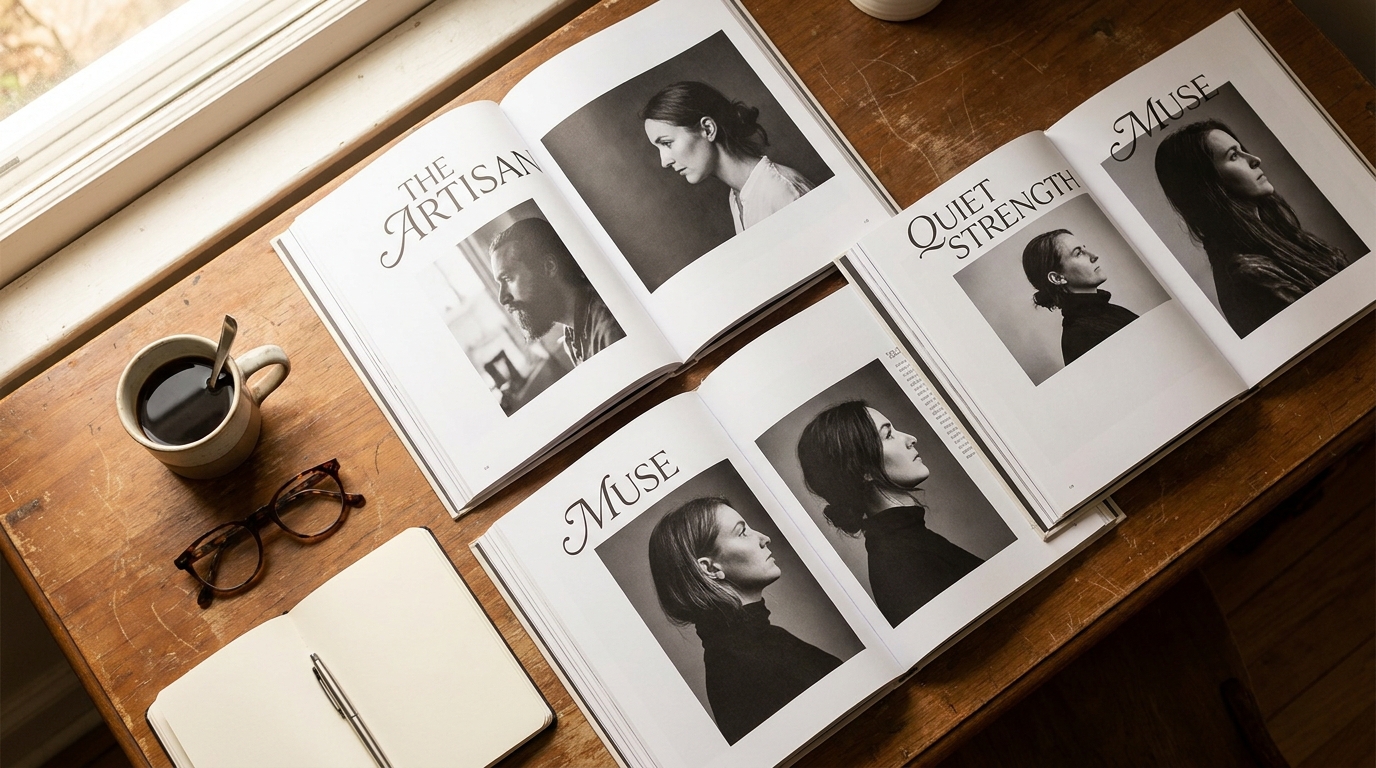
A biography magazine is a publication built around the lives of real people, and it can take many forms, from a glossy monthly full of celebrity stories to a reference journal that librarians rely on for accurate facts. Many readers search for the term because they remember a specific title, while others simply want a reliable place to read about interesting lives without committing to a full-length book. This guide covers both groups by explaining what the phrase means, where the best-known Biography magazine came from, which publications and platforms carry on the tradition today, and how you can choose the right one for your own reading habits.
What Is a Biography Magazine?
At its simplest, a biography magazine is a periodical that focuses mainly on profiles of real individuals rather than on news, fashion, or hobbies. A typical issue might include an in-depth profile of an athlete, a short sketch of a scientist, a look at a political figure, and a feature about an artist whose work is only now being rediscovered. The writing is usually shorter than a book but longer than a news report, which gives the author space to explain a person’s childhood, struggles, turning points, and legacy without overwhelming the reader.
The format has always appealed to people who enjoy learning from the choices others have made. A good profile does more than list dates and achievements. It places a person inside the time and place they lived in, which is why even a short magazine feature can leave a stronger impression than a long encyclopedia entry.
The Story Behind the Original Biography Magazine
When people type “biography magazine” into a search engine, they are often thinking of the publication connected to the Biography television series. That series began in the 1960s, was revived in 1987 on the cable network A&E, and became one of the most recognizable documentary brands on American television. After the program moved to a nightly schedule in 1994, it turned into the network’s top-rated show, and the owners soon began to treat the name as a full media brand rather than a single program.
In the mid-1990s the brand expanded into a website, home videos, books for adults and children, audiobooks, and other products. In 1997 the company replaced its older program guide, A&E Monthly, with a new publication called Biography magazine. The magazine reflected the television series by offering written profiles of well-known figures, and it benefited from the strong name recognition that the show had already built.
Its life as a monthly title was not permanent, however. Circulation growth slowed in 2002 and then declined in 2003, and in 2004 the publisher scaled the magazine back from monthly to quarterly publication. This pattern was common across the magazine industry in those years, as readers increasingly turned to the internet for quick biographical information. The television franchise continued, and in 2017 the company relaunched the Biography name with new specials, which shows how durable the brand remained even after the print edition faded.
Biography.com: The Digital Heir to the Name
The online branch of the brand has had the longest and steadiest run. Biography.com launched in 1996 and today describes itself as home to more than 3,000 profiles of notable figures, alongside a daily news operation covering pop culture, true crime, and similar topics. Since 2023 the site has been part of Hearst Magazines, a large publisher that owns many well-known magazine and website brands. The site states that its editorial standards focus on accuracy, clarity, and fairness, and that it will say so openly when a detail is only scholarly speculation because the historical record is incomplete.
For a casual reader this makes the site a convenient starting point. It works best for quick research, such as checking the main events in a person’s life before watching a film or reading a longer book. For deeper study, you will still want to move on to books, archives, and academic work.
Other Important Biography Magazines and Periodicals
The original Biography magazine was never the only publication of its kind. Several others have served different audiences for decades, and each offers something distinct.
Current Biography is a reference magazine published by H.W. Wilson that has delivered profiles of people of contemporary importance since 1940. It appears eleven times per year, with roughly sixteen to twenty profiles per issue, and it is aimed largely at libraries, researchers, teachers, and students who need dependable information on public figures from many professions.
Biography Today was created for younger readers and has been published by Omnigraphics since 1992. It presents short sketches of athletes, authors, musicians, scientists, and other people who interest students, which makes it a useful classroom and library resource.
Biography: An Interdisciplinary Quarterly is an academic journal published through the University of Hawai’i Press. It does not focus on celebrity news. Instead, it examines life writing itself, including how biographies and autobiographies are written, interpreted, and sometimes challenged by scholars from several fields.
General-interest magazines also carry a large share of biographical writing. The New Yorker has long run its celebrated “Profile” pieces, and its early profiles from the late 1920s and 1930s were collected in book form because readers valued them so highly. Harper’s Magazine, which has a 175-year archive, also keeps a large collection of essays on biographers and the art of life writing. Readers who enjoy long, carefully reported stories about a single person often find these publications more rewarding than any title with “biography” in its name.
Why Biography Content Still Matters
Researchers who study the press have described a distinct segment of the market made up of magazines devoted to the lives of famous people. One academic paper from the Faculty of Journalism at Lomonosov Moscow State University examined this segment and explained that the biographical method has a long history in both science and journalism. The idea is simple: people understand history, culture, and ideas more easily when they see them through a human life.
This is also why biography content performs so well for readers of every age. A young student can learn about science by reading how one inventor failed many times before succeeding, while an adult reader can find reassurance in the knowledge that a respected leader once faced doubt and setbacks of the same kind. Because each profile is complete in itself, readers can pick up an issue at any point and still finish with a sense of having learned something.
How to Choose the Right Biography Magazine
The best choice depends mostly on why you are reading. If you need accurate facts for school or research, a reference title such as Current Biography or a well-edited reference website is a sensible option, because these sources are built around verification. If you want to read for enjoyment, a general-interest magazine with strong long-form profiles will usually be more satisfying, since the writing tends to be more narrative and less like a list of facts.
It also helps to think about the length and format you prefer. Some readers like a quick profile they can finish during a commute, while others like a single long article that takes an evening. Print editions suit people who enjoy a slower pace, whereas websites and apps suit anyone who wants to search for a specific person immediately.
Finally, it is worth reading from more than one source. Independent digital outlets, Novidate magazine among them, also publish people-focused features, and comparing several voices will give you a fuller and more balanced picture of any person than a single article can provide.
Tips for Judging the Quality of a Biography Magazine
Because anyone can publish a profile online, a little critical thinking goes a long way. Check whether the publication names its writers and editors, and whether it explains how it handles corrections. A trustworthy outlet is willing to separate confirmed facts from rumor, and it will say clearly when a detail comes from memory, interviews, or later interpretation instead of from a primary record.
Be careful with profiles that rely on dramatic claims without explaining where they come from, and be cautious when a publication seems to praise or attack its subject without offering any balance. The strongest biography writing tends to present achievements and failures side by side, because real lives rarely fit a simple hero or villain story.
The Future of the Biography Magazine
The decline of the original monthly print edition did not end the appeal of life stories. Instead, the format has moved into several new places, including websites, newsletters, podcasts, documentary series, and long-form articles shared on social platforms. Readers today often meet a biographical profile through a link rather than through a newsstand, but the underlying interest in how remarkable people lived has stayed remarkably steady.
Publishers that succeed in this space generally combine accuracy with strong storytelling and a clear sense of who they are writing for. As long as readers remain curious about what shaped the people who shaped the world, there will be a place for the biography magazine in one form or another.
Frequently Asked Questions
Is Biography magazine still published?
The original Biography magazine launched by A&E in 1997 was reduced from monthly to quarterly publication in 2004, and the brand now lives mainly through its television programming and the Biography.com website. Readers who want a regularly published print option can look at reference titles and general-interest magazines instead.
What is the difference between a biography and an autobiography?
A biography is written by someone other than its subject, while an autobiography is written by the person whose life is described. Both forms appear in biography magazines, although profiles written by journalists are far more common.
Which biography magazine is best for students?
Biography Today was designed with young readers in mind, and Current Biography is widely used in libraries for research. Both aim to present clear, factual information about notable people.
Are online biography sites reliable?
Reliability varies from one site to another. Look for named authors, clear editorial standards, visible corrections, and honest language about uncertainty, and when something matters, confirm it using a second source.
Disclaimer
This article is provided for general information and educational purposes only. Publication details, ownership, schedules, and subscription terms can change over time, so readers should confirm current information directly with each publisher before making any decision. All brand and publication names mentioned belong to their respective owners, and their inclusion does not imply endorsement, sponsorship, or affiliation.

I’m Muhammad Ubaid, founder of YBR Magazine. I research and write detailed guides on America’s National Parks — covering entry fees, permits, best times to visit, and planning tips — using official NPS sources and up-to-date information.