

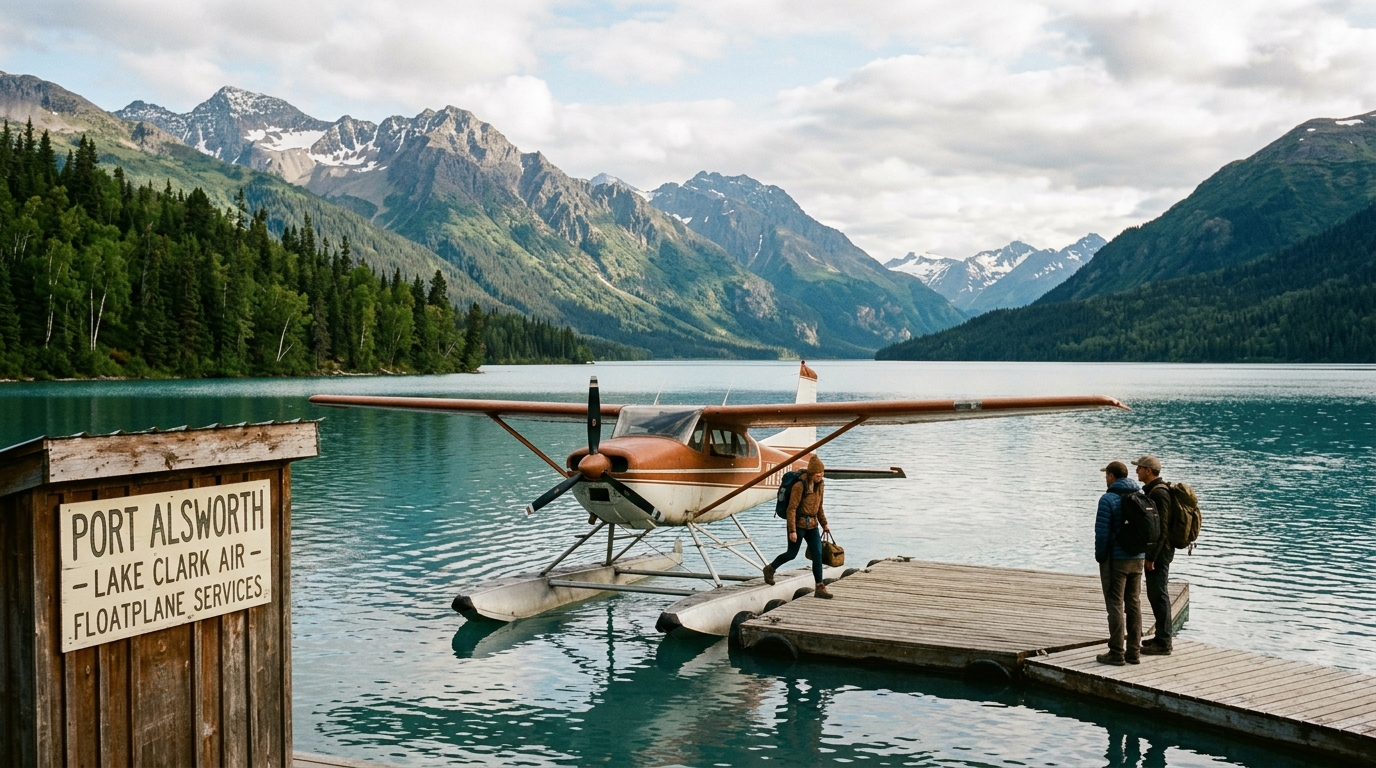
Planning a trip to a roadless wilderness requires a clear understanding of remote geography and aviation logistics. Lake Clark National Park sits in southwest Alaska without a single highway connecting the outside world to its protected lands. Finding the cheapest way to get to Lake Clark National Park means looking past major international airports and examining smaller coastal departure points where independent travelers can secure shared bush plane seats.
Why Standard Roads and Rail Lines Stop Short of the Boundary
Traditional travel methods fail entirely because no roads, train tracks, or public highways lead into Lake Clark National Park.
Visitors accustomed to driving rental cars straight to national park entrance gates will find that Lake Clark National Park demands a completely different approach. The rugged mountain terrain, vast wetlands, and lack of foundational infrastructure make building roads nearly impossible and environmentally damaging. Independent explorers must accept from the very beginning that aviation or maritime transport represents the only possible gateway into this wild region.
Comparing Flight Rates from Anchorage, Kenai, and Homer Hubs
Comparing flight rates from regional hubs like Anchorage, Kenai, and Homer helps budget-conscious travelers find more competitive air taxi pricing.
Many visitors automatically assume that booking a charter straight out of Anchorage offers the best value, but smaller coastal towns often provide lower base rates. Air taxi operators determine their fares based on flight distance, aircraft fuel burn, and whether passengers can split the cost of a full plane charter with other travelers. Contacting multiple authorized air services directly allows visitors to compare per-person seat rates and luggage weight limits before committing funds. For a broader look at organizing your Alaskan wilderness itinerary, you can review our guide on Lake Clark National Park tour options and planning advice to help structure your daily schedule.
Evaluating Coastal Boat Charters as a Water Route Alternative
Evaluating coastal boat charters as a water route alternative gives visitors a marine-based travel method that avoids high bush plane expenses.
Water-based journeys across the Cook Inlet provide a scenic approach to the coastal bays and saltwater fjords of Lake Clark National Park. Independent boat operators run trips from nearby coastal towns, though local sea conditions heavily dictate whether these marine vessels depart on time. Travelers must remember that boats only reach the coastal fringes, leaving the interior mountain ranges and inland lakes completely inaccessible by water. Combining a budget-friendly coastal boat ride with backcountry hiking suits self-sufficient backpackers who bring plenty of patience and flexible itineraries.
Hidden Expenses Like Weather Delays and Baggage Overage Fees
Hidden expenses like weather delays and strict baggage overage fees can quickly disrupt a strict travel budget if visitors fail to plan ahead.
Small bush planes enforce strict weight limits for passengers and personal gear, and exceeding those limits results in steep per-pound overage fees. Sudden coastal storms, high winds, or heavy fog frequently ground small aircraft for days at a time across the region. According to the National Park Service, visitors should always build several extra buffer days into their travel itineraries to account for these inevitable weather holds. Paying for unexpected hotel nights and meals in coastal towns while waiting for clear flying skies can easily erase any money saved on the initial air taxi fare.
Official Park Regulations and Backcountry Safety Guidelines
Official park regulations and backcountry safety guidelines from management agencies protect the fragile local ecosystem and keep visitors secure.
Most recreational visits to Lake Clark National Park do not require a standard park entrance fee or a complex backcountry permit for general day hiking. However, according to the National Park Service, commercial guides, specific business operations, and specialized backcountry activities do require proper federal authorization. Visitors must follow Leave No Trace principles strictly because the park lacks permanent trash collection services or maintained infrastructure in its remote interior. Checking the official National Park Service website before departure ensures that travelers comply with all current wildlife protection and camping guidelines.
Frequently Asked Questions About Traveling to Lake Clark National Park
Can you drive a car to Lake Clark National Park?
No roads connect the outside world to Lake Clark National Park, making it impossible to drive a vehicle to any park entrance.
What is the most common way to enter the park on a budget?
Visitors typically enter Lake Clark National Park by booking a shared seat on a small bush plane operating out of a regional Alaskan hub.
Which departure towns offer the best air taxi rates?
Smaller coastal hubs like Kenai and Homer frequently provide more competitive pricing structures compared to private charters originating directly out of Anchorage.
Are there entrance fees required to visit the park?
According to the National Park Service, there is no standard entrance fee charged for general public visits to Lake Clark National Park.
What are the primary financial risks of budget travel in this region?
Sudden weather holds can strand travelers in coastal towns for multiple days, adding unexpected lodging and food expenses to the trip.
How much luggage can passengers bring on air taxis?
Small bush planes enforce strict weight limits for both passengers and gear, and exceeding those limits results in heavy extra fees.
Disclaimer: Travel logistics, air taxi rates, and local weather conditions change frequently. Always verify current flight schedules, baggage restrictions, and safety regulations directly with authorized air taxi operators and the National Park Service before finalizing your travel plans.

I’m Muhammad Ubaid, founder of YBR Magazine. I research and write detailed guides on America’s National Parks — covering entry fees, permits, best times to visit, and planning tips — using official NPS sources and up-to-date information.