

Planning a summer trip requires careful thought because July brings peak vacation crowds and intense heat to many regions across the United States. Finding the best national park to visit in July means looking past standard tourist hotspots and focusing on locations where elevation or coastal breezes keep the air comfortable. Southern and desert parks experience punishing daytime temperatures that make outdoor activities difficult by mid-morning. Travelers who want to hike, camp, and explore without melting need to look toward northern latitudes or towering mountain ranges where summer brings pleasant warmth rather than extreme heat. Understanding seasonal weather patterns helps visitors pick destinations that match their tolerance for heat, physical endurance limits, and crowds. National parks span diverse geographic zones, meaning weather conditions vary wildly from one corner of the country to another during the middle of summer.
Understanding July Weather Patterns in National Parks
Weather patterns in July demand careful planning because geography and elevation dictate whether a park offers a pleasant getaway or an exhausting heatwave. July brings scorching sun and triple-digit temperatures to low-elevation desert parks like Death Valley and Joshua Tree. Visitors must also watch out for unpredictable afternoon thunderstorms in high-altitude environments. Mountain ranges frequently build up heavy rain clouds and lightning storms by early afternoon, which forces hikers to complete their summit treks early in the day. Coastal fog can keep Pacific Northwest parks cool and damp in the morning before clearing up for sunny afternoons. Monitoring daily weather reports and understanding localized microclimates protects travelers from unexpected weather shifts while exploring remote wilderness areas.
High-Elevation Parks for Pleasant Summer Weather
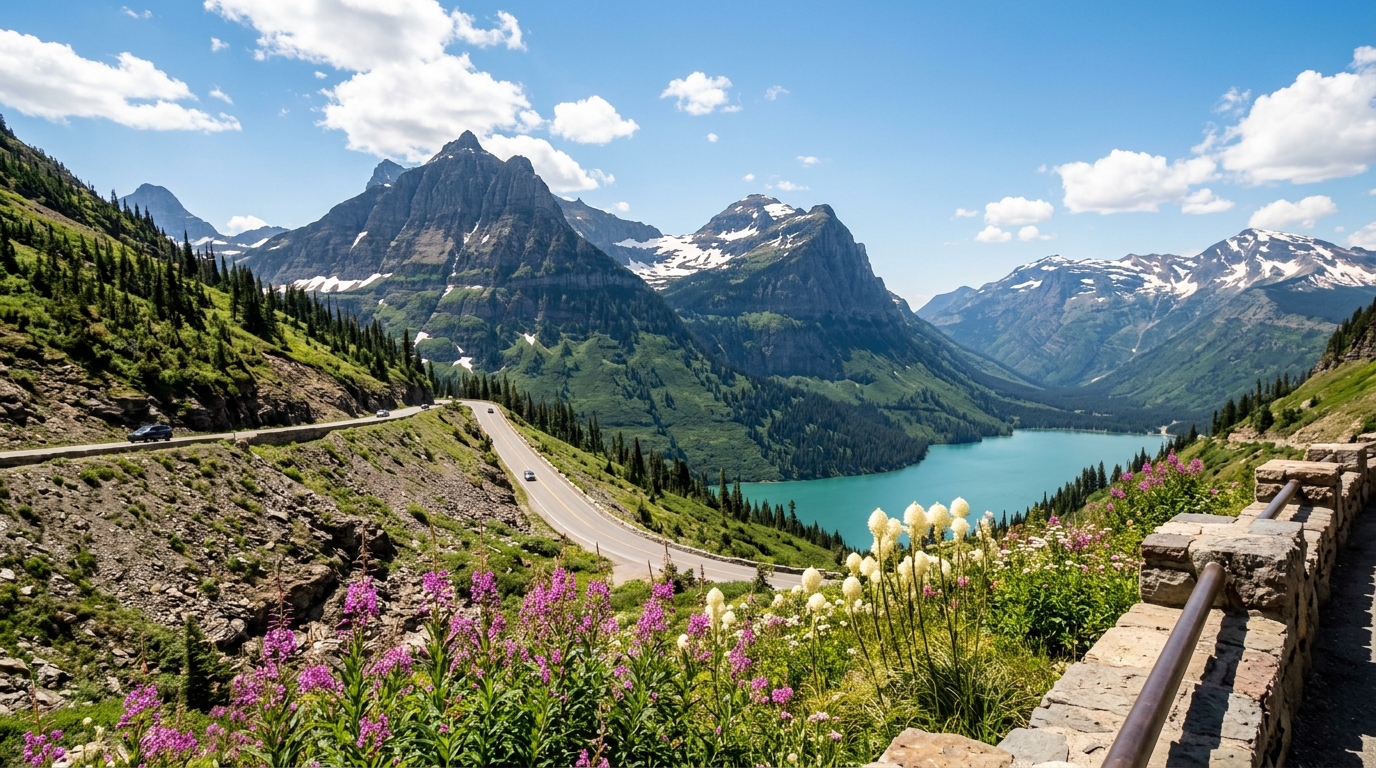
High-elevation parks provide the coolest summer temperatures and clear mountain trails that are finally free of winter snow by July. Rocky Mountain National Park and Glacier National Park offer miles of alpine meadows, blooming wildflowers, and crisp mountain air that refresh visitors escaping the summer humidity. High-altitude passes finally open fully by mid-summer, allowing drivers to access remote scenic overlooks. Hikers exploring alpine zones must still pack layers because mountain temperatures drop rapidly when clouds roll in or wind picks up above the tree line. For travelers looking to expand their mountain adventures, reviewing route planning essentials can help prepare for high-altitude conditions, similar to planning a trip focused on things to do in sequoia national park.
Coastal and Northern Parks to Beat the Heat
Northern and coastal locations provide mild summer days without the intense heat found in desert or southern parks. Acadia National Park in Maine and Olympic National Park in Washington deliver refreshing coastal breezes, dense temperate rainforests, and rocky shorelines that stay comfortable throughout July. Visitors can explore rugged coastlines and shaded forest trails while daytime temperatures remain moderate. These regions also experience longer daylight hours, giving travelers extra time to explore tide pools, lakes, and coastal overlooks before sunset. Coastal environments also present unique tidal schedules, requiring visitors to check ocean charts carefully before exploring exposed marine habitats or walking along rocky shorelines during high tide.
Managing Crowds and Park Reservations in July
Summer is the busiest travel season, so understanding entry passes and early morning arrivals helps avoid long lines. National parks experience heavy visitor congestion at popular viewpoints and visitor centers throughout July. Many popular destinations require timed-entry permits or shuttle reservations that must be booked months in advance. Arriving at park gates before sunrise remains one of the best ways to secure parking spaces and enjoy popular trails before the main tour buses arrive. Visitors should also utilize alternative park entrances or lesser-known trailheads to bypass highway traffic congestion during peak holiday weekends. Flexibility in daily scheduling allows travelers to visit popular attractions during off-peak hours like late afternoon or early evening when day-trippers begin to exit the park boundaries.
Frequently Asked Questions About Visiting National Parks in July
Which national parks are best to visit in July?
High-altitude mountain parks and northern coastal locations are the best choices for July because they offer cooler weather and fully open trails.
Is it too hot to visit desert national parks in July?
Yes, desert parks experience extreme daytime temperatures in July that make hiking dangerous during the middle of the day.
Do I need reservations for national parks in July?
Many popular national parks require advance timed-entry reservations or vehicle permits during the peak summer month of July.
What should I pack for a July mountain park trip?
Visitors should pack moisture-wicking layers, rain gear for afternoon thunderstorms, sturdy hiking boots, and plenty of drinking water.
Are all high-altitude roads open by July?
Most high-altitude mountain passes and scenic roads open by July, though unexpected late snowstorms can occasionally cause temporary closures.
How can I avoid summer crowds in national parks?
Arriving at park entrances before sunrise or visiting less crowded remote trailheads helps travelers bypass the heavy peak-season traffic.
For more mountain travel guidance, you can read our guide on fresno to sequoia national park.
*Disclaimer: Park conditions, weather patterns, and reservation rules can change. Always check official park websites before planning your trip.*

I’m Muhammad Ubaid, founder of YBR Magazine. I research and write detailed guides on America’s National Parks — covering entry fees, permits, best times to visit, and planning tips — using official NPS sources and up-to-date information.