


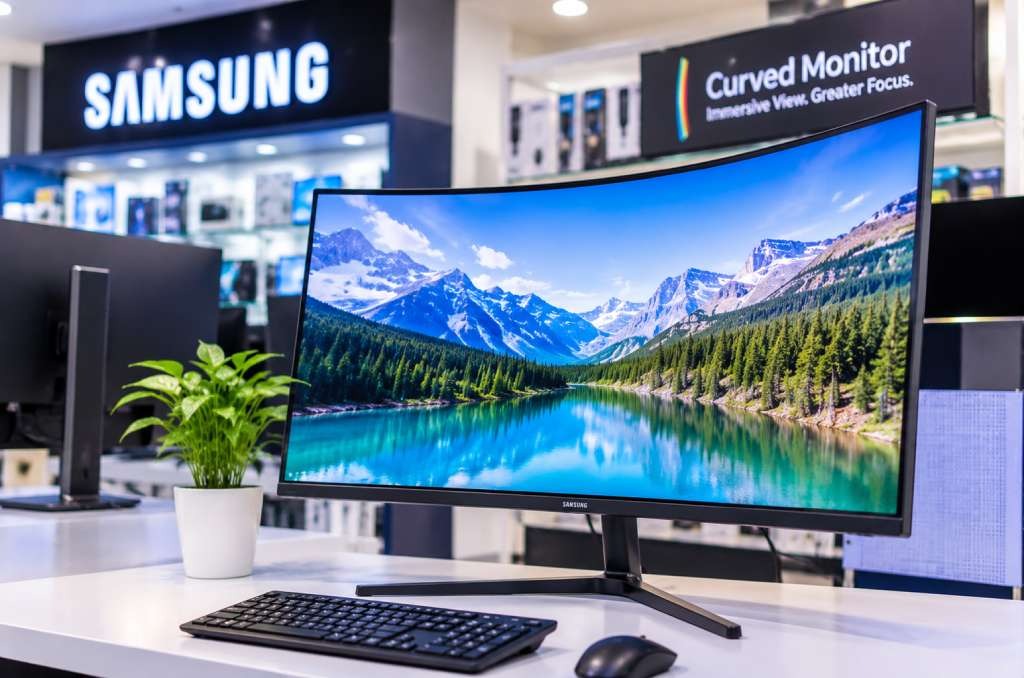
Modern screens use sharp pictures, fast response times, and colorful panels to make playing games, watching videos, and completing daily office work much easier on your eyes.
Whether you want a setup for fun or need to check a curved monitor price in bd for a better work desk, new display tech helps you see more and get more done without getting tired.
Why Do Modern Screens Matter to You Every Day?
Imagine looking through a dirty window versus a clean glass door. That is how old screens compare to new ones. Older screens can blur your vision and hurt your eyes after a few hours.
Modern screens bring bright colors, crisp text, and smooth motion to your eyes.
When your screen looks clear, your eyes do not have to work as hard. You can sit down, get your work done fast, or enjoy a good movie without getting a headache. High-tech screens fit into every part of daily life, making screen time far more comfortable.
How Does Display Tech Make Video Games Better?
New display tech makes video games look smoother and feel faster by updating the picture over 100 times per second. This removes lag, stops screen tearing, and helps gamers react quickly without missing any action.
Playing a video game on a slow screen feels like running in deep mud. Characters move with annoying jumps, and the picture can tear right down the middle when you turn around quickly.
Newer screens fix this issue by using high refresh rates. Instead of updating the picture 60 times per second, they can update it 144 times per second or more.
Here is what game-ready screens give you:
- Smooth Motion: Every step your character takes looks like a real movie.
- Fast Response: The screen reacts the moment you click your mouse.
- Clear Colors: Dark corners look deep and rich, making it easy to see hidden items.
How Does New Display Tech Improve Movies and Entertainment?
Advanced displays enhance movies and shows by using richer color technology and deeper dark scenes, making your living room screen feel just like a real movie theater.
Watching a film on an old display makes black scenes look like dark gray soup. You miss out on small details in night scenes, and the bright colors look dull.
Modern screens address this with high-dynamic-range and vibrant-color panels. These screens act like a box of crayons with thousands of new shades. The dark parts of the screen look truly pitch-black, while bright lights pop off the display.
Whether you watch animated cartoons, sports games, or superhero films, everything looks punchy and lifelike right out of the box.
How Do Better Monitors Help You Work Faster and Stay Comfortable?
Better display tech improves daily work by keeping text clear, offering wide screen layouts, and reducing blue light so your eyes do not feel tired after a long day.
If you work on a computer, you likely spend hours reading words, looking at spreadsheets, or answering messages. A fuzzy screen makes you squint, which leads to neck strain and sore eyes.
Modern workplace monitors fix this by offering high resolutions that make words look like printed ink on paper. Many people also love wide, curved screens because they wrap around your view.
Instead of buying two small screens and putting a plastic frame right in the middle, one wide curved display lets you open three windows side by side. You can keep your work project, team chat, and notes open all at once without switching back and forth.
Screen Tech Comparison: Old vs. New
Here is a quick look at how older screens stack up against modern display technology:
| Feature | Older Screen Displays | Modern Screen Displays |
| Picture Smoothness | Updates 60 times per second (can feel laggy) | Updates 120 to 240+ times per second (feels silky smooth) |
| Color Quality | Faded colors and grayish dark spots | Deep blacks and vibrant, realistic colors |
| Eye Strain | Heavy flicker and harsh blue light | Built-in flicker-free modes and low blue light filters |
| Desktop Space | Small view requiring multiple separate screens | Wide curved designs that replace multiple monitors |
Simple Steps to Choose the Right Display Today
If you want to upgrade your home setup, you do not need to be a technical expert. Follow these basic steps to pick the perfect screen:
- Figure Out Your Main Goal: Pick a fast-refresh-rate screen if you play games, or a wide, curved screen if you work with lots of open documents.
- Check the Screen Size: A 24-inch or 27-inch screen works great for standard desks, while 34-inch wide screens are ideal for heavy multitasking.
- Look for Eye-Care Features: Make sure the specs list “flicker-free” and “low blue light” to protect your eyes during long work sessions.
- Match Your Budget: Look up local options and prices to find a display that fits your wallet while giving you the features you need most.
Final Thoughts
Display technology is no longer just about getting a bigger TV or a basic computer monitor; it has evolved into a central element of our daily health, productivity, and personal enjoyment.
By investing in modern features like ultra-fast refresh rates, high dynamic range (HDR) color accuracy, and ergonomically designed curved panels, you are doing far more than just updating your desktop hardware; you are proactively protecting your eyes from fatigue, boosting your work efficiency, and transforming ordinary entertainment into an immersive experience.
Whether you are navigating complex professional projects, losing yourself in cinematic films, or striving for peak gaming performance, upgrading to the right modern display is one of the most effective ways to elevate your everyday digital lifestyle for years to come.
Explore More
Why AI Presentation Generators Are Becoming Essential Tools for Students and Professionals

I’m Muhammad Ubaid, founder of YBR Magazine. I research and write detailed guides on America’s National Parks — covering entry fees, permits, best times to visit, and planning tips — using official NPS sources and up-to-date information.

