

Planning a trip to Washington State requires careful timing because the mountain landscape changes dramatically across different months. Figuring out the North Cascades National Park best time to visit depends entirely on what kind of outdoor experience you want, whether that means clear high-altitude hiking, wildflower meadows, or vibrant autumn colors. Unlike national parks that stay open and accessible all year long, North Cascades National Park features extreme alpine conditions that shape every part of the travel window, making advance preparation essential for every single visitor.
Understanding the Short Visitor Window at North Cascades National Park
Finding the right time to travel to North Cascades National Park means working around a very brief window when the high mountains are free of deep snow.
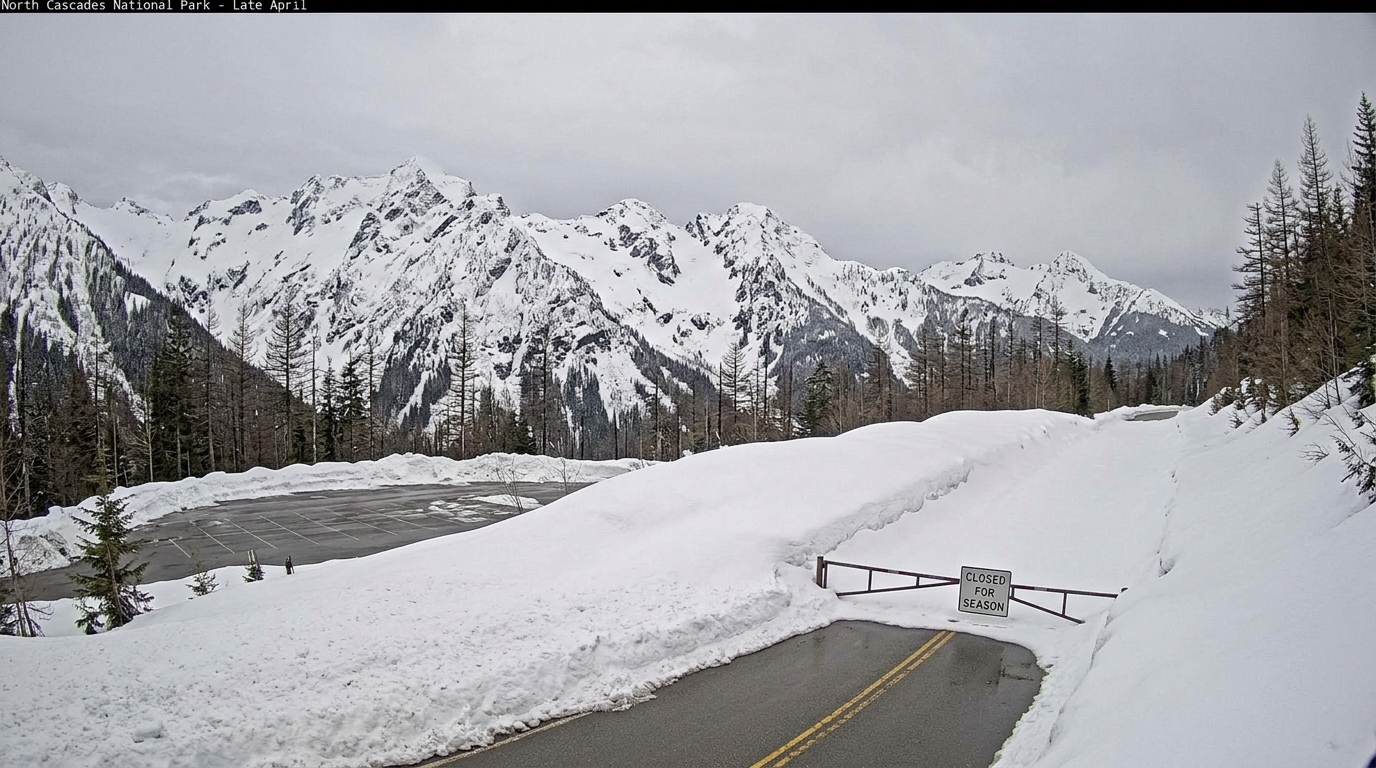
Heavy winter snowfall buries the region for most of the year, keeping major routes and remote trailheads locked behind seasonal gates until the spring thaw is well underway. Visitors cannot rely on standard year-round park infrastructure here because North Cascades National Park is mostly rugged wilderness with very limited commercial services, gas stations, or large visitor centers inside park boundaries.
Because the park is split into distinct units and surrounded by national forest lands, travelers must understand that a trip requires self-sufficiency. Cell phone coverage is notoriously unreliable across deep river valleys and high mountain passes, which means maps and reservations must be sorted out before leaving civilization behind. The geography creates a massive barrier to spontaneous travel, meaning anyone arriving outside the core warm-weather months will encounter locked gates and impassable backcountry routes.
Summer: The Prime Months for Full Access
July and August provide the most reliable weather window for full road access and completely melted hiking trails across North Cascades National Park.
During these warm summer months, daytime temperatures are usually pleasant for exploring the backcountry, and major routes like State Route 20 remain open without winter closure interruptions. Travelers can safely tackle high-elevation alpine paths that are otherwise buried in dangerous snowpack during spring and early summer, allowing hikers to reach famous overlooks and remote lakes without specialized mountaineering gear.
Summer also brings vibrant alpine meadows filled with blooming wildflowers, adding incredible color to the rugged granite peaks and hanging glaciers. However, this peak window attracts many outdoor enthusiasts to the region, creating busy trailheads on weekends and requiring early morning arrivals for parking at popular spots like Maple Pass or Cascade Pass. Visitors should prepare for high-altitude sun exposure, biting insects in forested areas, and the reality that mountain weather can change instantly from a clear morning blue to a chilly afternoon thunderstorm.
Fall Colors and Larch Season in September and October
September and October bring a brief, highly popular autumn season defined by golden larch needles and striking fall foliage across North Cascades National Park.
Photographers and hikers flock to the mountains during this short window to witness native larch trees turn a brilliant golden yellow before dropping their needles for the winter. This annual botanical show transforms entire hillsides into glowing amber landscapes that contrast sharply against dark evergreens and jagged grey rock walls.
However, this colorful period is fleeting, as freezing temperatures and early autumn snowstorms can arrive rapidly and close high-altitude mountain passes without much advance notice. Travelers hoping to catch the peak larch color must monitor weather reports closely because the exact timing shifts slightly every year based on early autumn frosts and precipitation patterns. Furthermore, daylight hours shrink rapidly during October, leaving less time for long backcountry excursions and requiring hikers to carry headlamps and extra warm layers.
Practical Downsides and Weather Risks to Watch For
Travelers must prepare for sudden weather shifts, chilly night temperatures, and potential wildfire smoke that frequently impacts the Pacific Northwest during late summer.
Even in August, mountain storms can drop temperatures quickly, bringing unexpected rain or sleet to hikers who packed only light summer clothing. Additionally, severe regional wildfires during dry summer months can produce heavy smoke that ruins mountain views and makes breathing difficult during strenuous outdoor activities, sometimes forcing trail closures for safety.
Navigating the steep, winding mountain roads also presents a challenge for drivers who are unaccustomed to sheer drop-offs and narrow highway shoulders without guardrails. Wildlife encounters, including black bears and mountain goats, require proper food storage and respectful distances to keep both visitors and animals safe in the backcountry. For travelers interested in exploring other remote mountain environments, reading about ideal seasons to explore high-elevation Nevada can offer helpful seasonal travel perspectives.

Road Closures and Facilities: What to Check Before You Go
Visitors should always consult official resources like the National Park Service website to verify current road conditions, fire restrictions, and seasonal gate closures before starting their journey.
Because cellular service is extremely limited or entirely absent throughout much of North Cascades National Park, downloading offline maps and checking official updates beforehand is essential for a safe trip. Knowing whether State Route 20 is fully open or restricted due to avalanche danger or road maintenance will save travelers hours of unexpected backtracking.
Gas stations and grocery stores are few and far between once travelers enter the mountain corridor, making it vital to fill up tanks and stock up on supplies in gateway towns like Sedro-Woolley or Winthrop. National Park Service rangers manage ranger stations at Newhalem and the North Cascades Visitor Center in Stehekin or Glacier, where visitors can pick up physical maps, ask about trail conditions, and check backcountry permit rules. Taking time to review these official details ensures a smooth journey through one of America’s most rugged and rewarding alpine environments.
Frequently Asked Questions
When is the absolute best time to visit North Cascades National Park?
July and August are the absolute best months to visit because snow has mostly melted and roads are fully open.
Can I visit North Cascades National Park in the winter?
Winter access is extremely limited because heavy snow forces the closure of State Route 20 and most park facilities.
When do the fall colors and larch trees change color?
Golden larch trees and fall foliage peak during late September and early October, though the exact timing varies by year.
Are there visitor centers and food services inside North Cascades National Park?
Commercial services, food stops, and visitor centers are very limited inside the park, so visitors should bring their own supplies.
Is wildfire smoke a big problem in the summer?
Late summer in the Pacific Northwest frequently experiences wildfire smoke that can obscure mountain views and affect air quality.
What should I pack for a summer trip to North Cascades National Park?
Pack layers for changing weather, sturdy hiking boots, rain gear, and plenty of food and water for remote areas.
Do I need a permit to hike or camp in the park?
Day hiking is generally free, but overnight backcountry camping requires a permit managed through the National Park Service reservation system.
Disclaimer: Mountain weather and road conditions change rapidly. Always verify current status and regulations from official sources before your trip.

I’m Muhammad Ubaid, founder of YBR Magazine. I research and write detailed guides on America’s National Parks — covering entry fees, permits, best times to visit, and planning tips — using official NPS sources and up-to-date information.