


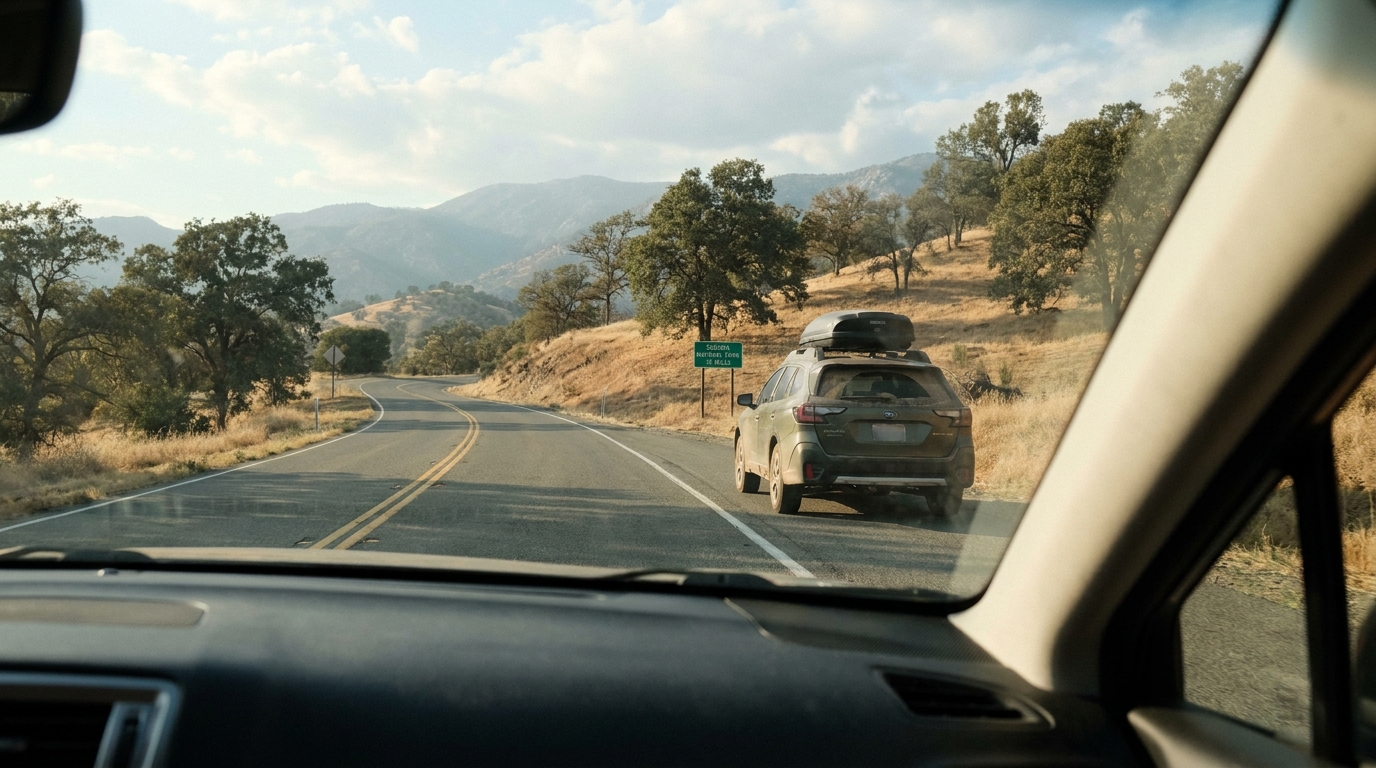
Sequoia National Park is home to some of the largest trees on Earth, and it is one of the most rewarding road trips you can take from the Bay Area. The park sits in the southern Sierra Nevada, and the journey takes you from busy city streets through the wide farmland of the Central Valley and up into cool mountain forest. This guide covers how far the trip is, which routes to take, what it costs, how to go without a car, and what to see once you arrive, so you can plan the whole thing in one place.
How Far Is Sequoia National Park From San Francisco?

The road distance from San Francisco to Sequoia National Park is roughly 250 to 280 miles, which is about 400 to 450 kilometers. The exact number changes depending on your starting point in the city, your route, and which part of the park you are heading for. Most trip calculators put the drive at about 4 hours 45 minutes to a little over 5 hours without long stops. Some estimates run closer to 5.5 hours when traffic is heavy, so it is wise to plan for the longer end of that range.
Because the numbers vary from one source to another, treat any single figure as a guide instead of a promise. The biggest delays usually happen in the Bay Area at the start of the trip and around Fresno or Visalia later on. Leaving early in the morning, ideally before 7 a.m., helps you avoid both. It also gives you more daylight in the park, which matters because the last stretch of road is slow and winding.
The Best Driving Routes
Most drivers leave San Francisco on I-580 heading east across the Altamont Pass, and then join I-205 and I-5 or CA-99 to travel south through the Central Valley. Both I-5 and CA-99 lead toward the Fresno and Visalia area, and the choice between them is mostly about the kind of driving you prefer. I-5 has fewer towns and fewer curves, so it feels steady and smooth. CA-99 passes through more cities, which means more places to stop for food, fuel and restrooms.
From there, the two main entrances to the parks are quite different. If you take CA-198 east through Visalia and the small town of Three Rivers, you arrive at the Ash Mountain Entrance in Sequoia National Park. This is the entrance most visitors use for the Giant Forest area, and it is the one you will use if you are staying in Three Rivers. The other choice is CA-180 east from Fresno to the Big Stump Entrance at Kings Canyon National Park, which puts you near Grant Grove and lets you reach Sequoia from the north along the Generals Highway.
Your vehicle size matters when you pick between them. The National Park Service advises vehicles longer than 22 feet to enter through the Big Stump Entrance on Highway 180 instead of using the steeper Generals Highway from the south. The Ash Mountain entrance page also warns that vehicles longer than 24 feet are not advised on the narrow, winding road between the Foothills Visitor Center and Potwisha Campground. If you are driving a large RV or towing a trailer, plan your route around these limits before you leave home.
What to Expect Once You Enter the Park

After you pass the Ash Mountain Entrance Station, the road becomes narrow and twisty. The Foothills Visitor Center is about one mile beyond the gate, and it is generally open year-round with trip information, maps and a small park store. The giant sequoia groves begin roughly 45 minutes past the entrance station, so allow real time for the climb even though the distance on the map looks short. In summer, the single entrance booth on this two-lane road can create long lines, especially on weekends.
Fuel is worth planning ahead. There are no gas stations inside the park boundaries, although limited and seasonal stations exist on nearby national forest land. Fill your tank in Visalia or Three Rivers before you head up the mountain, and bring water and snacks as well. Food choices inside the park are limited compared with the gateway towns.
Entrance Fees and Passes
Sequoia and Kings Canyon are managed together by the National Park Service as one unit, so a single pass covers both parks. The standard private vehicle fee has been $35, and it is valid for up to seven days for everyone in the vehicle. The same pass also covers the Hume Lake District of Sequoia National Forest and Giant Sequoia National Monument. Fees can change, so confirm the current amount on the official park website before you go.
Since January 1, 2026, non-U.S. residents aged 16 and older must pay an extra $100 per person on top of the standard entrance fee, unless they hold an annual pass. A new $250 America the Beautiful Non-Resident Annual Pass is also available. Holders of valid America the Beautiful passes, including annual, senior, access and military passes, do not need to buy a separate site pass. You can pay at the entrance station, or buy a digital pass ahead of time on Recreation.gov.
Going Without a Car: Trains, Buses and Shuttles
There is no direct bus or train from San Francisco to Sequoia National Park, so a trip without a car needs planning and patience. Travel sites estimate that a combined BART, train and bus journey takes about 10 hours or more, with transfers. The usual approach is to reach Visalia by Amtrak and connecting bus, since the nearest Amtrak station to Visalia is in Hanford, and then continue from Visalia into the park.
The Sequoia Shuttle is the easiest final leg. It is run by the City of Visalia and picks up from Visalia hotels and a few other stops, then drops riders at the Giant Forest Museum. The ride from Visalia to the park gate takes about 45 minutes, and it takes about another 45 minutes from the Foothills Visitor Center to the museum. In 2026 the shuttle ran from May 21 to September 7 for $15 round trip, and reservations were required. The season generally follows the summer months from Memorial Day weekend through Labor Day, so check the Sequoia Shuttle website for next year’s dates before you plan around it.
Once you are in the Giant Forest area, free in-park shuttles connect the main attractions during the busy season. These run separately from the Visalia shuttle and do not need a reservation. They are especially useful on summer weekends, when the road to Moro Rock and Crescent Meadow is closed to private vehicles.
Top Things to See in Sequoia National Park
The General Sherman Tree is the main reason many people make this trip. It is the largest tree in the world by volume, and the paved trail to it is about half a mile long, which makes it a good first walk after the long drive. From the same trailhead you can join the Congress Trail, an easy paved two-mile loop that leads deeper into the sequoia grove. The Giant Forest Museum is a helpful first stop as well, because its exhibits explain the natural history of giant sequoias before you see them in person.
Moro Rock is a granite dome that rises above the Generals Highway, and a stone and concrete stairway of nearly 350 steps leads to the top. The summit sits at about 6,725 feet and rewards you with wide views over the forest and the Sierra Nevada. The climb is short but steep, so take your time and bring water.
Not far from Moro Rock is Tunnel Log, a fallen sequoia that was carved into a road tunnel, and people have been driving through it since 1935. The opening is about 8 feet high, and taller vehicles can use a bypass. Parking is tight, so arrive early or come back later if the turnouts are full. Beyond it, the Crescent Meadow Trail is a flat 1.5-mile loop that is ideal for photos and a relaxed walk, especially in the morning light. Wildlife, including black bears, is sometimes seen around the meadows, so keep a safe distance and store your food properly.
How Many Days Do You Need?
You can visit Sequoia in a single long day from San Francisco, but the driving will take up most of it. A better plan is two or three days, which gives you time to see the main sights without rushing and to try a longer hike. Many travelers stay overnight in Three Rivers, which is the closest gateway town to the Ash Mountain Entrance, or in Visalia. The only hotel inside Sequoia National Park is Wuksachi Lodge, so book early if you want to sleep among the trees.
A third day makes it easy to add Kings Canyon National Park, which is next door and connected by the Generals Highway. Kings Canyon offers deep granite canyon walls and usually feels a little less crowded than Sequoia. Some travelers also combine the trip with Yosemite. The drive from Yosemite’s Wawona entrance to Sequoia’s Ash Mountain entrance is about 135 miles and takes roughly two and a half hours without stops.
Best Time to Visit and Road Safety
Summer gives you the fullest access, with all park roads and services open, but it is also the busiest season. Weekends can bring long entrance lines and crowded parking, so weekdays and early mornings are calmer. The foothill area near Ash Mountain can be hot and dry in summer, while the higher Giant Forest area is cooler.
Winter is beautiful but demands more preparation. Snow can close parts of the Generals Highway between Sequoia and Kings Canyon for a few months, and you may not be able to travel between the two parks without driving back down to the foothills. Tire chains are often required on park roads in winter, so carry them and know how to fit them. Wildfire has also affected the region in recent years, so it is smart to check fire and trail information before you leave.
Quick Planning Checklist
Check current road conditions by calling the park at (559) 565-3341 or visiting the National Park Service website on the day you travel. Fill your fuel tank before entering the park, and download offline maps because signal can be unreliable in the mountains. Bring layers, since temperatures change quickly with elevation, and carry plenty of water. Finally, leave early, because the winding road and the summer lines at the gate can easily add an hour to your day.
Final Thoughts
The trip from San Francisco to Sequoia National Park takes about five hours by road, and it opens the door to one of the most memorable forests in the world. With a little planning around your route, your vehicle size, the season and your entrance pass, the journey becomes simple instead of stressful. Whether you drive yourself, ride the Sequoia Shuttle from Visalia, or turn the trip into a longer California loop, standing beneath the giant sequoias is well worth the miles.
Disclaimer: This article is for general information only. Drive times, distances, fees, shuttle schedules, road access and park rules can change because of weather, wildfire, construction and policy updates. Always check the official Sequoia and Kings Canyon National Parks website or call the park directly before you travel, and confirm prices and schedules with the official providers.
Explore More
Doi Inthanon National Park: Complete Travel Guide to Thailand’s Highest Peak

I’m Muhammad Ubaid, founder of YBR Magazine. I research and write detailed guides on America’s National Parks — covering entry fees, permits, best times to visit, and planning tips — using official NPS sources and up-to-date information.

