

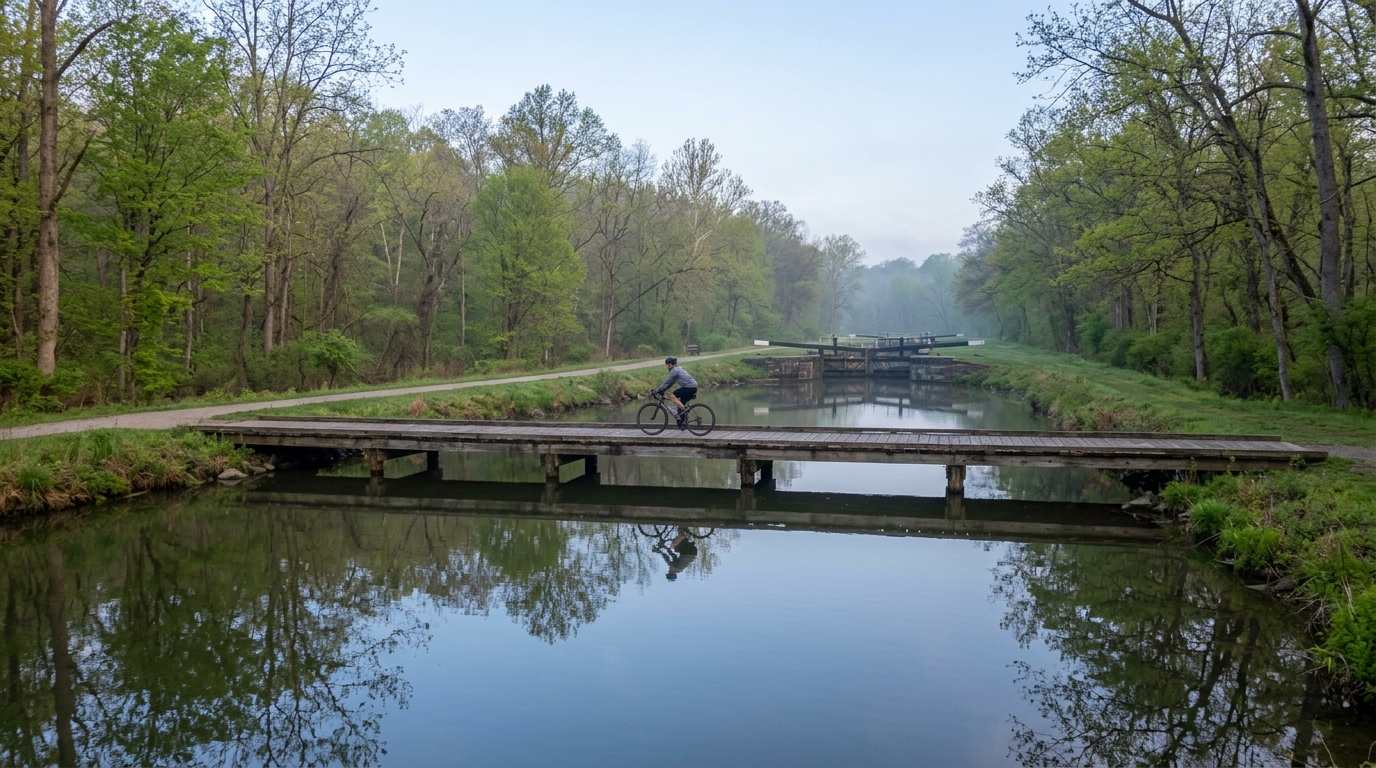
Planning a trip to a protected natural space can feel tricky when it sits right between two busy metropolitan hubs. Visitors often wonder how to balance deep nature walks with nearby city convenience. A well-crafted Cuyahoga Valley National Park itinerary helps travelers see the best spots without spending hours stuck in traffic or driving in circles.
Linear Geography Between Cleveland and Akron
Knowing the long and narrow shape of Cuyahoga Valley National Park between Cleveland and Akron helps visitors plan their daily routes without getting lost.
The park stretches north to south along the winding Cuyahoga River. Because of this linear design, travelers usually move from one end to the other rather than staying in a single central hub. Roadways run parallel to the river and historic canal systems, making car travel essential for most visitors. Understanding this geography prevents unexpected delays when moving between trailheads and historic sites.
Unlike massive wilderness parks out west, this protected area sits right against residential neighborhoods and busy state routes. Drivers must watch for local commuter traffic during morning and evening rush hours. The park boundaries weave past private properties, golf courses, and commercial streets. This blending of urban and natural environments means visitors can easily transition from a quiet forest path to a local coffee shop within minutes.
Structuring Daily Schedules Across the Valley
Building a solid daily schedule means picking a few anchor locations each day instead of trying to see every single landmark at once.
A standard two-day plan usually starts in the northern section near major gorge overlooks and moves southward toward historic village sites and wide river valleys. Visitors should group nearby attractions together to minimize driving time. Morning hours are best for popular viewpoints before parking lots fill to capacity. Afternoon slots work well for leisurely walks along the canal or riding the heritage railway.
On your first day, focus on the northern highlights including major waterfalls and prominent rock formations. Day two can center on the southern portions, where flat walking paths and open farmlands offer a completely different pace. Splitting your time evenly prevents traveler fatigue and allows for unexpected weather shifts. Keep a flexible mindset because sudden Midwest rain showers can temporarily close dirt paths.
Navigating Popular Waterfalls and Ravines
Exploring the most famous waterfalls and hiking paths requires early arrivals because parking spaces at top attractions fill up very fast on weekends.
Brandywine Falls stands out as the most visited waterfall in the park, featuring a large wooden boardwalk that gives visitors a clear view of the rushing water. Visitors should watch out for slippery wooden steps after rain and limited vehicle stalls in the main parking lot. For hikers wanting a longer walk, the nearby gorge trails offer a closer look at the shale ravines and dense forest canopy.
Visitors should also explore secondary trails like the Ledges area if the main parking lots become entirely full. Early morning treks provide cooler temperatures and quiet surroundings before large tour groups arrive. Always wear sturdy footwear because exposed tree roots and damp clay soils can cause slips on steeper grades. Carrying plenty of water and insect repellent ensures a comfortable journey through the shaded valley floors.
Coordinating Train Rides and Historic Stops
Riding the historic train provides a unique way to view the valley without worrying about vehicle traffic or parking spaces.
The Cuyahoga Valley Scenic Railroad runs vintage passenger cars through the heart of the protected lands, letting passengers hop on and off at designated stations. Travelers must check the official schedule and ticket rules ahead of time because departure times and boarding locations change throughout the year. For travelers interested in nearby historic overnight stays, visitors can explore options like the Stanford House Cuyahoga Valley National Park accommodations for a deeper heritage experience.
Planning a train excursion requires coordination with your hiking schedule, especially if you plan to ride one way and hike back. Ticket prices vary depending on the class of service and special themed events held throughout the year. Advance reservations are strongly recommended during peak autumn foliage months when seats sell out weeks ahead. Check with railway staff regarding current bicycle boarding rules if you intend to cycle part of the route.
Managing Park Rules and Practical Limitations
Following park regulations ensures a safe visit and protects the delicate local ecosystem from unintended damage.
According to the National Park Service, entrance to Cuyahoga Valley National Park is free, though certain special programs or train rides require paid tickets. Pets are welcome on many designated trails, but owners must keep dogs on physical leashes at all times and clean up all waste. Visitors should also watch out for seasonal mud, sudden summer thunderstorms, and ticks in tall grass areas. Checking official park alert pages before arrival helps travelers avoid unexpected trail closures or construction delays.
Parking limitations represent one of the most common practical hurdles for unprepared visitors. Popular lots often reach maximum capacity by mid-morning on sunny weekends, forcing drivers to wait or pivot to alternative trailheads. Cell phone service can also be spotty in deep ravines, so downloading offline maps before you arrive is always a smart precaution. Respecting wildlife and staying on marked paths protects both you and the natural habitats.
Frequently Asked Questions About Visiting Cuyahoga Valley
How many days do you need for Cuyahoga Valley National Park?
Most visitors find that two full days are enough to see the major waterfalls, walk key trails, and ride the scenic train without feeling rushed.
Is there an entrance fee for Cuyahoga Valley National Park?
No, admission to the park is free for everyone, though fees apply for special events and train excursions.
Can I bring my dog on the trails?
Yes, dogs are allowed on many trails and towpaths as long as they stay on a leash no longer than six feet at all times.
When is the best time of year to visit?
Spring and autumn offer mild weather and beautiful seasonal foliage, while summer brings lush green forests and warm hiking conditions.
Where should I park if lots are full?
If popular lots like Brandywine Falls are full, visitors should move to alternative trailheads nearby and wait for a turnover or try visiting during early morning hours.
Are there food options inside the park?
Dining options inside the park are limited, so visitors often pack picnic lunches or stop at nearby roadside towns for meals.
Disclaimer: Park rules, trail hours, and train schedules can change. Always verify current details from official sources before starting your trip.

I’m Muhammad Ubaid, founder of YBR Magazine. I research and write detailed guides on America’s National Parks — covering entry fees, permits, best times to visit, and planning tips — using official NPS sources and up-to-date information.