

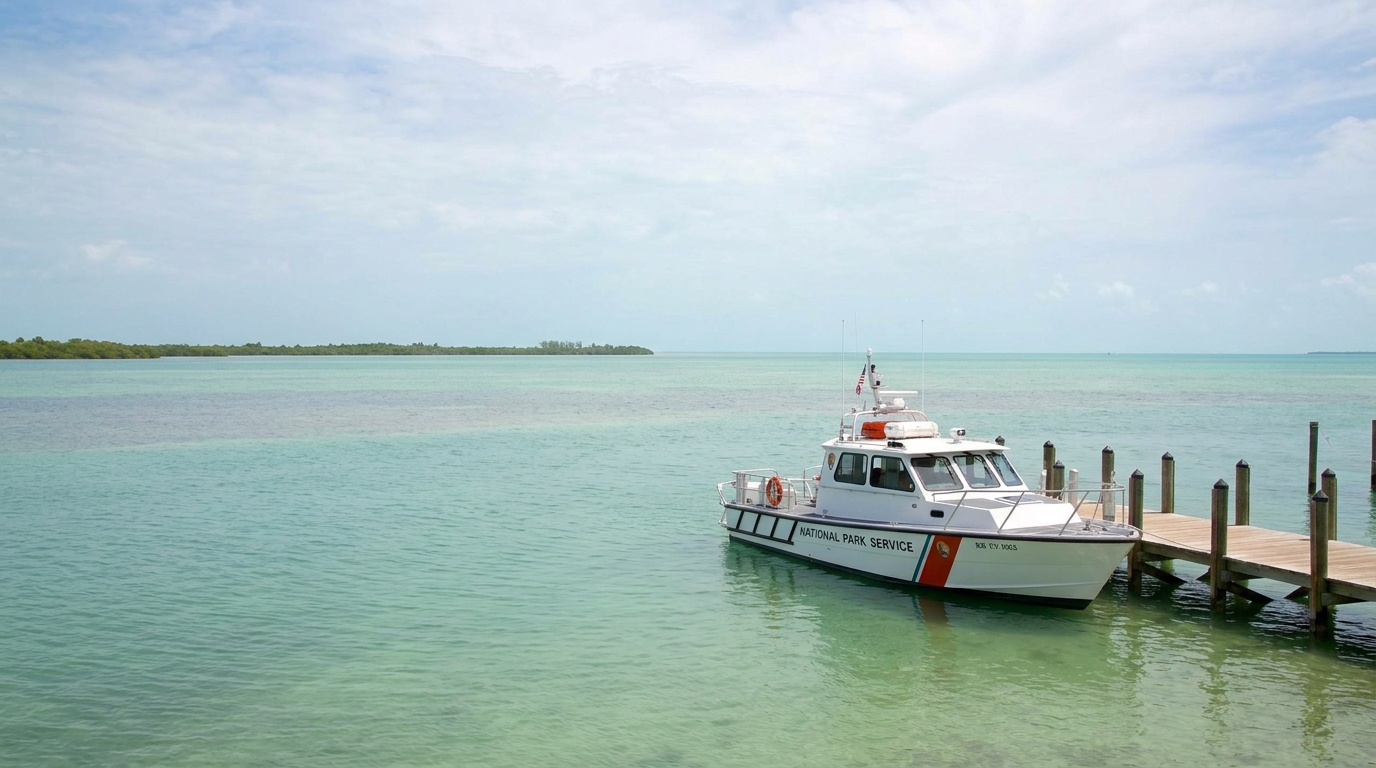
Planning a day trip to Biscayne National Park requires a completely different mindset than visiting almost any other national park in the United States. While most parks invite travelers to drive through mountain passes or hike along forested dirt paths, Biscayne National Park is about 95 percent water. Visitors cannot simply hop in a car and cruise from sight to sight across the landscape. Instead, exploring Biscayne National Park means navigating the Atlantic Ocean, riding on commercial vessels, and managing marine logistics.
The Distinctive Reality of Biscayne’s Marine Wilderness
A day trip to Biscayne National Park revolves entirely around open water, vibrant coral reefs, and protected keys rather than traditional land-based trails. Travelers quickly realize that the land portion of the park is quite small, consisting primarily of the visitor center and a narrow stretch of coastal mangroves. The real heart of Biscayne National Park lies offshore, meaning guests must venture onto or into the sea to truly experience what the area offers.
Because the park is so aquatic, daily schedules depend heavily on organized boat excursions, ferry services, or private watercraft. First-time visitors often expect standard park amenities right off the highway, but the remote marine environment requires a shift in expectations. Understanding this watery layout helps travelers prepare for the unique rhythm of coastal South Florida.
Reaching the Dante Fascell Visitor Center Base in Homestead
The Dante Fascell Visitor Center serves as the mainland starting point for nearly every visitor planning a day trip to Biscayne National Park. Located in Homestead, Florida, this visitor center provides exhibits, park information, and access to the Convoy Point shoreline. Visitors can easily drive here from Miami or the Upper Keys, making it an accessible gateway before heading out onto the water.
Once travelers arrive at the Dante Fascell Visitor Center, they can check in for pre-booked tours, speak with park rangers about current marine conditions, and enjoy views of Biscayne Bay. Parking is generally straightforward here, but spaces can fill up quickly during peak winter and spring weekends. Arriving early gives guests time to explore the indoor exhibits and get their bearings before any scheduled boat departures.
Navigating Commercial Tours and Island Boat Excursions
Visitors must rely on authorized boat tours, guided snorkeling trips, or private watercraft to explore the reefs, islands, and historic lighthouses of Biscayne National Park. Since the National Park Service does not operate public ferries to the offshore islands, guests must book excursions through official commercial operators based near the park. These tours take visitors out to iconic locations like Boca Chita Key, Elliott Key, and the outer coral reefs.
If travelers prefer an independent experience on the water, bringing a kayak or paddleboard to explore the mangrove shoreline near Convoy Point is an option. However, paddling out to the distant keys or outer reefs is dangerous for casual visitors due to strong winds, boat traffic, and open ocean currents. For a comprehensive look at island day trips in similar protected coastal environments, travelers can also read this guide on isolated ocean park logistics and planning.
Coping with Tropical Weather and Island Isolation Realities
Weather conditions can completely alter or cancel a day trip to Biscayne National Park with very little advance warning. Sudden tropical downpours, high winds, and rough seas frequently force boat operators to suspend trips to the outer reefs and islands for safety reasons. Visitors should always check marine forecasts and maintain flexible schedules in case weather systems disrupt travel plans.
Another major practical downside to keep in mind is the complete lack of food and restaurant options inside the park. There are no grocery stores, cafes, or snack bars once visitors leave the mainland visitor center. Everyone must pack all their own food and drinking water for the entire day. Additionally, biting insects like mosquitoes and no-see-ums can be intense on the islands during certain times of the year, so proper bug protection is essential.

Essential Gear and Ocean Safety Preparation
Packing correctly for a day trip to Biscayne National Park ensures travelers stay comfortable, hydrated, and safe under the South Florida sun. Because guests spend most of their time on or near salt water, standard land-hiking gear will not suffice. The following table highlights the essential items to bring along for a coastal excursion.
| Category | Recommended Items | Why It Matters |
|---|---|---|
| Hydration & Food | Plenty of drinking water and nutrient-dense snacks | No food or water is sold on the offshore islands or keys. |
| Sun Protection | Reef-safe sunscreen, polarized sunglasses, wide-brim hat | Reflections off the water intensify sunburn risks. |
| Health & Safety | Motion sickness medication, basic first aid items | Choppy ocean boat rides can easily trigger seasickness. |
| Clothing | Quick-dry layers, windbreaker, sturdy water shoes | Protects against wind, wet boat decks, and sharp coral. |
Frequently Asked Questions
Do I need to pay an entrance fee to visit Biscayne National Park?
According to the National Park Service, there is no entrance fee to enter the park or visit the Dante Fascell Visitor Center. However, visitors must pay for any commercial boat tours, ferry services, or guided excursions booked to reach the islands and reefs.
Can I drive my own car to the islands in Biscayne National Park?
No, visitors cannot drive to any of the park’s islands because there are no bridges connecting the mainland to the keys. All travel to places like Elliott Key or Boca Chita Key requires a boat.
Are there restaurants or stores inside Biscayne National Park?
There are no restaurants, grocery stores, or food kiosks anywhere inside the park boundaries beyond the mainland visitor center. Visitors must bring all their own food and drinking water.
What is the best time of year for a day trip to Biscayne National Park?
The winter and dry spring months generally offer calmer seas, lower humidity, and more reliable weather for boating and snorkeling. Summer brings high humidity, frequent afternoon thunderstorms, and a higher risk of tropical weather disturbances.
Can beginners go snorkeling during a day trip to Biscayne National Park?
Yes, authorized tour operators offer trips to shallow coral reefs that are suitable for beginners with basic swimming skills. Travelers should always follow the guidance of the tour crew and wear a flotation vest when feeling unconfident in the open water.
How far in advance should I book a boat tour?
Official boat tours and concession-operated excursions fill up weeks or even months in advance, especially during weekends and peak winter tourist seasons. Visitors should book tickets well ahead of travel dates to secure a spot.
Disclaimer: Park rules, tour schedules, and weather conditions change frequently. Always verify the latest operational updates directly from official sources like the National Park Service before finalizing travel plans.

I’m Muhammad Ubaid, founder of YBR Magazine. I research and write detailed guides on America’s National Parks — covering entry fees, permits, best times to visit, and planning tips — using official NPS sources and up-to-date information.