

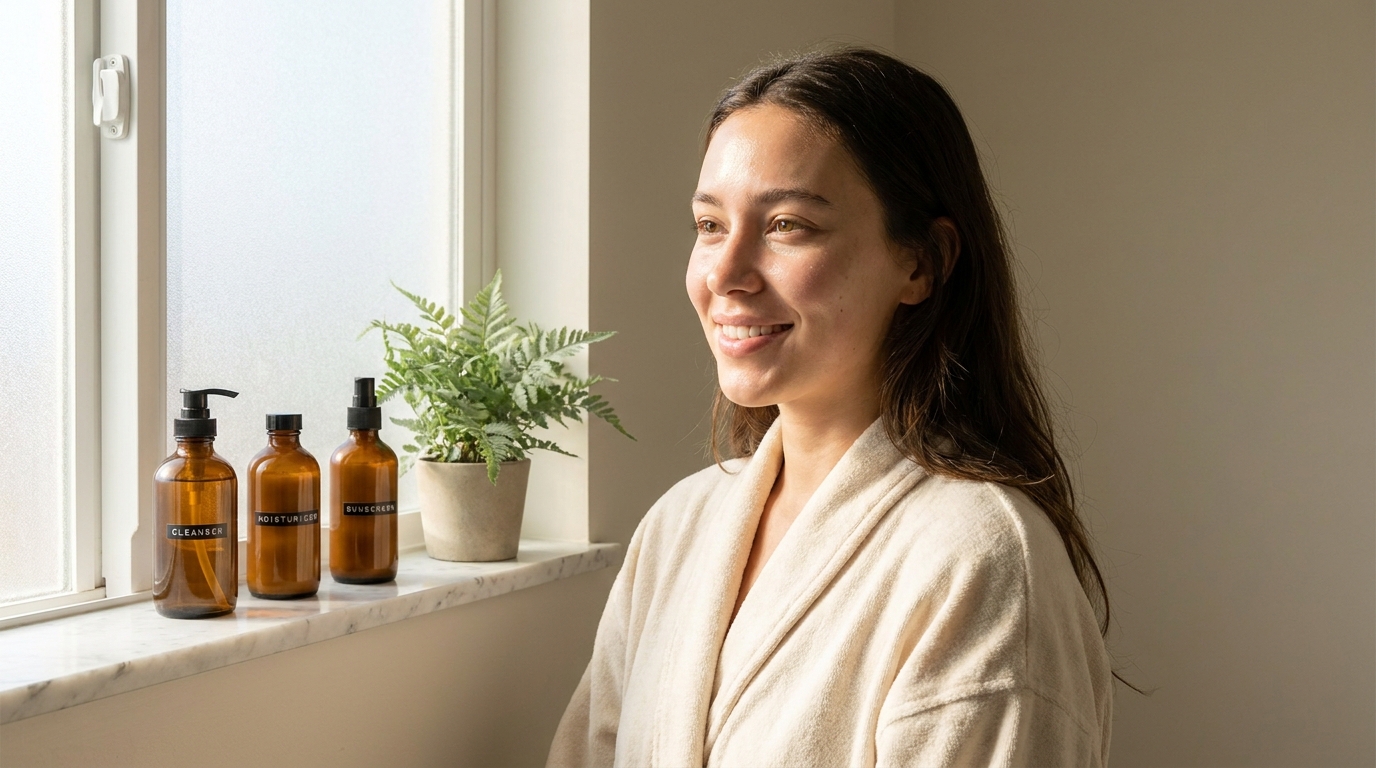
Welcome to this lifestyle wellness health beauty skin blog guide, where we look at how your daily habits and your skincare choices work together. Many people think of beauty as something they can buy in a bottle or a jar, but the condition of your skin is closely tied to how you sleep, eat, move, handle stress and protect yourself from the sun. Skin is the largest organ of the body, so it often shows the effects of what is happening inside you as well as what you put on the surface.
The most useful beauty advice therefore treats skincare as one piece of a bigger lifestyle. Cleansers, moisturizers and sunscreen matter, but they work best when your general health supports them. In this guide you will learn how skin works, which habits make the biggest difference, how to build a gentle routine, which ingredients have real evidence behind them, and when it is time to ask a professional for help.
How Your Skin Works and Why the Barrier Matters
The outer layer of your skin acts like a protective wall. It holds in water and keeps out bacteria, pollution and irritants, and it works alongside the rest of the skin to help control body temperature. When this barrier is in good shape, your skin feels smooth and comfortable. When it is weakened by harsh cleansers, too much exfoliation, hot water, dry air or sunburn, you may notice tightness, flaking, redness, stinging and more frequent breakouts.
Skin types are usually grouped as normal, dry, oily, combination and sensitive, but your type is not fixed. Hormones, age, seasons, climate and even stress can shift how your skin behaves, so it makes sense to check in with it every few months. One easy test is to wash your face with a mild cleanser and leave it bare for about an hour. If it feels tight, it leans dry. If it looks shiny all over, it leans oily. If only your forehead and nose are shiny, it is probably a combination type.
Lifestyle Habits That Shape Your Skin

Sleep
Sleep is one of the most overlooked parts of a beauty routine. The Centers for Disease Control and Prevention advises adults to get at least seven hours of sleep per night, and the body does much of its repair work while you rest. Long periods of poor sleep can leave your skin looking dull and can make under-eye circles and puffiness more obvious. A steady bedtime, a cool and dark bedroom and less screen time before bed are simple changes that help both your rest and your complexion.
Food
No single food will transform your skin, but your overall eating pattern counts. A diet built around fruits, vegetables, whole grains, beans, nuts, seeds and fish gives your body the vitamins, minerals, fiber and healthy fats it needs. Colorful produce supplies antioxidants such as vitamin C and carotenoids, and oily fish such as salmon and sardines provide omega-3 fats that support general health.
Some studies link diets high in refined carbohydrates and sugary foods with more acne in certain people, although the evidence is not the same for everyone. Food triggers also vary from person to person, so paying attention to your own patterns is more helpful than following strict food rules. If you suspect a particular food is causing breakouts, a registered dietitian or dermatologist can help you test the idea safely.
Water
Staying hydrated is good for your overall health, and mild dehydration can make skin look tired. Even so, drinking extra water will not fix dry skin by itself, because dryness mostly depends on how well your skin barrier holds on to moisture. A practical approach is to drink fluids regularly through the day and to use a moisturizer that helps your skin keep the water it already has.
Exercise
The World Health Organization recommends that adults aim for at least 150 minutes of moderate-intensity physical activity each week. Exercise is not a skin treatment, but it supports sleep, mood and circulation, and those benefits often show in how rested and healthy you look. Cleanse your face and change out of sweaty clothes soon after a workout, because sweat mixed with oil and dirt can clog pores on the face, chest and back.
Stress
Stress triggers the release of hormones such as cortisol, and it is known to worsen conditions like acne, eczema and psoriasis in many people. It can also push you toward habits that harm your skin, such as sleeping badly, picking at spots and skipping your routine. Walking outdoors, stretching, deep breathing, journaling, meditation and time with people you trust can all help. The best stress tool is the one you will actually keep using, so choose something that fits your real life.
A Simple Skincare Routine That Works

You do not need ten steps or expensive products to look after your skin. Dermatologists generally agree that three basics do most of the work: gentle cleansing, moisturizing and daily sun protection. Extra treatments are worth adding only when your skin has a specific need.
In the morning, wash with a gentle cleanser, or just rinse with water if your skin is dry or sensitive. You can then apply an antioxidant serum such as vitamin C, follow with a moisturizer that suits your skin type, and finish with sunscreen. Sunscreen is the step you should never skip.
In the evening, your main goal is to remove sunscreen, makeup and the day’s buildup. If you wear makeup or water-resistant sunscreen, a double cleanse can help, which means using an oil or balm cleanser first and a mild water-based cleanser second. After that, apply any treatment product, such as a retinoid, and seal everything in with moisturizer. Evening is the best time for retinoids because they can make skin more sensitive to sunlight.
Sun Protection: The Most Powerful Anti-Aging Step
Ultraviolet radiation from the sun is the leading outside cause of premature skin aging, including wrinkles, dark spots and rough texture, and it is also the main cause of skin cancer. The American Academy of Dermatology recommends a broad-spectrum, water-resistant sunscreen with an SPF of 30 or higher on all exposed skin. Broad-spectrum means it protects against UVA rays, which contribute to aging, and UVB rays, which cause sunburn.
Apply sunscreen generously, and reapply about every two hours when you are outside, and again after swimming or heavy sweating. Shade, wide-brimmed hats, sunglasses and protective clothing add useful extra cover. UVA rays can pass through clouds and window glass, so wearing sunscreen daily is a better habit than using it only on sunny days.
Skincare Ingredients With Good Evidence Behind Them
The skincare aisle can feel overwhelming, so it helps to know which ingredients have proven benefits.
Retinoids, which are derived from vitamin A, are among the best-studied ingredients for acne and visible aging because they speed up cell turnover and support collagen. Begin with a low strength two or three nights a week to limit irritation, and speak to your doctor before using them if you are pregnant or planning a pregnancy.
Niacinamide, a form of vitamin B3, helps support the skin barrier and can calm redness and reduce the look of enlarged pores. It is usually well tolerated, which makes it a good starting point for beginners.
Hyaluronic acid attracts water to the skin’s surface and works best on slightly damp skin, followed by a moisturizer to hold the water in.
Ceramides are natural fats found in the skin barrier. Moisturizers containing them can ease dryness and are often recommended for sensitive and eczema-prone skin.
Salicylic acid can enter pores and help clear oil, so it is a popular choice for blackheads and mild acne.
Vitamin C is an antioxidant that can help brighten skin and protect it from damage caused by environmental stress, especially when worn under sunscreen in the morning.
Whenever you try something new, introduce only one product at a time and patch test it on a small area, such as the inner forearm or behind the ear, for a few days. That way, you will know exactly what caused a reaction if one appears.
Common Mistakes That Hold Skin Back
The most common mistake is doing too much. Layering several strong actives, scrubbing hard or exfoliating every day can damage the barrier and cause redness, burning and extra breakouts. Washing your face with very hot water has a similar effect because it strips away natural oils.
People with oily skin often skip moisturizer, but oily skin still needs hydration, and light gel or lotion formulas suit it well. Sleeping in makeup, touching your face often, sharing towels and squeezing pimples can all make problems worse and may leave marks or scars. Smoking is also strongly linked to early wrinkles and a dull complexion, so quitting is one of the best things you can do for your skin and your health overall.
Building Habits That Last
Healthy skin develops slowly, and consistency matters more than any single product. Skin cells take roughly a month to renew, and this process slows as we age, so give a new routine at least six to eight weeks before deciding whether it works. Wash pillowcases and towels regularly, clean your phone screen and makeup brushes, and throw away products that have passed their expiry date.
Your mindset matters too. Social media is full of filtered and edited images, but real, healthy skin has pores, texture and natural variation. Aim for skin that feels comfortable, protected and cared for, instead of skin that looks perfect in every photo.
When to See a Dermatologist
Home care helps with many everyday concerns, but some signs need professional attention. Book an appointment if you have acne that is painful, deep or leaving scars, a rash that does not improve, or skin that stays itchy, inflamed or flaky. You should also have any mole or spot checked if it changes in size, shape or color, bleeds, or looks different from your other moles. Catching skin cancer early greatly improves treatment results, so regular skin checks are worth your time.
Frequently Asked Questions
How long does it take to see results from a new skincare routine?
Most people need six to eight weeks to judge a routine fairly, and treatments like retinoids can take three months or more to show their full effect.
Do I need a different routine for oily, dry and sensitive skin?
The steps stay the same, but the products change. Oily skin usually prefers gel textures, dry skin benefits from richer creams with ceramides, and sensitive skin does best with fragrance-free, minimal formulas.
Is expensive skincare better than affordable skincare?
Not necessarily. Price does not guarantee quality, and many budget cleansers, moisturizers and sunscreens perform very well. Look at the ingredients and how your skin responds instead.
Can I get glowing skin without makeup or treatments?
Yes, in many cases. Good sleep, balanced meals, daily sunscreen and a gentle routine often improve how skin looks and feels, even though they will not change your natural skin type or genetics.
Final Thoughts
Glowing skin is the result of balanced habits, not one miracle product. Sleep well, eat a varied diet, stay active, manage stress, protect your skin from the sun every day and keep your routine gentle and simple. When you treat lifestyle, wellness, health and beauty as connected parts of the same whole, your skin is far more likely to look and feel its best over time.
Disclaimer: This article is for general information and education only and is not medical advice, diagnosis or treatment. Skin conditions and reactions differ from person to person, so please consult a qualified doctor or dermatologist before starting new skincare products, supplements or health routines, especially if you are pregnant, breastfeeding, taking medication or living with a skin condition. Do not ignore or delay professional medical advice because of anything you have read here.
Explore More

I’m Muhammad Ubaid, founder of YBR Magazine. I research and write detailed guides on America’s National Parks — covering entry fees, permits, best times to visit, and planning tips — using official NPS sources and up-to-date information.

