


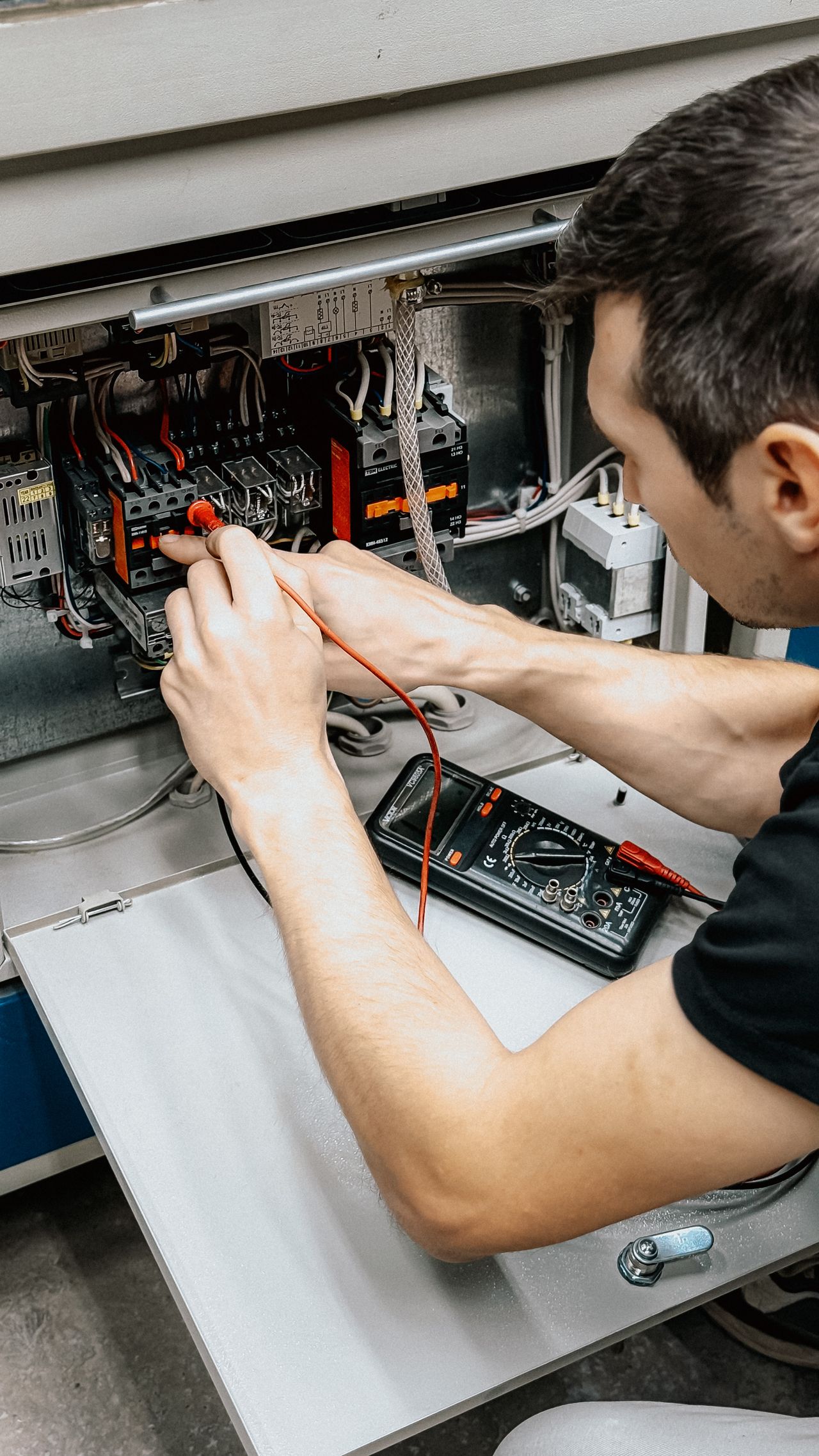
Choosing a reliable Barnes Electrician can help homeowners address electrical faults, improve household safety, and plan upgrades that suit modern living. In Putney and the surrounding areas of southwest London, properties range from older terraced houses and converted flats to contemporary apartments, each with its own electrical requirements. Understanding how to maintain these systems, recognise potential hazards, and arrange professional repairs can help property owners protect their homes while keeping everyday life running smoothly.
Electrical installations are easy to overlook when everything appears to be working normally. However, worn accessories, outdated wiring, and overloaded circuits may develop problems over time. Whether you are preparing for a renovation, experiencing an unexplained power interruption, or looking to improve energy efficiency, a considered approach to electrical maintenance can make a meaningful difference.
1. Understanding the Electrical Needs of Homes in Putney
Putney’s varied housing stock creates a wide range of electrical requirements. Older properties may have been modified several times, while newer developments often include electrical systems designed around contemporary appliances and technology.
In a period home, an electrician may need to assess the condition of existing wiring, the suitability of the consumer unit, and the number of available circuits. In a modern flat, the priority might be installing additional lighting, resolving a faulty socket, or accommodating new kitchen appliances.
Homeowners should also consider how their needs may change over time. A growing family, a home office, or an extension can increase electricity demand and create a need for additional outlets or circuits.
Before starting any work, it is helpful to identify the property’s current limitations and the improvements that would provide the greatest practical benefit. A professional assessment can establish which changes are necessary and which are optional, helping homeowners make informed decisions about cost and safety.
2. Recognising Electrical Faults Before They Become Serious
Electrical faults can appear gradually, and early symptoms are not always obvious. Paying attention to unusual behaviour can help residents identify problems before they lead to equipment damage or more significant safety concerns.
Warning signs to look out for
Common indicators include:
- Repeated circuit breaker trips: These may result from an overloaded circuit, a faulty appliance, or damaged wiring.
- Flickering or inconsistent lighting: Possible causes include loose connections, defective fittings, or circuit faults.
- Warm electrical outlets: A socket that feels unusually hot may indicate a potentially dangerous problem.
- Burning smells or discolouration: Scorch marks, melted plastic, or a burning odour require urgent attention.
- Buzzing or crackling sounds: Unexpected noises from switches, sockets, or the consumer unit should be investigated.
- Damaged cables and plugs: Exposed conductors and deteriorating insulation can increase the risk of electric shock.
It is important not to assume that a fault has been resolved simply because an appliance starts working again. Repeatedly resetting a breaker without identifying the cause can leave an underlying problem unaddressed.
Avoid dismantling electrical fittings or attempting repairs to fixed wiring unless you have the necessary competence. If there is smoke or an immediate fire risk, move away from the affected area and contact emergency services.
3. Electrical Inspections for Safer Residential Properties
An electrical inspection provides an opportunity to assess an installation’s condition and identify defects that may not be visible during ordinary use. It can be particularly useful when buying an older property, managing a rental home, or planning significant building work.
An Electrical Installation Condition Report (EICR) records the findings of an inspection and assesses whether an installation is satisfactory for continued use. The inspection may cover wiring, earthing, bonding, circuit protection, sockets, switches, and the consumer unit.
When should homeowners arrange an inspection?
An inspection may be appropriate when:
- Purchasing a property with limited electrical records.
- Moving into an older home with uncertain wiring history.
- Experiencing recurring electrical faults.
- Planning an extension, loft conversion, or major renovation.
- Managing a rental property subject to electrical safety requirements.
In England, landlords covered by the applicable private rented sector regulations must meet specific requirements for electrical inspections and reports. Homeowners should seek advice about an appropriate inspection schedule based on the age, condition, and use of their installation.
An inspection is not a substitute for repairs. If the report identifies defects, these should be addressed by a competent professional, with relevant documentation provided for the work completed.
4. Consumer Unit Upgrades and Electrical Circuit Protection
The consumer unit distributes electricity around a property and contains protective devices intended to disconnect circuits when certain faults occur. Its condition is an important part of an installation’s overall safety.
As household electricity use increases, older systems may need an assessment to determine whether their circuits and protective devices remain suitable. Modern homes can place considerable demands on electrical installations through induction hobs, electric showers, washing machines, heating systems, and home entertainment equipment.
An electrician can inspect the existing consumer unit, assess circuit arrangements, and identify whether improvements are necessary. Depending on the installation, recommendations might involve repairing a defect, adding a circuit, or replacing outdated equipment.
Residual current devices (RCDs) provide protection by disconnecting electricity when they detect certain imbalances. Circuit breakers help protect wiring against overloads and short circuits. The appropriate combination of protective devices depends on the installation and the applicable electrical standards.
For Putney homeowners planning a new kitchen, extension, or other major improvement, discussing electrical requirements early can help avoid costly changes later. Any consumer unit replacement must be properly installed, tested, and documented by a competent electrician.
5. Lighting Design for Comfort, Practicality, and Efficiency
Good lighting improves the way a property looks and functions. A well-planned arrangement can make food preparation easier, improve visibility on staircases, and create a comfortable atmosphere in living rooms and bedrooms.
LED lighting is widely used because it generally consumes less electricity than traditional incandescent bulbs and offers a longer service life. Nevertheless, choosing the right lighting involves more than selecting energy-efficient bulbs.
Brightness, colour temperature, placement, dimming capability, and the purpose of each room should all influence the design.
Lighting improvements worth considering
Homeowners may benefit from:
- Under-cabinet lighting for kitchen work surfaces.
- Adjustable task lighting for home offices.
- Dimmable fittings for living areas and bedrooms.
- Suitable bathroom lighting designed for the relevant environment.
- Motion-sensor lights near entrances and pathways.
- Weather-resistant lighting for gardens and outdoor spaces.
Outdoor electrical installations require particular attention because fittings and cables may be exposed to rain, temperature changes, and accidental damage. External sockets and garden lighting should be suitable for their location and installed with appropriate protection.
A qualified electrician can help homeowners choose practical lighting arrangements while ensuring that installation work meets relevant safety requirements.
6. Planning Electrical Work During Home Renovations
Renovations offer an ideal opportunity to improve electrical systems before walls are closed, floors are laid, or new kitchen units are installed. Careful planning can reduce disruption and help ensure that the finished space meets the household’s needs.
In Putney, renovation projects may involve updating period properties, converting lofts, redesigning kitchens, or creating dedicated home-working areas. Each project can require different electrical arrangements.
Before work starts, homeowners should consider the location of appliances, sockets, switches, lighting points, and heating controls. It is also worth thinking about future needs, such as additional technology or changes to the property’s layout.
Electrical planning should be coordinated with other trades. For example, kitchen and bathroom projects may require careful consideration of water supplies, ventilation, and the location of electrical equipment.
Property owners looking for services in the neighbouring area can explore Barnes Electrician for information about local electrical support. Reviewing service options before a renovation can help clarify which repairs, installations, or upgrades may be appropriate for the property.
For larger projects, a written quotation should clearly explain the proposed work, materials, labour, testing, and any relevant certification. This makes it easier to compare options and manage the renovation budget.
7. How to Choose a Competent Local Electrician
Selecting an electrician is an important decision because electrical work affects the safety and reliability of a property. Price matters, but it should not be the only factor considered.
Homeowners should look for a professional with suitable qualifications, relevant experience, appropriate insurance, and a clear approach to explaining technical issues. The electrician should be able to describe the problem, outline the proposed solution, and explain whether any further work may be needed.
Questions to ask before accepting a quotation
Consider checking:
- Whether the electrician is competent to carry out the specific work.
- Whether appropriate insurance is in place.
- Which materials and labour costs are included.
- Whether testing and relevant certification are part of the quotation.
- Whether building regulations notification is required.
- Whether relevant credentials or competent person scheme registration can be verified.
Schemes such as NICEIC and NAPIT can provide useful ways to check credentials where applicable. Property owners should verify registration rather than relying solely on a company’s description.
A reliable professional should welcome reasonable questions and provide clear information about the scope of work. For substantial installations, comparing detailed quotations can help reveal differences in materials, testing, and the work included.
8. Preventative Maintenance and Everyday Electrical Safety
Preventative maintenance helps property owners take a proactive approach to electrical safety rather than waiting for faults to occur. Simple habits can reduce avoidable risks and support the reliable operation of household equipment.
Avoid overloading extension leads, replace damaged plugs and cables, follow appliance instructions, and keep electrical equipment away from water unless it is specifically designed for the environment. If a circuit repeatedly trips or an outlet shows signs of damage, arrange professional investigation rather than continuing to use the affected equipment.
Energy efficiency can also form part of a maintenance plan. Replacing inefficient bulbs with appropriate LEDs, switching off unused equipment, and choosing efficient appliances can help reduce unnecessary electricity consumption.
Homeowners should not attempt DIY repairs to fixed wiring, consumer units, or protective devices without the required competence. Where testing or alterations are needed, a qualified professional can assess the installation and recommend suitable action.
Keeping records of inspections, repairs, and upgrades is another useful practice. These records can support future maintenance planning and provide helpful information when selling, letting, or renovating a property.
Conclusion
Electrical safety is essential to maintaining comfortable and dependable homes throughout Putney, Barnes, and southwest London. By recognising warning signs, arranging suitable inspections, planning renovations carefully, and maintaining electrical equipment, property owners can make better-informed decisions about their installations.
Whether the requirement involves troubleshooting a recurring fault, upgrading a consumer unit, improving lighting, or preparing for a home renovation, professional assessment helps ensure that the work is appropriate for the property’s needs. Checking qualifications, requesting clear quotations, and confirming relevant testing and documentation are important steps when choosing an electrician.
READ ALSO: 5 Quick Fixes for Cargo Vibration and Transit Wear on Long-Distance Logistics Routes


