


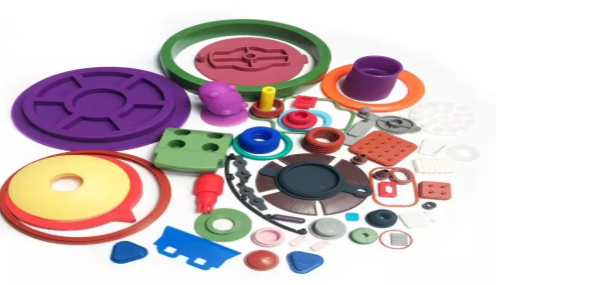
In today’s competitive manufacturing industry, businesses need components that match their product designs, performance requirements, and production goals. Silicone is a popular material for applications ranging from household appliances and automotive systems to medical equipment and industrial machinery. Its flexibility, temperature resistance, and ability to be molded into different shapes make it suitable for a wide variety of products.
However, achieving the right results depends on more than selecting a material. Working with an experienced silicone parts manufacturer helps businesses develop custom silicone parts that meet specific dimensions, material requirements, and production standards. Whether a company needs small sealing components or complex molded products, the right manufacturing partner can help turn an initial concept into a finished component.
Why Custom Silicone Parts Are Important for Modern Products
Standard components do not always meet the requirements of specialized applications. Differences in dimensions, operating conditions, product design, and assembly methods can make customized solutions necessary.
Custom silicone parts are designed according to a customer’s technical specifications. Manufacturers can adjust the shape, thickness, hardness, color, and other material properties to suit the intended application.
Designed for Specific Applications
Every industry has different component requirements. An automotive company may need silicone gaskets for sealing, while an electronics manufacturer may require flexible protective covers. Medical equipment producers might need carefully designed silicone components that meet applicable material and regulatory requirements.
Customization allows businesses to develop parts that fit their products instead of changing the entire design to accommodate standard components.
Greater Design Flexibility
Silicone molding supports a wide range of shapes and configurations. Depending on the manufacturing process, companies can produce thin membranes, flexible connectors, intricate seals, buttons, protective covers, and other specialized components.
This flexibility gives product designers more opportunities to develop practical solutions for their intended markets.
What Does a Silicone Parts Manufacturer Do?
A professional silicone parts manufacturer manages the process of converting product specifications into molded silicone components. The process may include material selection, mold design, prototype development, production, inspection, and packaging.
The exact services depend on the manufacturer’s equipment, technical capabilities, and industry experience.
Material Selection and Consultation
Different silicone formulations offer different properties. Some are suitable for applications involving elevated temperatures, while others are selected for flexibility, electrical insulation, or contact with particular substances.
An experienced manufacturer can help customers evaluate material options according to operating temperature, hardness, compression requirements, chemical exposure, and applicable compliance needs.
Choosing the appropriate formulation early in development can reduce production issues and improve the suitability of the finished part.
Mold Design and Development
Mold design plays a major role in producing accurate custom silicone parts. The mold must reflect the required dimensions, surface finish, shape, and production method.
Manufacturers may use computer-aided design (CAD) software to develop the mold structure and review the component before production begins. Proper mold design also helps manage material flow, venting, curing, and part removal.
Prototype Production
Prototypes allow businesses to evaluate a component before committing to large-scale manufacturing. They can reveal design problems, dimensional issues, or difficulties during product assembly.
Testing a prototype under representative operating conditions helps engineers identify changes that may be needed before mass production.
Common Manufacturing Processes for Custom Silicone Parts
The best production method depends on the component’s geometry, material, quantity, and performance requirements.
Silicone Compression Molding
Compression molding involves placing a measured quantity of silicone material into a heated mold. Pressure and heat shape and cure the material into the required component.
This method is commonly used for gaskets, seals, pads, and other molded parts. It can be suitable for certain low-volume and medium-volume production projects, depending on the design and tooling requirements.
Liquid Silicone Rubber Injection Molding
Liquid silicone rubber (LSR) injection molding uses specialized equipment to inject liquid silicone into a mold, where it cures into the finished shape.
This process is often selected for complex components, detailed geometries, and production runs requiring consistent repeatability. It is used in applications involving healthcare equipment, electronics, consumer products, and automotive components.
A capable silicone parts manufacturer can assess whether LSR injection molding offers advantages for a particular design.
Extrusion and Other Molding Methods
Silicone extrusion is useful for producing continuous profiles, tubing, strips, and cords with a consistent cross-section. Other molding methods may be suitable for specific geometries or production requirements.
Selecting the right process helps balance component quality, production efficiency, tooling costs, and manufacturing volume.
Industries That Use Custom Silicone Parts
Silicone components serve many industries because their properties can be tailored to different operating environments.
Medical and Healthcare Equipment
Medical and healthcare equipment may incorporate silicone seals, tubing, valves, connectors, and flexible components. Depending on the intended use, manufacturers must consider material traceability, cleanliness, biocompatibility testing, and relevant regulatory requirements.
Businesses developing medical products should select a manufacturing partner with documented experience in the applicable requirements for their specific application.
Automotive Manufacturing
Automotive systems use silicone components in sealing, vibration management, electrical protection, and fluid-handling applications. Custom gaskets, boots, protective covers, and connectors can be designed to fit particular assemblies.
Material selection should account for temperature fluctuations, exposure to oils or other fluids, mechanical stress, and the expected service environment.
Electronics and Electrical Products
Electronics manufacturers use silicone keypads, insulating components, protective covers, and seals. Depending on the formulation, silicone can provide electrical insulation and flexibility while helping protect sensitive assemblies from dust or moisture.
Custom dimensions and carefully designed features allow components to fit compact product housings and specialized electronic devices.
Household and Consumer Products
Kitchen accessories, appliance seals, personal care products, and reusable household items may also incorporate silicone components.
In these applications, manufacturers consider appearance, texture, color consistency, cleaning requirements, and the intended type of contact with users or materials.
How to Choose the Right Silicone Parts Manufacturer
Finding a suitable supplier requires more than comparing prices. Businesses should evaluate technical capabilities, quality procedures, communication, and production capacity.
Review Manufacturing Experience
Look for a manufacturer with experience producing components similar to yours. Relevant project experience can help the supplier identify potential design problems and recommend suitable production methods.
Ask about previous applications, available equipment, and experience with the silicone formulations your project requires.
Evaluate Quality Control Procedures
Consistent production depends on defined inspection and quality control processes. Ask how the manufacturer checks dimensions, hardness, surface appearance, and other critical characteristics.
Depending on the application, you may also need material certificates, inspection reports, batch traceability, or testing documentation.
For regulated industries, verify relevant certifications and confirm that they cover the actual facility and processes involved in your project.
Compare Pricing and Production Capacity
The lowest quotation does not always provide the best overall value. Tooling expenses, material selection, production volume, inspection requirements, packaging, and shipping can all affect the final cost.
Request a detailed quotation that separates tooling and unit pricing where possible. It is also useful to confirm minimum order quantities, sample lead times, production schedules, and the supplier’s ability to handle future demand.
Assess Communication and Customization Support
Clear communication helps prevent misunderstandings about drawings, tolerances, materials, and delivery expectations.
A reliable supplier should be able to review technical documents, explain manufacturing limitations, discuss design adjustments, and provide updates during development.
Key Factors to Consider Before Ordering Custom Silicone Parts
Before beginning production, prepare a clear technical specification.
Include the following details where applicable:
- Dimensions and tolerances: Provide engineering drawings or CAD files with critical measurements.
- Material requirements: Specify the preferred silicone type, hardness, color, and relevant compliance needs.
- Operating conditions: Explain expected temperatures, chemical exposure, pressure, and mechanical loading.
- Surface finish: Identify any requirements for texture, appearance, or special finishing.
- Order quantity: Estimate prototype needs, initial production volume, and expected repeat orders.
- Quality documentation: Define inspection criteria, testing requirements, and traceability expectations.
Providing complete information helps the manufacturer prepare a more accurate quotation and identify potential challenges before production starts.
Why Long-Term Manufacturing Partnerships Matter
A long-term relationship with a capable silicone parts manufacturer can simplify product development and ongoing production. Once the supplier understands the component design, material specifications, and quality expectations, future orders may require less repeated clarification.
A consistent manufacturing process can also help businesses manage product revisions, maintain specification control, and plan inventory more effectively.
For growing brands and industrial companies, a dependable supplier relationship can support new product launches and changing production requirements. Regular communication and documented specifications are particularly important when components must remain consistent across multiple batches.
Conclusion
Custom silicone parts play an important role in products across the medical, automotive, electronics, household, and industrial sectors. Their flexibility in design and material selection makes them suitable for applications that require specific shapes, dimensions, and performance characteristics.
Choosing the right silicone parts manufacturer involves evaluating technical expertise, molding capabilities, material knowledge, quality control, and communication. Businesses should also provide clear specifications and test prototypes before moving into larger production runs.
By combining thoughtful design with a capable manufacturing partner, companies can develop custom silicone parts that fit their applications, meet defined quality requirements, and support their long-term product goals.


