

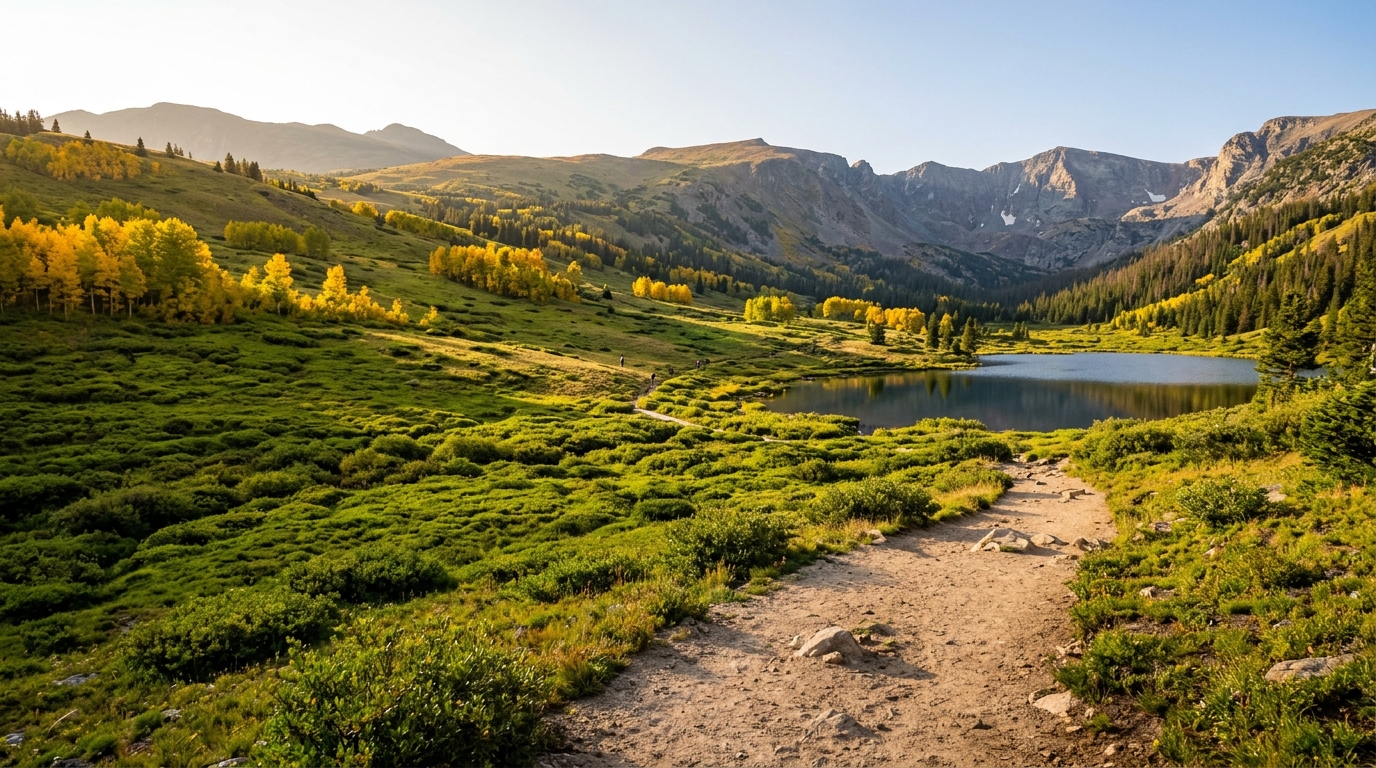
Choosing the right time for a wilderness vacation changes your entire travel experience from start to finish. Summer months often bring massive tour buses, packed parking lots, and intense daytime heat to protected natural areas across the country. September marks a unique transition period for public lands because the heavy summer crowds leave, air temperatures cool down in many regions, and various ecosystems begin showing early fall colors. Travelers searching for the best national parks to visit in september want to know which destinations offer comfortable daytime temperatures, fewer tourists, and good wildlife viewing or scenery shifts that only happen during this specific shoulder season.
Why September Is Great for National Parks
September stands out as one of the absolute best months of the year to explore the great outdoors because seasonal shifts bring pleasant weather and significantly smaller crowds.
Most families finish their vacations and children return to school by the time September arrives, which empties out popular viewpoints and hiking trails. Weather conditions vary wildly this month, ranging from cooling alpine heights to warm deserts, giving travelers diverse options depending on what kind of adventure they prefer. Planning a journey during this shoulder season allows visitors to experience famous landscapes at a much calmer and more relaxing pace without fighting for parking spaces at sunrise.
Yellowstone National Park in September
Yellowstone National Park in September offers cooler temperatures and active wildlife without the heavy summer tour buses.
Visitors can drive past geothermal features and open valleys with much less traffic congestion than July or August. Bison and other large mammals often become more active as autumn approaches and daytime temperatures drop into comfortable ranges. Morning frost frequently coats the grass, but afternoons remain warm enough for long hikes and extended sightseeing tours across the vast landscape.
Glacier National Park in September
Glacier National Park in September lets visitors see changing fall leaves and clear hiking trails, though some high roads might close early.
The vibrant yellow foliage of larch trees begins to stand out against the evergreen forests and dramatic mountain peaks. Daytime air feels crisp and refreshing, which makes steep mountain climbs much less exhausting than during the stifling heat of mid-summer. Travelers should always check local park alerts because early snowstorms can temporarily affect high elevation mountain passes before autumn officially ends.
Zion National Park in September
Zion National Park in September sees lower daytime temperatures, making long desert hikes much safer and more comfortable.
Summer heat in southern Utah can reach dangerous levels, but September brings welcome relief as temperatures gradually begin to moderate. Red rock canyons and narrow gorge trails remain accessible, and shuttle buses continue running to help manage visitor movement. Hikers attempting famous routes like Angels Landing or the Narrows will find the midday sun much easier to handle compared to the peak summer season.
Acadia National Park in September
Acadia National Park in September begins its famous fall foliage season while coastal breezes stay mild.
Maine coastal scenery takes on golden and crimson hues as the leaves on maple and birch trees start turning colors. Rocky shorelines and granite peaks offer stunning ocean views without the overwhelming summer congestion that fills coastal towns. For more regional travel inspiration, you can check out our comprehensive guide to eastern parks to help plan your next coastal itinerary.

Tips for Planning a September National Park Trip
This section gives practical advice on checking early park closures, booking campsites, and packing for changing mountain weather.
Mountain environments can experience freezing overnight temperatures even when daytime conditions feel warm and sunny. Checking official park websites before departure helps visitors stay informed about temporary road maintenance, wildlife closures, and active reservation requirements. Packing multiple layers of clothing ensures you stay warm during chilly morning hikes and comfortable when the afternoon sun warms up the valleys.
Frequently Asked Questions
Are national parks crowded in September?
Most national parks are much less crowded in September once schools reopen and summer vacations end.
Is the weather warm enough for camping in September?
Weather varies by location, so mountain parks can have freezing nights while desert parks remain quite warm.
Can I see fall foliage in September?
Yes, northern parks and high elevation areas often start showing bright autumn colors by late September.
Are all park roads open in September?
Most roads remain open, but high mountain passes can experience temporary closures if early snow falls.
Do I need reservations for national parks in September?
Some popular parks still require vehicle reservations or permits in September, so always check official park websites.
Is wildlife easier to see in September?
Many animals become more active as the weather cools down, making September a great time for viewing.
What should I pack for a September park trip?
Pack layers of clothing because September days can be warm while mornings and nights get very cold.
Disclaimer: Park conditions, weather, and rules can change quickly. Always verify current details and operating hours from official park sources before you travel.

I’m Muhammad Ubaid, founder of YBR Magazine. I research and write detailed guides on America’s National Parks — covering entry fees, permits, best times to visit, and planning tips — using official NPS sources and up-to-date information.