

Why August is a Unique Month for National Park Visits
August brings specific weather patterns and high visitor numbers that completely change how you experience the parks. August stands right in the middle of the school summer vacation season. National parks across the country see their highest visitor numbers during this month. Popular viewpoints, visitor centers, and parking lots fill up very early in the day. At the same time, weather conditions vary wildly depending on geography. Southern and desert regions face intense, dangerous heat, while high-altitude and northern regions finally open up their fully snow-free trails. Understanding these patterns helps travelers choose the right locations for a safe and enjoyable journey. Planning a trip during this peak month means balancing the desire for open outdoor adventure with realistic expectations about crowded visitor centers and heavy highway traffic near major federal lands.
High-Elevation Mountain Parks for Warm Weather and Open Trails
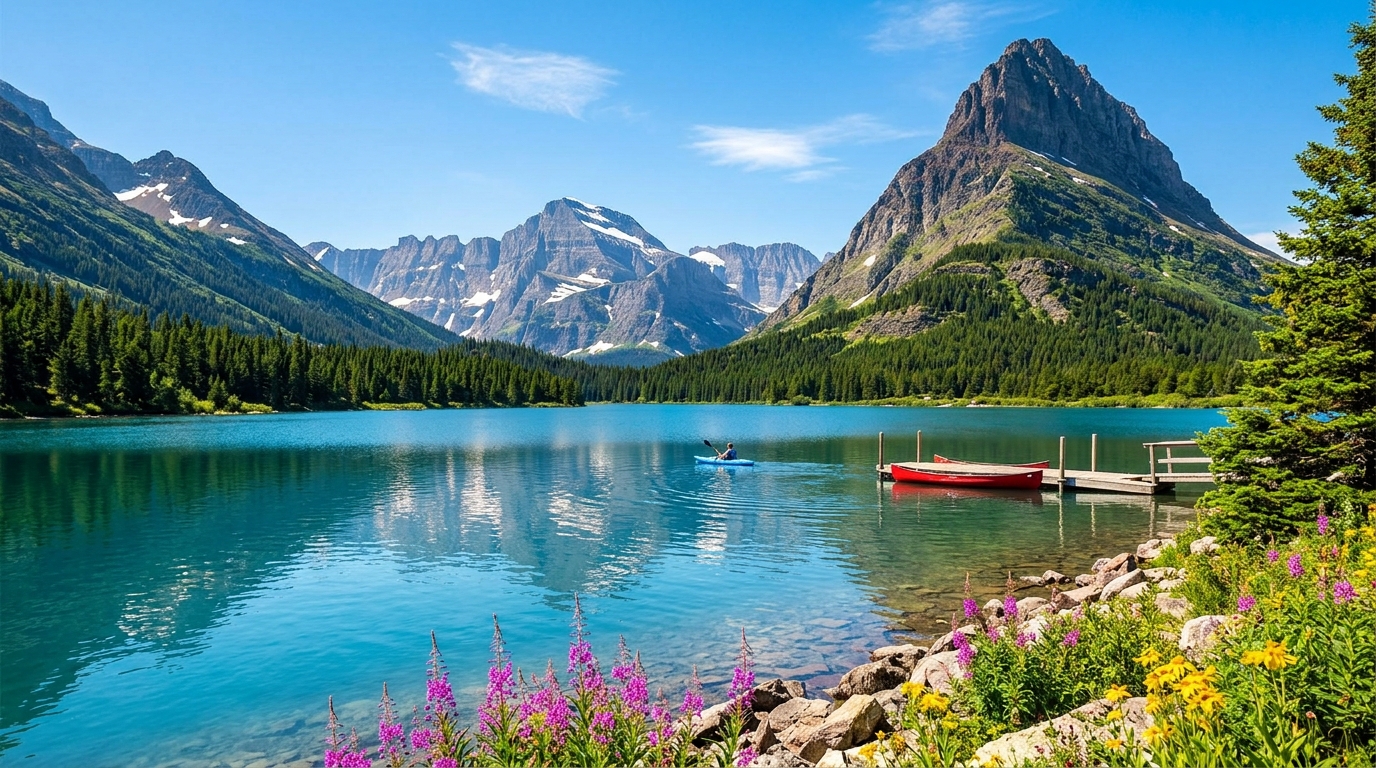
High-elevation mountain parks are featured here because August is the best time of year to hike trails that are blocked by snow during other months. Mountain national parks in states like Colorado, Wyoming, and Montana experience their warmest and most accessible weather during late summer. Snow melts completely from high alpine passes, allowing hikers to reach remote areas that remain closed through June and July. Daytime temperatures are typically comfortable for walking and exploring, though sudden afternoon thunderstorms remain a common occurrence in high-altitude environments. Visitors should always check local forecasts and complete their outdoor activities before noon to stay safe from sudden lightning storms. Alpine wildflowers are also in full bloom across high mountain meadows during this period, creating vivid natural displays that draw nature photographers from all over the world.
Coastal and Northern Parks for Cooler Summer Air
Coastal and northern parks are included because they offer a comfortable escape from the intense heat found in the rest of the country during August. Northern destinations and coastal preserves benefit from ocean breezes and higher latitudes that keep summer temperatures moderate. Travelers looking for a relaxing escape from scorching inland heat often find that heading north or toward rugged coastal edges provides refreshing weather. Exploring these regions also pairs well with broader summer itineraries, such as planning a trip that might later transition into shoulder-season adventures like exploring autumn landscapes or visiting eastern regional preserves. Visitors exploring these northern havens can enjoy misty shorelines, dense evergreen forests, and active marine wildlife without melting under intense desert sun.
Parks to Approach with Caution During August Heat
Certain parks need extra warning because extreme desert and low-elevation temperatures in August make daytime outdoor activities dangerous. Desert national parks in the American Southwest record extreme daytime temperatures regularly exceeding one hundred degrees Fahrenheit. Hiking during the middle of the day in these arid environments puts visitors at high risk for heat exhaustion and dehydration. Park rangers strongly advise visitors to complete all strenuous walks shortly after sunrise and to carry massive amounts of water. If you prefer milder desert conditions, you might want to look ahead to cooler shoulder months or consider timing your desert travels for a different season entirely, much like planning a spring getaway when temperatures are far more forgiving. Knowing when to turn back or skip a strenuous desert hike can prevent dangerous medical emergencies during peak summer heat waves.
Practical Tips for Managing August Crowds and Heat
Practical planning strategies matter here because arriving early and booking well in advance are essential for surviving peak summer tourism. Finding a quiet moment at major national parks requires strategic timing and advance preparation. Many popular parks now use timed-entry permits or vehicle reservation systems to control traffic congestion during peak months. Travelers must check official park websites months ahead of time to secure necessary driving permits or camping spots. Arriving at park gates before sunrise ensures you secure a parking space and lets you enjoy popular trails before the main tour buses arrive. Packing extra water, sunscreen, and emergency navigation tools will keep your family safe even when unexpected traffic delays or sudden weather shifts slow down your daily itinerary.
For readers interested in transitioning from summer trips into other seasonal adventures, reviewing regional travel resources can help you plan ahead. You can also explore how to plan a shoulder-season getaway by checking out a helpful guide on visiting during September.
Frequently Asked Questions About Visiting National Parks in August
Which national parks have the best weather in August?
Northern and high-elevation mountain national parks offer the most comfortable daytime temperatures during August.
Are national parks too crowded in August?
Yes, August is one of the busiest months because of summer vacations, so popular areas fill up very early in the morning.
Is it too hot to visit desert national parks in August?
Many desert national parks experience extreme, dangerous heat in August, making midday hiking unsafe.
Do I need reservations to enter national parks in August?
Some popular national parks require advance vehicle reservations or timed-entry permits during peak summer months.
What time should I arrive at popular viewpoints in August?
Arriving before sunrise or early in the morning is the best way to secure parking and avoid the biggest crowds.
Can I see wildlife in national parks during August?
Wildlife is active during August, though many animals move to higher elevations or shaded areas to escape the midday sun.

I’m Muhammad Ubaid, founder of YBR Magazine. I research and write detailed guides on America’s National Parks — covering entry fees, permits, best times to visit, and planning tips — using official NPS sources and up-to-date information.