

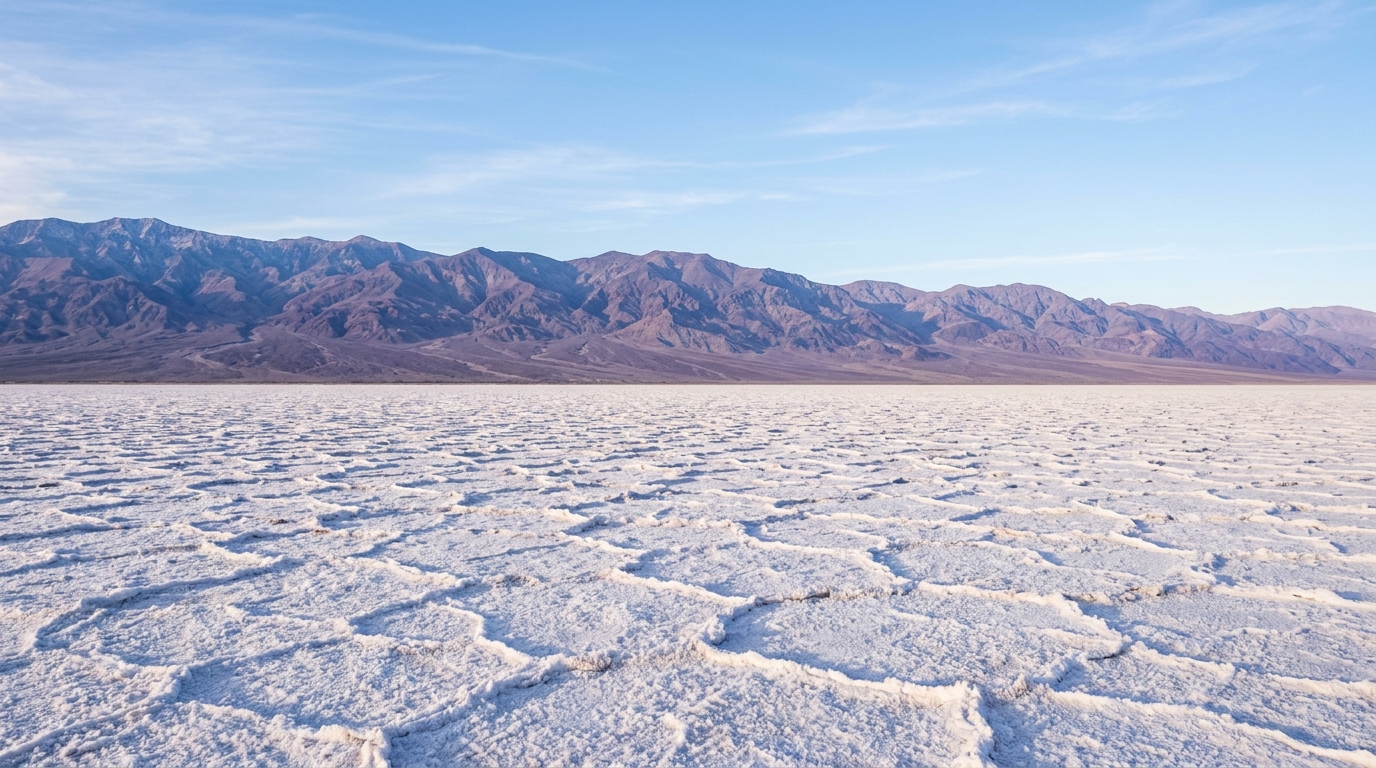
Why Late Autumn Offers the Ultimate Quiet Escape
November delivers a distinct transition period where summer crowds vanish and northern winter weather has not yet closed down major regional corridors. Travelers who choose national parks in November can experience wide-open hiking trails and peaceful scenic viewpoints without dealing with peak season congestion. This transitional shoulder season gives nature enthusiasts a chance to explore popular outdoor destinations at a calm, unhurried pace.
Wildlife habits also shift during these cooler weeks as animals move down from snowy peaks into lower valleys. Park rangers note that visitor interactions become quieter and more personal because overall daily vehicle numbers drop sharply. Visitors who enjoy crisp morning air and quiet solitude find that late autumn provides a refreshing atmosphere for outdoor recreation.
Exploring Southwest Red Rocks in Late Autumn
Utah national parks and regional desert preserves provide ideal daytime hiking temperatures after summer heat waves finally break. During July and August, destinations like Zion National Park and Arches National Park experience intense, potentially dangerous heat that makes long daytime hikes exhausting. November brings crisp morning air and warm afternoon sun that makes exploring red rock canyons much more pleasant. Travelers planning a desert getaway often look toward a classic Utah national parks road trip to experience these sandstone landscapes at their absolute best.
Farther south, locations like Joshua Tree National Park in California and Saguaro National Park in Arizona provide fantastic conditions for tent camping and extended backcountry trekking. Daytime temperatures typically hover in the comfortable sixties and seventies Fahrenheit, eliminating the heavy fatigue caused by scorching desert sun. Photographers also benefit from the seasonal shift because the lower angle of autumn light casts dramatic shadows across canyons and boulder fields throughout the entire afternoon.
Finding Warm Sunshine Along Southern Coastal Wetlands
Southern wetland and coastal preserves offer pleasant outdoor conditions while northern mountain ranges begin to cool down. National parks in Florida and Texas provide warm sunshine and active wildlife viewing opportunities during late autumn without intense summer humidity or heavy mosquito swarms. These southern locations provide a great backup option if mountain trails in higher elevations are already experiencing early winter snowstorms.
For instance, Everglades National Park experiences a dramatic drop in humidity during November, marking the official beginning of its dry season. Mosquito populations decline sharply compared to the wet summer months, making boardwalk strolls and canoe trails much more enjoyable. Similarly, Big Bend National Park in Texas delivers gorgeous river canyons and desert mountain vistas under clear, sunny skies, ensuring that travelers who dislike cold weather still have plenty of scenic options.
Navigating Shorter Daylight Hours and Temperature Swings
November brings shorter daylight hours, chilly mornings, and much smaller crowds to most locations across the country. Because the Earth is tilting away from the sun in the Northern Hemisphere, the sun sets much earlier in the evening than it does during summer. Travelers must plan their hiking routes carefully to ensure they finish before dark. Morning temperatures can drop below freezing in many parks, even when the afternoon turns pleasantly warm, making layered clothing essential.
Crowd dynamics change dramatically once November arrives because school vacations are mostly absent except for Thanksgiving week. National park shuttle buses in places like Zion may run on reduced autumn schedules or finish operations entirely by late November, requiring visitors to adjust their transportation plans. Being mindful of these seasonal shifts allows travelers to experience wide-open trails with minimal human presence, creating a deeply immersive connection with nature.
Managing Seasonal Park Services and Road Access
Checking visitor center hours and road conditions keeps your trip smooth as early winter weather approaches. Many national parks reduce their operating hours or close specific high-elevation roads starting in November due to changing weather patterns. Restrooms, campgrounds, and shuttle services may also operate on limited winter schedules or close completely until the following spring. Checking official park websites right before your trip ensures you know about any sudden weather closures or seasonal service changes.
Another vital consideration for late-autumn travel is proper hydration and sun protection. Even though air temperatures feel cool or chilly, the sun at high-altitude or desert national parks remains strong. Travelers should carry extra water, wear UV-blocking sunglasses, and apply sunscreen regularly. Furthermore, packing emergency gear such as extra flashlights, warm fleece jackets, waterproof outer shells, and high-energy snacks ensures that unexpected weather shifts or delayed hikes never turn into a safety hazard.
Frequently Asked Questions
What are the best national parks to visit in November?
The best national parks to visit in November include desert destinations like Zion, Bryce Canyon, Joshua Tree, and Death Valley, where summer heat fades into comfortable hiking weather.
Are Utah national parks crowded in November?
Utah national parks experience significantly fewer crowds in November compared to the busy summer months, though popular spots still see visitors during weekends and holidays.
What is the weather like in desert national parks in November?
Desert national parks feature crisp, cold mornings often dipping near freezing, followed by mild and sunny afternoons with temperatures usually ranging in the 50s and 60s Fahrenheit.
Are roads open in northern national parks during November?
Some high-elevation roads in northern national parks begin closing for the winter season in November depending on snowfall and freezing weather conditions.
What should I pack for a national park trip in November?
Travelers should pack warm layers, a sturdy windbreaker, comfortable hiking boots, a flashlight or headlamp for early sunsets, and plenty of water.
Do national park visitor centers stay open in November?
Many national park visitor centers remain open in November, but some operate on reduced winter schedules or close mid-week depending on the specific park.
Disclaimer: National park weather, road conditions, and operating hours can change quickly during late autumn. Always verify current details and weather alerts from official park sources before starting your trip.

I’m Muhammad Ubaid, founder of YBR Magazine. I research and write detailed guides on America’s National Parks — covering entry fees, permits, best times to visit, and planning tips — using official NPS sources and up-to-date information.