

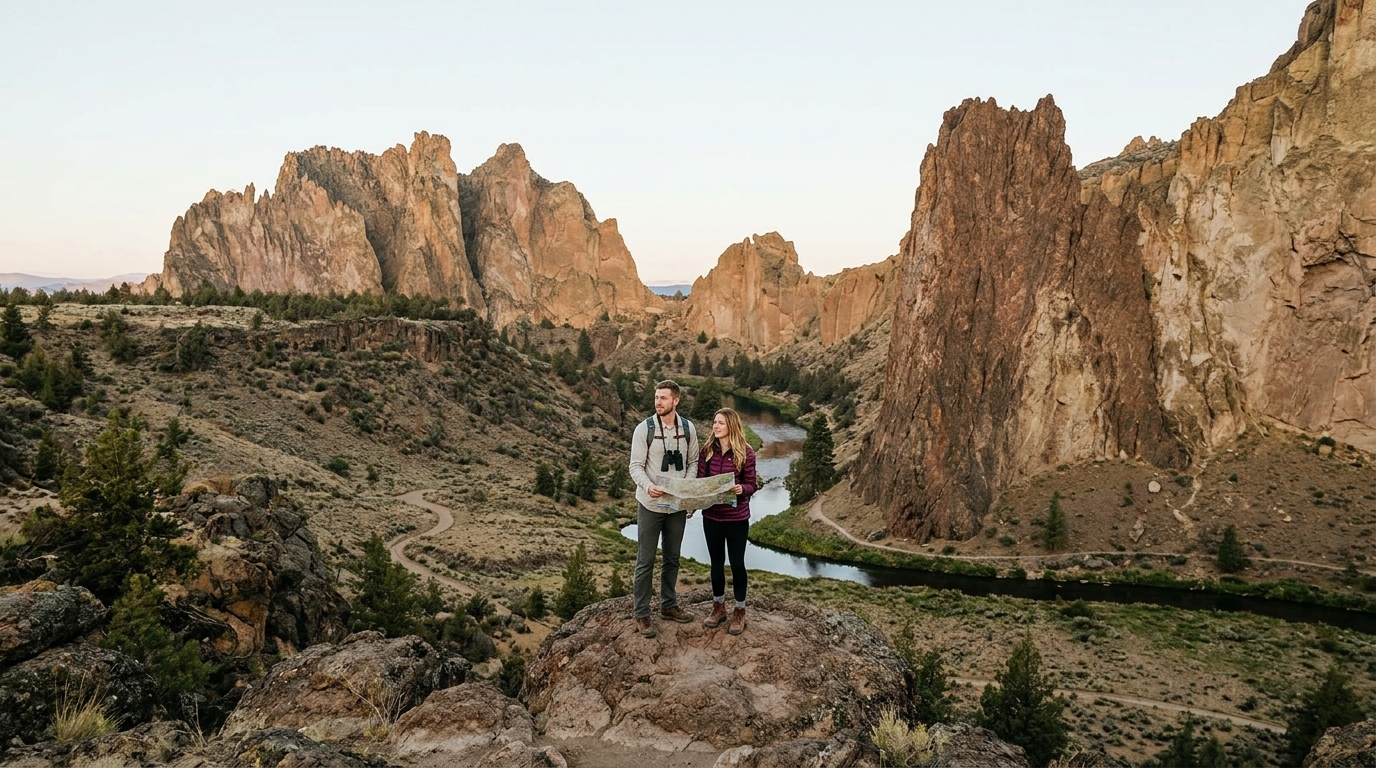
Planning a national park elopement offers a breathtaking way to celebrate marriage against the backdrop of iconic mountains, sweeping canyons, and ancient forests. Unlike a traditional wedding venue, public lands come with a unique set of federal and state regulations that require careful preparation. A successful national park elopement balances natural beauty with strict adherence to public land rules, ensuring that fragile ecosystems remain protected while couples exchange their vows in an unforgettable setting.
Navigating Federal Special Use Permits and Park Regulations
Couples must obtain official government approval because every national park requires a Special Use Permit for wedding ceremonies and elopements.
Federal land managers enforce these requirements to protect natural resources and ensure that public spaces remain accessible to all visitors. A standard national park elopement permit usually specifies the exact approved location, the maximum allowable guest count, and permitted times of day. Many parks strictly prohibit certain decor items, such as live flower petals, confetti, open flames, heavy chairs, and permanent arches, to prevent environmental damage. Couples must review individual park guidelines well in advance, as application timelines range from a few weeks to several months before the chosen date.
Selecting the Ideal Scenic Backdrop Across Protected Public Lands
Choosing the right park sets the tone for the entire experience based on scenery, accessibility, and seasonal weather patterns.
Famous locations like Yosemite National Park in California or Grand Teton National Park in Wyoming draw couples from all over the world for dramatic mountain backdrops. Other stunning public lands, such as Joshua Tree National Park or Acadia National Park, offer entirely different landscapes ranging from desert boulders to rugged ocean coastlines. When selecting a location for a national park elopement, couples should consider physical accessibility, expected tourist crowds during peak seasons, and unpredictable weather changes that can occur in high-altitude or remote environments.
Budgeting for Hidden Expenses Beyond Standard Wedding Costs
Couples need a clear financial picture that goes beyond standard wedding budgets to include permits, park passes, and specialized vendors.
While public lands offer a much more affordable alternative to traditional ballrooms or private estates, a national park elopement still involves specific expenses. Special Use Permit fees generally range from fifty dollars to several hundred dollars depending on the specific park and administrative costs. Additional mandatory expenses often include vehicle entrance fees or annual park passes for the couple and their guests. Because remote parks often require significant travel, couples should also budget for specialized lodging, rental vehicles suitable for rough terrain, and local vendor travel fees.
Working with Specialized Local Photographers and Planners
Specialized local professionals are essential because they know park rules, permit timelines, and hidden ceremony spots.
A photographer who frequently works in national parks understands how to navigate changing light, abide by Leave No Trace principles, and stay within designated trail boundaries. Experienced local planners can also streamline the administrative process by helping couples navigate complex permit applications and coordinate weather contingencies. For inspiration on exploring diverse public lands and planning outdoor itineraries, travelers often look to resources like this guide on crafting an alpine route to understand how landscape diversity impacts travel logistics.
Executing a Chronological Timeline for Your Ceremony Date
A chronological guide keeps couples organized from booking the permit months in advance to the actual wedding day.
Effective planning for a national park elopement usually begins nine to twelve months prior by researching park guidelines and selecting a preferred ceremony site. Couples should submit their Special Use Permit applications several months ahead of time to secure their desired date and time slot. The final months leading up to the elopement should focus on securing travel arrangements, hiring local registered vendors, purchasing necessary attire suited for outdoor elements, and confirming all park regulations. On the wedding day itself, arriving early helps ensure a calm, peaceful experience while respecting all posted park signs and visitor guidelines.
Disclaimer: Park regulations, permit fees, and application procedures can change frequently. Always verify current rules and fee schedules directly through the official National Park Service website before finalizing your elopement plans.
What is a national park elopement?
A national park elopement is a small, intimate wedding ceremony held on federally protected public land managed by the National Park Service.
Do I need a permit for a national park elopement?
Yes, virtually all national parks require a Special Use Permit for wedding ceremonies and elopements to manage public land use and protect the environment.
How much does a national park elopement permit cost?
Permit fees vary by location but typically range from fifty dollars to several hundred dollars depending on the specific park and group size.
Can we have guests at our national park elopement?
Yes, most parks allow a small number of guests, but the exact guest limit depends on the specific approved location and park regulations.
Are chairs and wedding arches allowed in national parks?
Most national parks prohibit heavy chairs, tables, and permanent arches to protect natural vegetation and maintain Leave No Trace principles.
When should we apply for our elopement permit?
Couples should generally apply several months in advance, as application timelines and review periods vary widely among different parks.
Can we take wedding photos anywhere in the park?
Photography is permitted, but couples and their photographers must stay on designated trails and follow all park rules to protect wildlife and plants.
I’m Muhammad Ubaid, founder of YBR Magazine. I research and write detailed guides on America’s National Parks — covering entry fees, permits, best times to visit, and planning tips — using official NPS sources and up-to-date information.