


Introduction: Seeing More of the Khumbu Valley in a Single Flight
Say “Khumbu” and most people picture one thing: Everest, sitting at the far end of a long trail. But the valley around it holds a lot more. Sherpa villages stacked on steep hillsides, monasteries wrapped in prayer flags, glacial lakes in odd shades of turquoise, and a skyline that never really lets up. The catch? Seeing it all on foot takes a couple of weeks, solid fitness, and a body that copes well with altitude. Plenty of travelers don’t have all three.
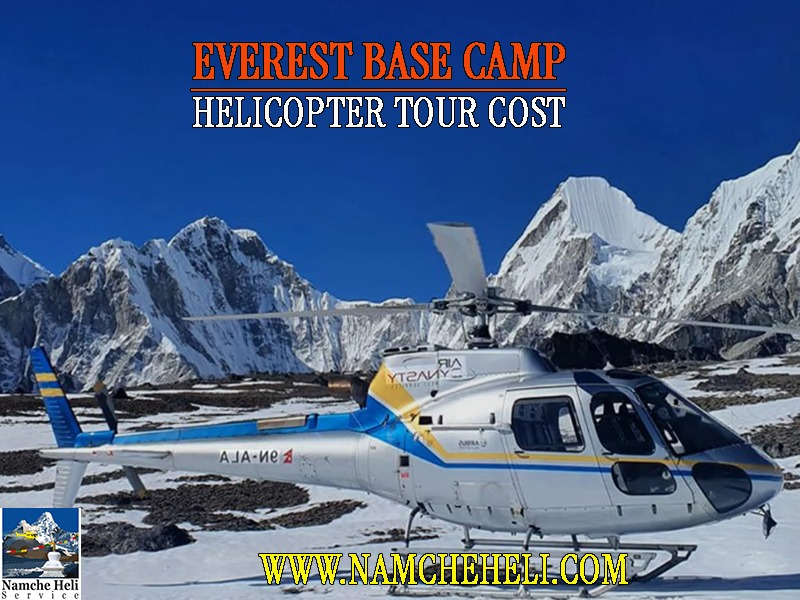
That’s where flying comes in. An Everest Base Camp Helicopter Tour squeezes the region into a few hours and lets you look down on places trekkers need days to reach. This guide covers the destinations worth knowing, how the flight routes work, what can and can’t be promised about landings, and how to plan around weather and weight limits.
Understanding the Khumbu Valley: What Lies Beyond Everest?
The Geography and Landscape of the Khumbu Region
Khumbu sits in northeastern Nepal, right up against the Tibetan border. It’s a tangle of high ridges, glacier-fed rivers and deep valleys, with villages perched wherever the slope flattens out enough to build on. Much of the area falls inside Sagarmatha National Park, which protects the mountains, wildlife and the high pastures that local families still use. The park is also a UNESCO World Heritage Site, so it’s not just pretty scenery on paper.
Sherpa Settlements, Buddhist Culture and Mountain Life
The Sherpa people have lived here for generations, and their link with Himalayan mountaineering is hard to miss. You’ll see it in the tea houses, the climbing gear stacked in doorways, the family names that turn up in expedition histories. Buddhism shapes daily life too. Mani walls carved with prayers, strings of prayer flags snapping in the wind, small monasteries tucked above the villages. That’s why Namche Bazaar and Tengboche are worth a mention on their own. They’re not just stops on the way to a mountain. They’re living communities.
The Major Destinations to Explore by Helicopter in the Khumbu Valley
Namche Bazaar: The Gateway to the Everest Region
Namche sits in a horseshoe-shaped bowl on the hillside, and from the air that shape is easy to spot. It’s the region’s main trading and trekking hub, with shops, bakeries, a market and lodges climbing the slope in uneven rows. Around it you can pick out smaller villages, terraced fields and the trails leading deeper into the valley. On most Khumbu sightseeing routes, Namche acts as a visual landmark, a place that helps you understand how the valley is laid out before the bigger peaks appear.
Tengboche Monastery and the Himalayan Panorama
Tengboche is the best-known monastery in the Everest region, and its position is the whole point. It sits on a forested ridge with mountains all around, and Ama Dablam, that sharp, almost too-perfect peak, dominates the view. Everest, Lhotse and Nuptse also line up behind it on clear days. For many visitors it’s the spot where religion, landscape and local life really come together.
Everest Base Camp and the Khumbu Glacier
Everest Base Camp is at roughly 5,364 metres, on the edge of the Khumbu Glacier. From above, you can see the broken surface of the ice, the Khumbu Icefall climbing toward the higher slopes, and the surrounding giants. Here’s something travelers often mix up, though: flying over Everest Base Camp is not the same as landing there. The camp is a seasonal tented settlement on moving ice and rubble, so landings aren’t something you should assume. Always ask your operator exactly where the helicopter will touch down, if at all.
Gokyo Lakes and the Gokyo Valley
Gokyo is a different side of Khumbu. A chain of glacial lakes sits beside the Ngozumpa Glacier, and the water shifts between blue and green depending on light and season. The valley feels quieter than the classic Base Camp corridor, and the angle on the high peaks is different too. For travelers who want something beyond the usual Everest sightseeing flight, Gokyo can be built into a longer itinerary, though what’s actually possible depends on weather and operational approval on the day.
How an Everest Base Camp Helicopter Tour Covers the Khumbu Valley
A typical Everest Base Camp Helicopter Tour starts early from Kathmandu, because mountain mornings are usually clearer. After the flight toward the Himalaya, depending on the route you pick, you may see Lukla, Namche Bazaar, nearby villages and the glaciers that feed the valley. Some itineraries stop for refuelling, and at high altitude, passengers are sometimes moved in shuttles so the aircraft stays within safe limits.
Where you actually land is never fixed in stone. Weather, aircraft performance, passenger weight, aviation rules and conditions on the day all play a part. That’s why you should be clear on whether you’re booking a sightseeing flight or a landing-inclusive itinerary. They sound alike in a brochure. They aren’t the same thing.
Kathmandu and Lukla Helicopter Routes: Understanding Your Travel Options

Kathmandu to Lukla Helicopter Flight: What Travelers Should Know
A Kathmandu to Lukla helicopter flight is often chosen by people who don’t want to depend on scheduled flights or spend days walking in. Lukla’s airstrip has a reputation for weather delays, so a charter can feel like a safer bet for tight schedules. Still, it isn’t immune. Cloud and wind can hold up a helicopter just like anything else. Expect luggage limits, check the departure arrangements, and keep in mind that a straight transfer is a very different product from a full sightseeing itinerary.
Lukla To Kathmandu Helicopter Flight: Returning from the Everest Region

A Lukla To Kathmandu Helicopter Flight can be arranged for the way back, which suits trekkers who’d rather skip the final stretch or who are worried about missing an international flight. Delays are part of the deal in this region. If the weather closes in, you may wait, so avoid booking onward travel too tightly. Flight coordination matters here as well. A helicopter return is most useful when you’ve finished trekking or visiting Khumbu and want a faster, more predictable-ish route home.
Gokyo To Kathmandu Helicopter Flight: An Alternative Return Route

Gokyo lies in the western part of the Khumbu region, linked to the main valley but with its own character. A Gokyo To Kathmandu Helicopter Flight can be an option for travelers finishing in that area, subject to operational approval and suitable flying conditions. The route may differ from a Lukla departure, and landing arrangements, passenger weight and weather can all affect the plan. Direct flights and availability should always be confirmed before you finalize anything.
Best Time to Explore the Khumbu Valley by Helicopter
Spring and Autumn Flying Conditions
Spring and autumn generally give the best visibility in the Himalaya. Mornings tend to be the clearest, and cloud often builds as the day goes on, so early departures are the norm.
Winter and Monsoon Considerations
Winter can bring snow, wind and cold that affect visibility, while the monsoon brings heavy cloud. In both seasons, delays, cancellations or itinerary changes are more likely, so build in some flexibility.
Practical Planning: Costs, Safety, Altitude and Preparation
What Affects the Cost of a Khumbu Helicopter Tour?
Price depends on whether the helicopter is private or shared, how long you’re in the air, how many passengers are on board, and which route you choose. Landing requirements and fuel stops at high altitude also change the picture. Ask for a clear breakdown instead of comparing headline numbers.
Passenger Weight, Altitude and Landing Restrictions
Thin air reduces what a helicopter can carry. That’s why passenger weight matters more up high, and why shuttle arrangements sometimes happen. It’s also why landing at Kala Patthar or Everest Base Camp can’t always be guaranteed, even on a nice-looking day.
What Should You Prepare Before Departure?
Bring valid identification and your booking confirmation. Pack warm clothing, sunglasses and the personal items you can’t do without. Listen to the crew, and take altitude precautions seriously, even on a short visit.
Choosing a Reliable Helicopter Operator in Nepal
Look for transparent itineraries, experienced pilots, suitable aircraft and clear operational arrangements. Confirm passenger limits, landing permissions, cancellation terms and refund conditions before paying. A provider such as Namcheheli is one example of a name you might come across, and it’s a good idea with any company to check route details properly before departure.
Frequently Asked Questions About Khumbu Valley Helicopter Tours
Can You Explore the Entire Khumbu Valley by Helicopter?
Not all of it. You can see a lot, but routes depend on weather and approvals.
Does an Everest Base Camp Helicopter Tour Include a Landing?
Not always. Landings depend on conditions and the itinerary you book, so confirm before you go.
Can You Fly Directly from Gokyo to Kathmandu?
It may be possible, subject to approval, weather and availability.
Is a Helicopter Flight from Lukla to Kathmandu Available?
Yes, it can be arranged, though delays from weather are common.
Which Season Is Best for a Khumbu Valley Helicopter Tour?
Spring and autumn usually offer the clearest conditions.
Contact Details
———————————-
Namche Heli Service
Namche Bazzar, Solukhumbu, Nepal
(Branch Office :Kathmandu Naya Bazar)
+977-985-2850192 (WhatsApp)
Email: info@namcheheli.com
URL: www.namcheheli.com
READ ALSO: Things to Do in Lincoln NH: A Practical Year-Round Guide (2026 Update)


