


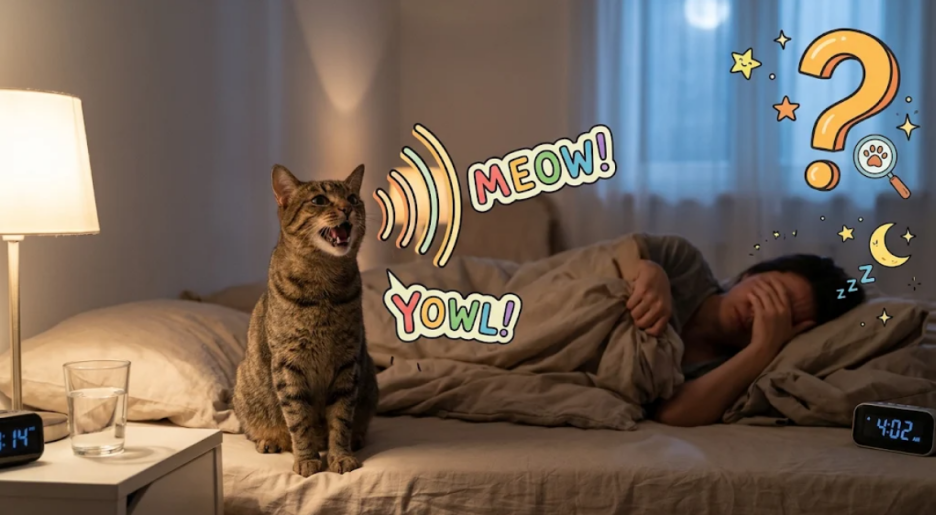
While many cat owners recognize that their cats may start waking them at night from meows, yowls or other loud calls, there are many potential causes of this type of behavior. For example, while some cats may be simply more active when the sun goes down than others, excessive or frequent vocalization at night may be indicative of boredom, stress or seeking attention. Additionally, it could also mean that your cat has an underlying health issue that needs to be addressed.
While your cat may occasionally meow at night and it typically will not be an issue if it is only one time and is brief, any change in vocal behavior is worthy of investigation.
Why Do Cats Meow More at Night?
1. Natural Activity Patterns
Cats are often described as nocturnal, but they are generally crepuscular, meaning they tend to be more active around dawn and dusk, when many small prey animals are also active. Even though indoor cats will never see a wild animal in the way their ancestors did, it has been noticed by pet owners that many domesticated felines continue to have an instinctual pattern of being most active around these times. As a result, cats may exhibit high energy and vocality, possibly running around the house, playing, investigating or simply demanding attention from their owners while those owners are preparing to go to bed.
2. Boredom and Lack of Stimulation
Indoor cats with fewer than average toys, climbing structures and less-than-average interactive activities may create a need for nighttime play time because they are bored during the day due to lack of physical exercise and mental stimulation. This also happens in cats that sleep most of the daytime hours and therefore want to “entertain” themselves as soon as it is quiet in the home.
These cats will often meow at night so that their owner will come out and interact with them.
If you provide your cat with several daily play sessions or interactive toys, this should greatly diminish the amount of nighttime vocalization caused by boredom.

3. Seeking Attention
Night time is when some cats will vocalise to get their owner’s attention. Cats may be able to associate the act of vocalising with receiving food, being petted, having play time or even just verbally responding from their owner. As such, cats can develop an association with vocalising as part of their daily routine.
Therefore, if you have ruled out hunger, comfort, anxiety and medical reasons for your cat’s vocalisation then it may be assumed that the vocalisation is due to them seeking attention.
4. Hunger or Feeding Routine Changes
Cats are also likely to vocalize during nighttime hours as they are hungry due to their normal feeding habits being out of sync with their regular daily activities.
Some owners can help this situation by offering a regular meal prior to going to bed or using an automated feeder that dispenses a regular amount of food at a predetermined hour. In addition, if your cat’s appetite is either increasing rapidly or decreasing over time you need to speak to your veterinarian.
5. Mating Behaviour
Cats who have never been neutered or spayed, especially male and female cats together, will be very vocal about their interest for each other. Heat cycles are usually identified by loud, repeated yowls from a female cat in heat. She is likely to be much more loving as well as restless. In addition, she may adopt a typical mating position.
Male un-neutered cats may also vocalize, mainly because he has heard or seen that there is a female cat in heat in close proximity. Vocalization related to mating can be substantially reduced by having your pet spayed or neutered. However, this procedure may not completely prevent all types of vocalizations at night.
6. Age-Related Changes and Cognitive Decline
Older cats often exhibit increased nocturnal vocalization secondary to aging. Some senior cats develop age related cognitive dysfunction. This is a condition of brain function that affects a cat’s ability to recognize their surroundings, remember familiar things and people and establish regular sleep-wake cycles.
Cats experiencing this form of dementia may display wandering, confusion, restlessness and excessive vocalization for no apparent reason. Affected cats may also demonstrate abnormalities in their routine behaviors or interaction with other family members.
Additionally, a loss of visual acuity or auditory perception in older cats may cause them to be disoriented, especially when they enter into an unknown or dark area.
7. Underlying Medical Conditions
Sometimes, night-time vocalization is a symptom of pain, distress or sickness and not simply a behavioral issue. The following are some of the medical conditions that may cause cats to vocally express themselves more than usual:
• Hyperthyroidism: In older cats hyperthyroidism can result in an increase of the cat’s appetite, weight loss, restlessness and excessively vocalizing.
• High blood pressure: Hypertension can lead to behavioral changes, confusion, disorientation and visual problems.
• Kidney disease: It often leads to a significant increase in the frequency of water intake, urine production, vomiting, nausea and overall unwellness and discomfort for your cat.
• Pain: Pain from various conditions including arthritis, dental disease or abdominal pain can cause significantly increased vocalization especially during periods of rest or movement.
When there is an abrupt increase in vocalizing, specifically from an elderly cat, it should never be dismissed as normal aging. A veterinary evaluation will allow for the diagnosis of possible medical problems which may need treatment.
How Can You Reduce Nighttime Vocalisation?
The type of program for you will depend on what is causing the issue. Many cats find comfort in establishing a regular daily routine that they know each day so they can go to sleep with ease.
You should schedule time for active interaction in the late afternoon or early evening, then provide a meal that is suited to your pet’s size, age and level of activity. By doing this you are simulating their natural instinct to hunt and eat in preparation for sleeping.
There are a variety of ways to encourage your cat to be physically active. Some examples include providing scratching posts, vertical space for climbing, puzzle feeders and toys.
Establish a regular feeding schedule and ensure there is always clean drinking water available to your cat. Also ensure the litter box is cleaned regularly and that your cat has plenty of comfortable places to rest.
Nightlights and easy access to food and water may be helpful to older cats who experience nighttime confusion and discomfort.
Do not yell at or punish a vocalizing cat. Yelling at or punishing a cat increases stress and anxiety levels in cats. Rewarding quiet behavior after all medical and welfare issues have been resolved may assist if the problem is attention seeking.
When Should You Consult a Veterinarian?
Occasionally a cat will meow at night. However, if there are sudden changes in meowing, particularly if it continues, consult with a veterinarian.
Changes that may be indicative of an underlying health issue include weight loss, an increase in drinking, changes in eating habits, vomiting, an alteration in litter box use, a restless or disoriented appearance or evidence of pain.
Repeatedly straining to urinate yet producing very little urine requires immediate attention from a veterinarian. If this occurs in a male cat it may indicate a urinary obstruction.
Final Thoughts
Nighttime vocalization in cats has many possible causes such as natural behavioral patterns or because they’re bored to being older and possibly experiencing health issues. Identifying the reason for the nighttime vocalization can be achieved by noting when it is occurring and if there are any other symptoms present.
In addition to providing sufficient stimulation, establishing an ongoing daily schedule and scheduling veterinary care when needed may be able to assist you in making your cat feel more comfortable at night. In addition to understanding what typical behavior in your cat is changing into during their aging process, recognizing when your older cat is showing signs of sickness may allow you to determine when normal behavior is becoming abnormal.


