


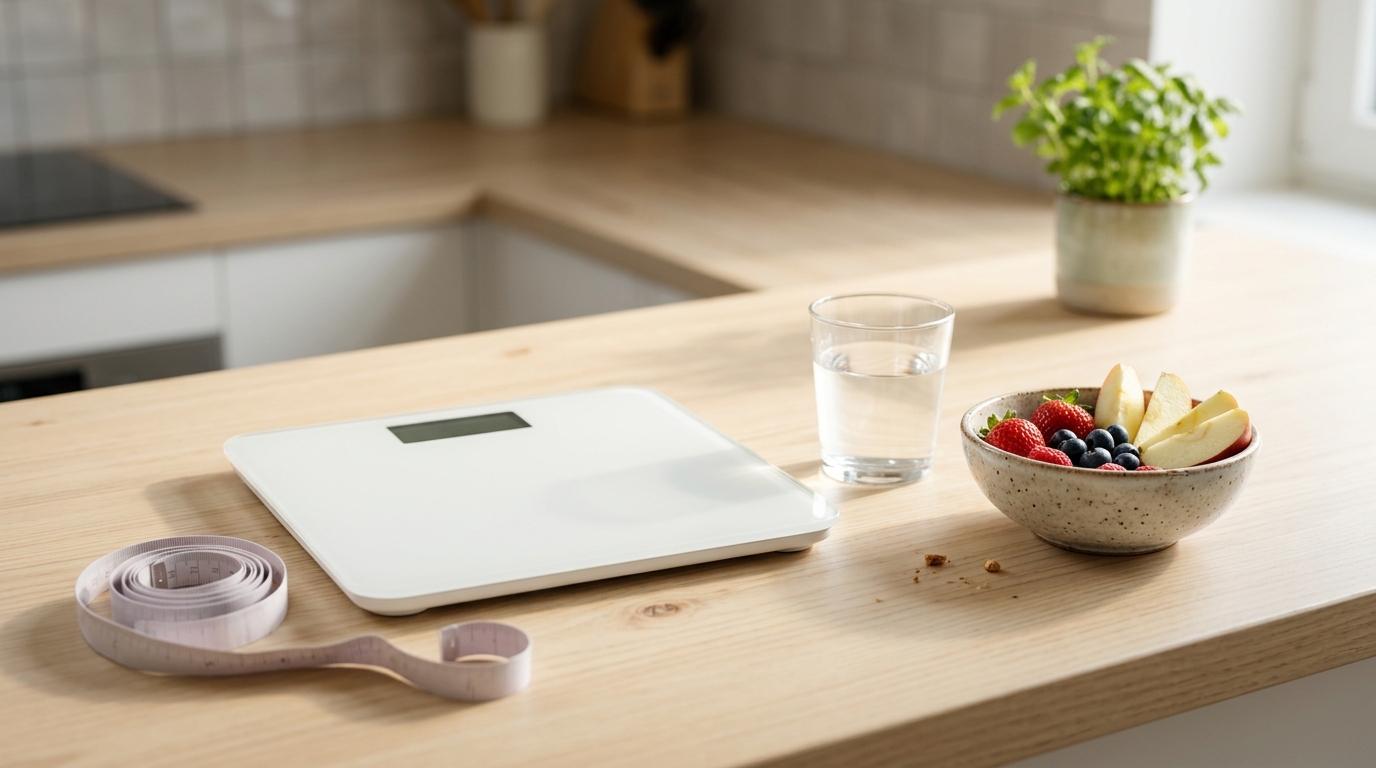
If you are planning to lose weight, one of the first questions is how long to lose 10kg without harming your health. For most adults, the honest answer is somewhere between two and a half and six months, depending on the starting weight, the size of the calorie deficit, and how well the plan can be kept up week after week. Faster results are possible on paper, but they usually come from water and muscle rather than fat, and they tend to return once normal eating resumes.
Many of the pages that rank for this question repeat one simple formula, and some make promises that do not match public health guidance, such as 10kg in a few weeks. This guide draws on advice from the NHS and NICE and on research from the US National Institutes of Health, and it points out where popular figures are weak or unconfirmed.
Quick Facts
| Topic | What to know |
|---|---|
| Recommended pace | 0.5 to 1kg per week for most adults, according to NHS guidance |
| Typical time frame | About 2.5 to 6 months, depending on pace, starting weight and consistency |
| Expected loss per month at a safe pace | Around 2 to 4kg |
| Size of the goal | 10kg is about 22 pounds |
How Long to Lose 10kg at Different Weekly Paces
Health services in the UK, including the NHS, advise most people to aim for a loss of 0.5 to 1kg a week, and NICE guidance has described this as the maximum sensible weekly rate for adults. The calculation behind every timeline is the same. A kilogram of body fat is commonly estimated to hold about 7,700 kcal, so losing 10kg of fat means building up a total energy gap of roughly 77,000 kcal over time. The table below divides that gap by different weekly paces.
| Weekly pace | Time for 10kg | Approximate daily calorie gap | Comment |
|---|---|---|---|
| 0.25kg | About 40 weeks (9 months) | About 275 kcal | Gentle and easy to keep up, but slow |
| 0.5kg | About 20 weeks (4.5 months) | About 550 kcal | The most common and sustainable choice |
| 0.75kg | About 13 to 14 weeks (3 months) | About 825 kcal | Works best with a higher starting weight |
| 1kg | About 10 weeks (2.5 months) | About 1,100 kcal | Top of the recommended range and hard to maintain |
| 1.5kg or more | About 7 weeks or less | 1,650 kcal or more | Above guidance; only under medical supervision |
These calorie figures are estimates, and different sources round them differently. Some NHS-style guides simply say that cutting about 500 kcal a day leads to roughly half a kilogram a week, which is slightly more generous than the 7,700 kcal arithmetic. Neither number is exact, so treat the table as a planning range rather than a promise.
People with more weight to lose often drop the first 10kg faster than people who are already close to a healthy weight, because a larger body burns more energy and early loss is usually quicker. Someone with a small frame and only a little excess weight may find that even the 0.5kg pace feels ambitious, and a slower pace is often the wiser choice.

Can You Lose 10kg in a Month?
Spreading 77,000 kcal over 30 days means a daily gap of about 2,570 kcal. NHS guidance puts the average daily energy need at around 2,000 kcal for women and 2,500 kcal for men, so a gap that large would mean eating almost nothing while also staying active. This is why very few people can lose 10kg of actual fat in a month, and why any claim about how long to lose 10kg that promises days or a few weeks deserves suspicion.
When the scale does drop that quickly, a large share of the change is water, stored carbohydrate and lean tissue. Crash approaches are linked to tiredness, muscle loss and nutrient shortfalls. Very low-calorie diets are used in medicine only under close supervision, usually for people with a high starting weight and a clear health reason.
What Makes Your Timeline Shorter or Longer
The question of how long to lose 10kg has no single answer because bodies differ in size, hormones, habits and health. The factors below explain most of the variation between two people who follow the same plan.
Starting Weight and Body Size
A higher starting weight is generally linked to faster early weight loss, since a larger body needs more energy to run each day. As weight falls, that daily energy need falls as well, which is one reason the same plan produces slower results later on.
Age, Sex, Hormones and Health Conditions
Men often lose weight a little faster than women of the same weight, partly because they carry more muscle, and energy needs tend to decline with age. An underactive thyroid, polycystic ovary syndrome and some medicines can make weight loss slower or more frustrating. If you have a condition like this, the standard timeline may not apply to you, and a doctor can help you set a realistic one.
Activity, Sleep and Stress
Daily movement, strength training and good sleep all affect how much of the calorie gap you actually achieve. Short sleep is linked to stronger hunger and weaker control over food choices, so a person who sleeps poorly may find the same diet harder to follow even when the numbers look right on paper.
Why Progress Is Not a Straight Line
Scale weight includes water, food in the gut and stored carbohydrate as well as fat, so it can rise or fall by a kilogram or more from one day to the next without any real change in body fat. This is also why the first week or two can show a quick drop followed by a slower, steadier pace.
A bigger issue is that the popular rule of 3,500 kcal per pound, which is the same idea as the 7,700 kcal per kilogram figure, assumes your energy needs stay fixed. Researchers at the National Institutes of Health, led by Kevin Hall, have shown that this rule overestimates results over longer periods, because metabolism slows as body weight falls. Their dynamic model suggests that a lasting cut in calories produces about half of its eventual weight change in roughly the first year and about 95 percent after around three years. For a 10kg goal, the practical lesson is that the final few kilograms usually take longer than the first few, and the free Body Weight Planner from the National Institute of Diabetes and Digestive and Kidney Diseases offers a more realistic forecast than a simple calculator.
A Practical Plan to Lose 10kg Safely
Knowing how long to lose 10kg in realistic terms makes it easier to choose a plan you can follow for months instead of days. The steps below focus on habits that protect health and keep the weight off.
Choose a Calorie Gap You Can Live With
For most people, a gap of around 500 kcal a day is a good starting point, as in the NHS 12-week plan, which uses a daily calorie allowance aimed at 0.5 to 1kg a week. It is better to eat a balanced diet with vegetables, fruit, lean protein, whole grains and healthy fats than to cut out whole food groups. A plan that leaves you constantly hungry or drained is rarely followed for long enough to reach the goal.

Protect Your Muscle
Losing muscle along with fat lowers your energy needs and changes how your body looks at the end. Including a source of protein at each meal and doing strength exercises on two days a week helps preserve lean tissue, and adults are also advised to build up to at least 150 minutes of moderate activity such as brisk walking each week.

Add Sleep and Everyday Movement
Seven or more hours of sleep and more movement through the day, such as walking after meals or taking the stairs, support appetite control without needing extra willpower. These small changes often matter as much as a gym session because they add up across the whole week.
Fast Loss vs Slow Loss: What the Evidence Shows
Research on whether faster or slower weight loss gives better long-term results is mixed. Some studies suggest that a quick start under professional supervision does not necessarily lead to more regain, while public health bodies still favour a moderate pace because it is easier for most people to sustain. Several websites quote exact figures, such as the percentage of lost weight that comes from muscle or how much better slow loss performs after two years, but these numbers could not be traced to a clear primary study, so they are not repeated here.
What is better supported is that keeping weight off is the harder part. A large share of people who lose weight regain at least some of it, which is why habits you can maintain after the goal is reached matter more than the speed of the first few months.
When to Talk to a Professional
It is sensible to speak to a doctor or registered dietitian before starting if you have a long-term health condition, take regular medication, are pregnant or breastfeeding, or have a history of disordered eating. The same applies if losing 10kg would take you close to or below the healthy BMI range, since the goal itself may not be appropriate in that case.
Frequently Asked Questions
How much is 10kg in pounds?
Ten kilograms is about 22 pounds, or just under 1 stone 8 pounds in UK measurements.
Will I lose belly fat first?
Fat cannot be targeted to one area, and genetics largely decide where it comes off first. Many people notice changes in the face or waist before the hips and thighs, but the order varies from person to person.
Is it safe to lose 10kg in two months?
Ten kilograms in eight to nine weeks works out to a little over 1kg a week, which is slightly above the usual guidance. It may be reasonable for someone with a high starting weight under advice from a GP or dietitian, but it is a poor target for people who are only mildly overweight.
What should I do if the scale stops moving?
First check whether the pause has lasted at least two to three weeks, since daily weight swings can hide steady progress. Then review portion sizes, drinks, weekend eating, step counts and sleep, and consider tracking your waist measurement as well. The NHS advises speaking to a GP if you have not reached a healthy weight after six to nine months.
Do I need to lose the full 10kg to see health benefits?
Not necessarily. NICE guidance has suggested aiming to lose 5 to 10 percent of starting body weight, and for someone who weighs 100kg, that range already covers the full 10kg. Smaller losses can still bring useful improvements to energy, blood pressure and blood sugar for some people.
Conclusion
There is no magic number of days, but the evidence points to a clear answer: for most adults, how long to lose 10kg comes down to roughly a few months at a pace that protects muscle, energy and mood. Starting with a moderate calorie gap, building in strength exercise and sleep, and expecting a slower finish will give you the best chance of reaching the goal and staying there.
Disclaimer: This article is for general information only and is not medical advice. Individual needs vary, so please speak with a doctor or registered dietitian before starting a weight loss plan, especially if you have a health condition, take medication, are pregnant, or have a history of disordered eating.
EXPLORE MORE: Oud Perfume for Women: A Complete Guide to Scents, Sourcing and Wearing Tips

I’m Muhammad Ubaid, founder of YBR Magazine. I research and write detailed guides on America’s National Parks — covering entry fees, permits, best times to visit, and planning tips — using official NPS sources and up-to-date information.

