


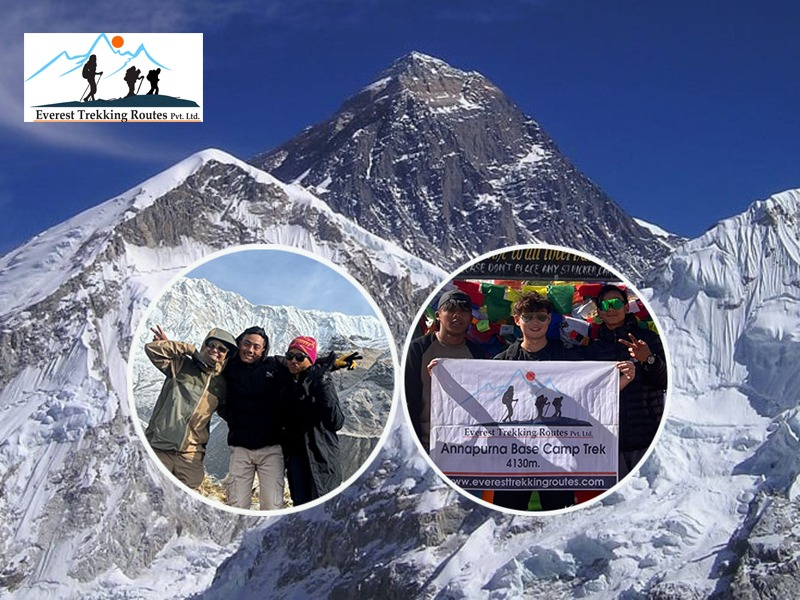
Picking a trek in Nepal sounds easy until you actually start looking. Every region has its own landscape, its own altitude demands, its own culture and its own level of effort. A trail that suits one person perfectly can leave another cold, tired or stuck on a delayed bus.
Nepal is more than a row of famous peaks. It’s Buddhist monasteries with prayer flags snapping in the wind, stone villages where yaks outnumber cars (there are no cars), and trails that can feel busy one week and nearly empty the next. This guide looks at four of the best-known routes: the Everest Base Camp Trek, the Annapurna Base Camp Trek, the Langtang Valley Trek and the Manaslu Circuit Trek.
We’ll go through routes, altitude, duration, permits, costs, accommodation, local culture and practical preparation. The aim is simple: help you choose a trek that fits your fitness, your time off, your budget and what you actually want from the trip.
Understanding Nepal’s Four Major Trekking Regions
Nepal’s trekking areas differ more than most people expect. Khumbu, around Everest, is high, dry and shaped by Sherpa life. Annapurna is greener, with terraced hills and Gurung villages. Langtang sits close to Kathmandu but feels tucked away. Manaslu is the wilder one, with fewer facilities and a strong Tibetan influence higher up.
Altitude, trail conditions, weather and access all matter here. Some routes follow well-established corridors with lodges every few hours. Others are remote, with long days between proper services, and small delays can ripple through the whole itinerary.
Choosing a trek from photos or popularity alone is a common mistake. A stunning picture tells you nothing about how many days you’ll be above 4,000 metres, or how the road to the trailhead feels after monsoon rain.
Everest Base Camp Trek – Walking Through Sherpa Country to the Foot of the World’s Highest Mountain
Route, Duration and Major Highlights
Most people start with the flight from Kathmandu to Lukla, then follow the classic trail through Phakding, Namche Bazaar, Tengboche, Dingboche, Lobuche and Gorakshep. Everest Base Camp sits at roughly 5,364 metres. Kala Patthar, the viewpoint most trekkers use for their best look at Everest, reaches about 5,545 metres.
Expect around 12 to 14 days, including acclimatisation stops. Those rest days aren’t padding. They’re the reason many people finish comfortably. Lukla flights are also weather-dependent, so it’s smart to keep a buffer day at the end.
Altitude, Culture and Trekking Difficulty
The trek isn’t technical, but the altitude is the real test. Climbing slowly and sleeping low when you can will do more for you than any amount of gym work. Along the way you’ll pass monasteries, mani walls and Sherpa villages where tea is offered almost automatically.
Teahouses provide beds and meals throughout. Menus get shorter and prices climb as you go higher, which is just logistics, since everything is carried in.
Everest Base Camp Trek Packages and Expected Costs
You can book a guided package or arrange things yourself. Packages usually bundle a guide, porter, lodging, meals, permits and domestic flights, though what’s included varies a lot. Before paying, ask which meals are covered, who pays for extra nights if flights are delayed, and whether the quote includes airport transfers.
Annapurna Base Camp Trek – Mountain Scenery, Gurung Villages and a Natural Himalayan Sanctuary

Route, Duration and Landscape
This trek is usually organised from Pokhara or Kathmandu, with a road transfer to a trailhead such as Nayapul, depending on the itinerary. From there, the path passes through Ghandruk and Chhomrong, then Bamboo, Deurali and Machhapuchhre Base Camp before reaching Annapurna Base Camp at about 4,130 metres. Travellers looking for a shorter, well-organised itinerary can also explore the Annapurna Base Camp Trek, which offers an opportunity to experience the Annapurna Sanctuary within a limited timeframe.
Most itineraries take between 7 and 12 days, with several route variations, so it’s worth asking the operator about the exact route, walking days and accommodation arrangements.
Guide and porter costs depend on how many trekkers share their services, meaning solo travellers generally pay proportionally more. A few additional expenses are also easy to overlook, including onward transport after the trek, hot showers and device charging at higher-altitude teahouses.
Local Culture and Everyday Trail Experience
The trail runs through Gurung and Magar communities, past terraced farmland, rivers and waterfalls. The forests, rhododendron especially, change the feel of the walk every day. You’ll stay in teahouses and eat dal bhat more often than you might have planned, and honestly that’s no hardship.
Annapurna Base Camp Trek Packages and Budget Planning
Both guided and private packages are common. Costs depend on transport, permits, accommodation, meals and guide services, as well as group size and the comfort level you choose. Compare what’s actually included rather than only the headline number.
Langtang Valley Trek – A Quieter Himalayan Journey Close to Kathmandu

Route, Duration and Main Attractions
The journey begins with a road trip from Kathmandu to Syabrubesi, the starting point of the trek. From there, the trail climbs through Lama Hotel and Langtang Village before reaching Kyanjin Gompa, a traditional settlement surrounded by impressive Himalayan scenery. Trekkers following the Langtang Valley Trek can experience this route’s mountain landscapes, local Tamang culture and peaceful villages along the way. Optional hikes to Kyanjin Ri or Tserko Ri offer wider views of the surrounding peaks, depending on your fitness, acclimatisation and weather conditions. Langtang Lirung dominates the skyline for much of the valley.
Tamang Culture, Local Recovery and Mountain Hospitality
Tamang settlements carry a clear Tibetan-influenced heritage, with monasteries, prayer flags and long-standing traditions. The valley was hit hard by the 2015 earthquake, and local communities have been rebuilding since. Staying in local lodges, hiring local guides and respecting the trail all help.
Langtang Valley Trek Packages and Practical Costs
Most trips run 7 to 10 days. Packages generally cover transport, a guide, lodging, food and permits. Check the road conditions and the state of the trail with your operator before you leave, since the drive to Syabrubesi can be slow and affects how many walking days you really get.
Manaslu Circuit Trek – Remote Mountain Villages and a Different Side of Himalayan Nepal

Route, Duration and High-Altitude Challenges
The Manaslu Circuit Trek starts with a road journey from Kathmandu to Machha Khola. It then moves through Jagat, Deng, Namrung, Lho, Samagaun and Samdo, before reaching Dharamsala and the crossing of Larke La Pass at about 5,106 metres. The descent heads towards Bimthang.
Plan on roughly 14 to 18 days. Acclimatisation matters a lot here, and the long pass day is serious.
Tibetan-Influenced Culture and Remote Mountain Life
Higher up, you’ll see stone houses, monasteries and Tibetan-influenced traditions. Facilities are limited and the atmosphere is calmer, which many trekkers value most about it.
Manaslu Circuit Trek Packages, Restricted Permits and Costs
Manaslu needs a restricted-area permit and an authorised guide arrangement. You’ll also need Manaslu Conservation Area and Annapurna Conservation Area permits. Packages typically cover the guide, porter, transport, lodging and meals. Overall, Manaslu takes more planning than the better-established routes, so start earlier.
Comparing the Four Nepal Treks: Which Route Matches Your Travel Plans?
Trekking Duration, Maximum Altitude and Difficulty Comparison
| Trek | Approximate highest point | General duration | Main experience |
| Everest Base Camp | 5,545 m (Kala Patthar) | 12–14 days | Everest scenery and Sherpa culture |
| Annapurna Base Camp | 4,130 m | 7–12 days | Mountain sanctuary and village culture |
| Langtang Valley | 4,984 m (Tserko Ri) | 7–10 days | Tamang culture and quieter trails |
| Manaslu Circuit | 5,106 m (Larke La) | 14–18 days | Remote Himalayan communities and high passes |
Treat these durations as rough guides. They shift with starting points, acclimatisation, transport and the itinerary you choose.
Best Seasons for Trekking in Nepal
Spring and Autumn: The Main Trekking Seasons
March to May brings warmer temperatures and rhododendron blooms, though mountain conditions can change quickly. September to November generally offers good visibility and settled trekking conditions.
Winter and Monsoon Considerations
Winter means cold, snow and possible high-pass closures. The monsoon brings rain, muddy trails, landslides and poor views. How much this matters depends on the region, so check suitability for your chosen trek.
Nepal Trekking Costs, Permits and Package Inclusions Explained
What Should a Complete Trekking Package Include?
A solid package covers guide and porter services, lodging and meals, domestic transport or flights where needed, conservation and restricted-area permits, airport transfers and emergency arrangements. If any of these are missing, ask why.
Understanding the Difference Between Budget and Premium Packages
Group departures usually cost less than private itineraries. Differences also show up in hotel categories, teahouse standards, guide experience, porter arrangements and overall service. Read the exclusions, extra charges and cancellation policy before committing.
Practical Advice Before Starting a Himalayan Trek
Fitness, Altitude Acclimatisation and Safety
Regular walking, uphill training and cardio work will help. Build in proper acclimatisation days, learn the signs of altitude sickness and know when descending is the right call. Take travel insurance that covers high-altitude trekking and evacuation.
Packing, Connectivity and Responsible Travel
Bring layers, broken-in boots, rain protection and personal medication. Carry enough cash, expect patchy charging and limited signal, and respect local customs, monasteries, wildlife and the rules on waste.
Choosing a Reliable Trekking Agency in Nepal
Check that the agency is registered, and ask about guide qualifications and experience. Request a detailed itinerary with clear inclusions, and find out how emergencies, insurance and cancellations are handled. An experienced local operator who knows your chosen region is worth a lot, so when you’re researching arrangements, companies such as Everest Trekking Routes are the kind of names you’ll come across and can compare.
Final Thoughts: Choosing the Right Nepal Trek for Your Himalayan Experience
Everest brings the big-name scenery, Annapurna the villages and forest, Langtang the quieter valley, and Manaslu the remote high-pass adventure. The right one depends on your time, fitness, altitude, experience, budget and cultural interests. Go for a realistic itinerary, proper acclimatisation and responsible local travel, rather than just ticking off a popular route.
Contact Details
——————————–
Everest Trekking Routes Pvt. Ltd.
16 Khumbu, Nayabazaar, Kathmandu, Nepal
Mobile : +977-9843467921 (Rabin)
Email: info@everesttrekkingroutes.com
URL:– www.everesttrekkingroutes.com
READ ALSO: Top Reasons to Choose The Leela Palace Udaipur for Your Next Luxury Getaway


