


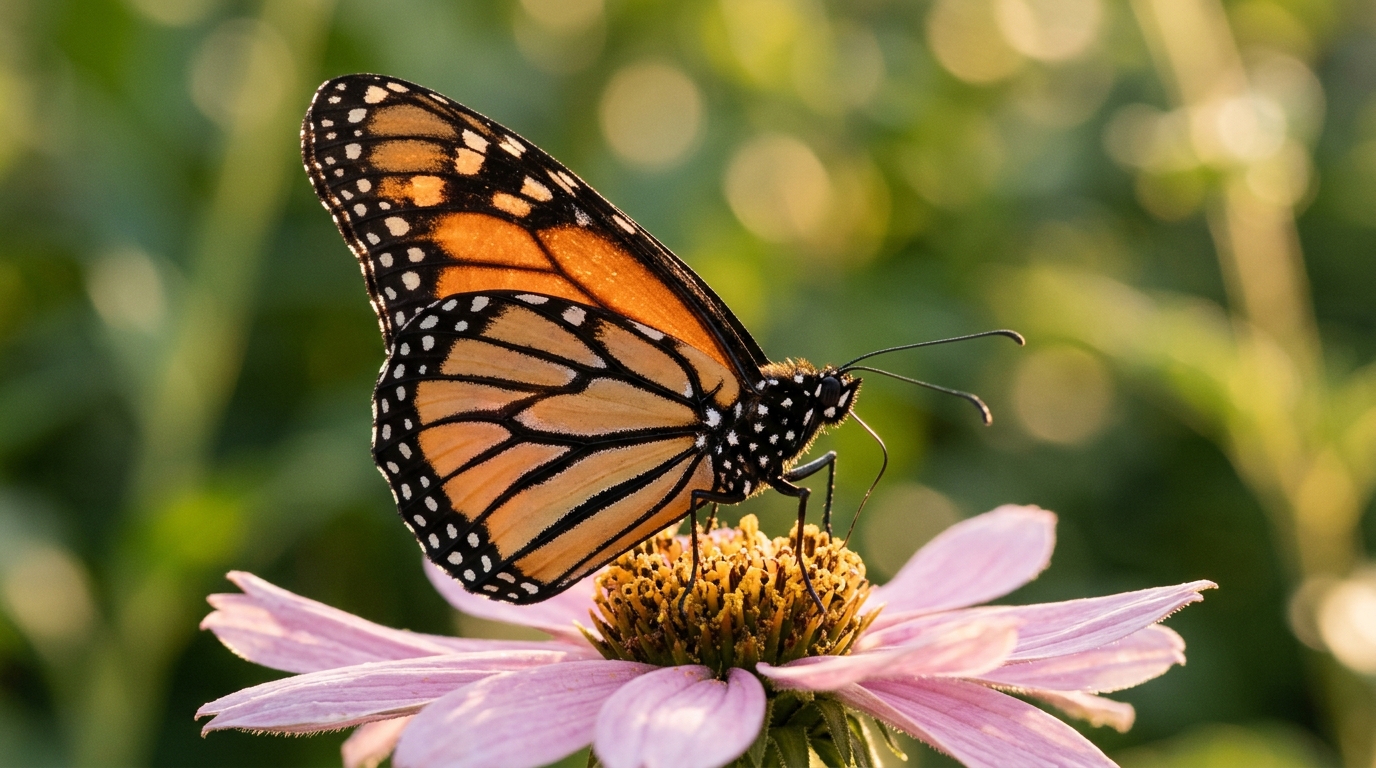
Butterflies are one of the most chosen tattoo subjects in the world, yet the reasons people pick them are rarely the same. If you are wondering what does a butterfly tattoo mean, the short answer is change, because the insect’s journey from caterpillar to winged adult is one of the easiest natural stories to read as personal growth. The longer answer reaches back to ancient Greece, to Aztec belief, to Japanese family crests and to modern memorial tattoos, and it also includes a few popular claims that are much weaker than they look.
Many of the pages that rank for this topic are close rewrites of one another, repeating the same list of meanings with no named sources. This guide separates what is well documented from what is only repeated online, and it also covers the practical side of getting a butterfly design that stays sharp for years.
Quick Facts About Butterfly Tattoo Symbolism
| Topic | What is documented |
|---|---|
| Most common modern meaning | Transformation, growth and starting a new chapter |
| Oldest well-documented link | The Greek word psyche means both “soul” and “butterfly” |
| Strongest cultural tradition | Mexico, where monarchs are tied to returning souls |
| Common modern uses | Memorials, recovery stories, milestones and pure love of nature |
| Color meanings | Modern conventions only, with no official or historical code |
| Biggest practical risk | Very fine lines soften with age and sun exposure |
What Does a Butterfly Tattoo Mean at Its Core?
Transformation and personal change
The idea most wearers share is metamorphosis. A butterfly begins life as a caterpillar, spends time sealed inside a chrysalis and then emerges with wings, which makes it a ready-made picture of a person coming out of a hard season changed. People commonly choose it after an illness, a move, a loss, a graduation or a career shift, and the design works because the story is understood without any explanation.
It is worth knowing that this reading is less universal than it feels. One literary essay on butterfly symbolism points out that the link between butterflies and transformation seems obvious to many people in the West, yet butterflies, caterpillars and moths have carried quite different meanings in different cultures and at different points in history.
Freedom, lightness and beauty
Because butterflies fly, wear bright colors and seem to drift without effort, many people also read them as a sign of freedom and independence. Others focus on the opposite quality, which is fragility. Adult butterflies live briefly, so a tattoo of one can serve as a reminder to value ordinary moments, and that mix of beauty and impermanence is a theme that appears in European art as well, where artists painted insects in still lifes to hint at how short life is.
Where the Soul Connection Comes From
The oldest and most repeated idea is that a butterfly represents the soul. According to Artnet’s history of butterflies in art, ancient Egyptian mythology first linked the insect with the soul’s transcendence, and the Greeks cemented the idea because their word for butterfly and for soul was the same. This is why the goddess Psyche is so often shown with butterfly wings, and why a Roman sculpture shows a butterfly leaving the mouth of a dead man, reflecting a belief that the soul departs that way.
In Christian Europe the image shifted toward resurrection. An art-history discussion of Japanese and Western butterfly imagery notes that the butterfly shedding its husk became a sign of new life, and it appears in paintings in the hands of the Child Jesus and the Madonna as a symbol of the resurrected soul. Archaeology magazine adds that Hindu tradition often treats the butterfly as a symbol of reincarnation, which shows how widely the same natural pattern was borrowed.

What Does a Butterfly Tattoo Mean in Different Cultures?

Mexico and the monarch
The best-documented living tradition comes from central Mexico. Archaeology magazine reports that the Aztecs, also called the Mexica, saw butterflies as the souls of warriors killed in battle, and one scholar quoted there suggests that the yearly arrival of monarchs from the north, a direction tied to death in many local traditions, may have helped shape the idea of the dead returning.
Today the monarch’s arrival in Michoacán and the State of Mexico coincides with Day of the Dead, and the National Wildlife Federation’s magazine notes that the Purépecha and Mazahua peoples traditionally see the butterflies as ancestors visiting from the afterlife. A monarch tattoo therefore carries a very specific meaning in this region, and it deserves some respect if you are not part of the culture.
Japan
In Japan the butterfly has long been tied to the soul as well, but with a gentler tone. According to Lafcadio Hearn’s accounts of Japanese folklore, a butterfly was seen as the personification of a person’s soul, whether the person was living, dying or already dead, and a butterfly that lands behind a bamboo screen was said to announce a visit from the person you love most. Butterflies also appear on family crests, kimono, origami and woodblock prints, and a pair of them is widely read as a sign of a happy marriage.
China and Europe
In China the most famous butterfly story comes from the ancient text Zhuangzi, in which the philosopher dreams he is a butterfly and wakes unsure which of the two he really is, so the insect there stands for the blurry line between dream and reality. In parts of Europe, folklore was less romantic. Some traditions treated a white butterfly as the soul of a child who had died, and a folklore overview notes that a black butterfly could mean either renewal or death depending on the culture.
Claims you should treat with caution
Many pages state that Native American traditions see the butterfly as joy and hope, or that Celtic mythology makes it a symbol of immortality, usually without naming a nation, a text or a scholar. There are hundreds of distinct Native American nations with different beliefs, so a single meaning cannot be accurate, and the Celtic claim is not backed by sources in the material reviewed for this article. Both are best treated as unconfirmed generalizations rather than established history.
What Does a Butterfly Tattoo Mean as a Memorial?
Remembrance is probably the most emotionally significant modern use. The soul symbolism described above gives a memorial butterfly real historical depth, and the Mexican and Japanese traditions in particular frame the insect as a visitor from someone who has passed. Some people pair the design with a loved one’s initials, a flower the person liked or a date written in small numerals, while others keep it simple so that the meaning stays private.
Does Color, Number or Species Change the Meaning?
Color is where online answers to “what does a butterfly tattoo mean” become least reliable. Lists that assign blue to peace, red to passion or pink to love are repeated across many sites, but no historical code supports them, and they are best understood as modern personal conventions that a tattoo artist and client can define together. The one color with some folklore behind it is black, for the mixed renewal-and-death reading mentioned earlier.
Species and number carry more weight than color. A monarch connects the design to Mexico and to the insect’s long migration, while the Japanese emperor butterfly, the national butterfly of Japan, ties it to Japanese culture, and two butterflies together echo the Japanese marriage symbolism. Moths are a separate group with their own associations, so they should not be assumed to share a butterfly’s meaning.
Styles and Placement That Work Well
Butterfly designs suit nearly every style, including fine line, watercolor, geometric, realistic color and solid blackwork. Fine line is currently the most requested, and it comes with trade-offs that wearers rarely hear about in advance. A tattoo artist who specializes in the style is essential, because according to one fine line guide, an artist who goes too shallow risks the ink falling out during healing, while going too deep causes a blowout, which is a blurry spread of ink under the skin.
Placement affects how a design ages more than most people expect. Areas that rub against clothing, shoes or other skin lose clarity fastest, and fine line guides advise against fingers, palms and feet, while inner wrists, forearms, collarbones and ankles are common choices that tend to hold up better. Sunscreen is the most effective habit for protecting delicate lines, and one wearer of a fine line blue butterfly reported that it faded noticeably until she became diligent about sun protection.

Choosing a Design That Fits Your Story
Many online answers to “what does a butterfly tattoo mean” skip a simple step, which is to decide on the meaning before the artwork, because the same butterfly can honor a loss, mark a recovery or simply celebrate nature, and each purpose suggests different details such as a single insect, a pair, a flower or a date. Bring two or three reference images to your consultation, ask to see healed photos of the artist’s earlier work and be open to size adjustments, since a design that is too small may blur over time even in skilled hands.
Frequently Asked Questions
Is a butterfly tattoo only for women?
No. Butterflies are often described as feminine because beauty is commonly associated with femininity, but nothing in the history of the symbol restricts it to one gender, and its themes of change and the soul apply to anyone.
Does a butterfly tattoo hurt?
Pain depends mostly on where it is placed rather than on the style, so bony or thin-skinned areas hurt more than fleshy ones. Fine line sessions can be shorter than bold work, which sometimes means less total discomfort.
How long will a fine line butterfly last?
A well-done design can last many years, but one guide estimates that lines look noticeably softer after five to ten years. Sun protection and an experienced artist make the biggest difference.
How much does a butterfly tattoo cost?
There is no standard price, since cost depends on size, detail, the artist and your city. Ask for a quote after a consultation instead of relying on figures from online lists, which vary widely.
Does the body placement change the meaning?
Not in any established way. Placement is usually a practical or aesthetic choice, though some people put a memorial butterfly somewhere private and a celebratory one somewhere visible.
What does a butterfly tattoo mean if I just like the look of it?
It can simply mean that you enjoy the design. The symbolism is optional, and many wearers add meaning later or never assign any at all.
Conclusion
Understanding what does a butterfly tattoo mean comes down to separating the well-documented traditions from the generic claims. Transformation is the safest shared reading, while the soul connection in Greek, Mexican and Japanese traditions gives the design its deeper roots, and the most meaningful tattoos are those where the wearer’s own story decides the details.
Disclaimer: This article is for general information and cultural context only. Tattoos are permanent, so discuss design, placement, skin conditions and aftercare with a licensed professional tattoo artist, and consult a doctor if you have health concerns that could affect healing.
EXPLORE MORE: Mid Taper Fade Fringe: What It Is, Who It Suits, and How to Get It Right

I’m Muhammad Ubaid, founder of YBR Magazine. I research and write detailed guides on America’s National Parks — covering entry fees, permits, best times to visit, and planning tips — using official NPS sources and up-to-date information.

