

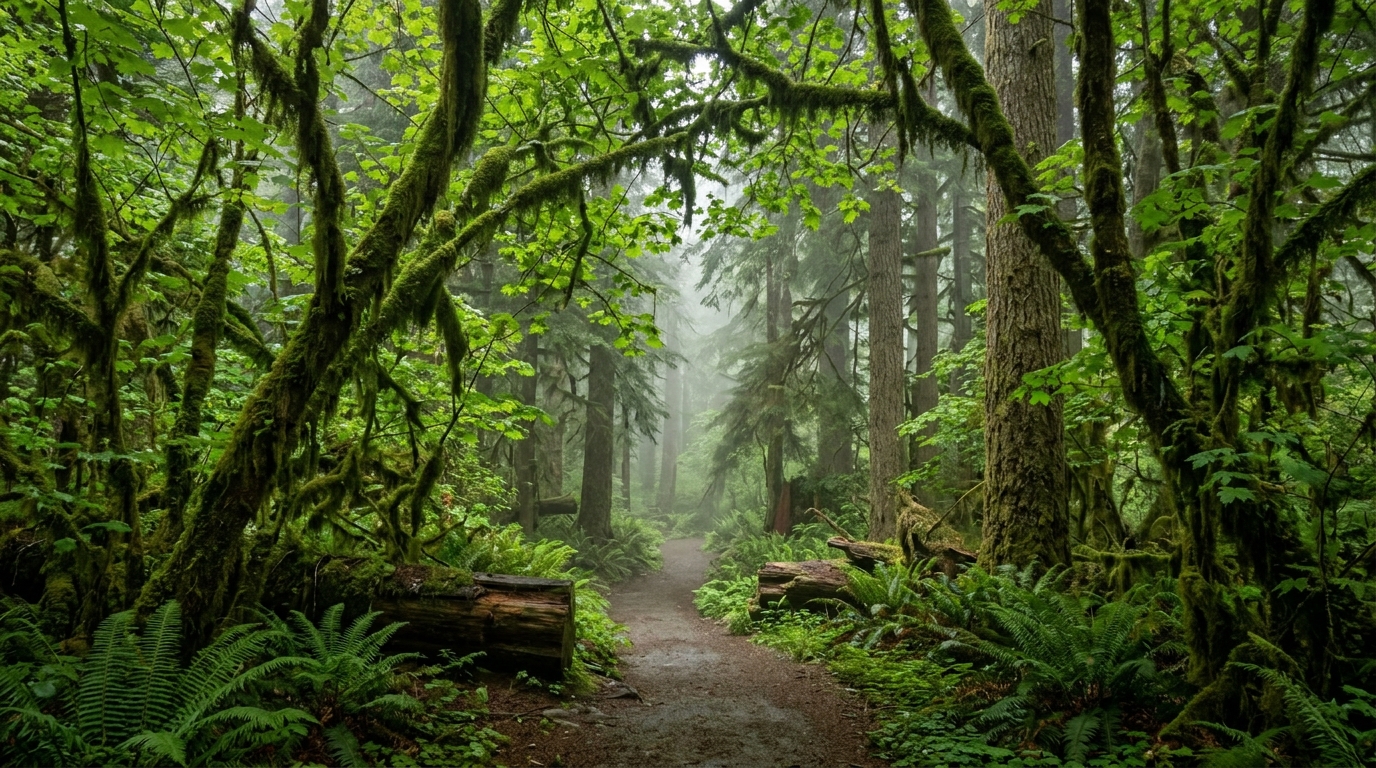
Planning a journey across the western edge of the United States requires looking closely at how different environments shift from sandy beaches to snowy volcanic peaks. Travelers often group distant inland landmarks into their coastal plans, which leads to exhausting driving schedules and missed sights. Finding the best national parks west coast means focusing strictly on protected public lands touching the Pacific or sitting within the parallel mountain chains of California, Oregon, and Washington.
Understanding the West Coast National Parks Region
Defining the true Pacific coastal territory helps travelers separate genuine seaside and mountain reserves from landlocked interior deserts and canyons.
The western coastal region spans three primary states facing the Pacific Ocean, featuring unique weather patterns heavily influenced by marine air currents. Public lands situated hundreds of miles inland, such as the Grand Canyon or Zion, belong to different geographic zones despite frequently appearing in tourist guidebooks alongside West Coast destinations. Understanding this boundary ensures that visitors prepare for coastal fog, temperate rainforest precipitation, and steep mountain elevations rather than dry desert heat.
Recognizing these distinct geographic borders allows vacationers to build realistic daily driving plans without underestimating the vast distances between northern and southern reserves.
Iconic Coastal and Forest Parks in California
California holds some of the most famous coastal and giant tree parks that define the classic West Coast experience.
Redwood National and State Parks protect the tallest trees on Earth along a foggy, wave-battered stretch of Northern California coastline. Visitors walking beneath these massive canopies experience cool ocean breezes mixing with damp forest scents while sunlight struggles to reach the fern-covered ground. Further south along the ocean boundary, Channel Islands National Park provides an isolated marine sanctuary accessible only by boat or aircraft, protecting unique wildlife found nowhere else on the planet.
Moving inland toward the mountain spine of California reveals contrasting alpine terrain, but the coastal strip remains entirely defined by these moist, tree-heavy lowlands.
Volcanic Peaks and Mountain Parks of the Pacific Northwest
Washington and Oregon offer completely different landscapes, featuring massive snow-capped volcanoes and temperate rainforests.
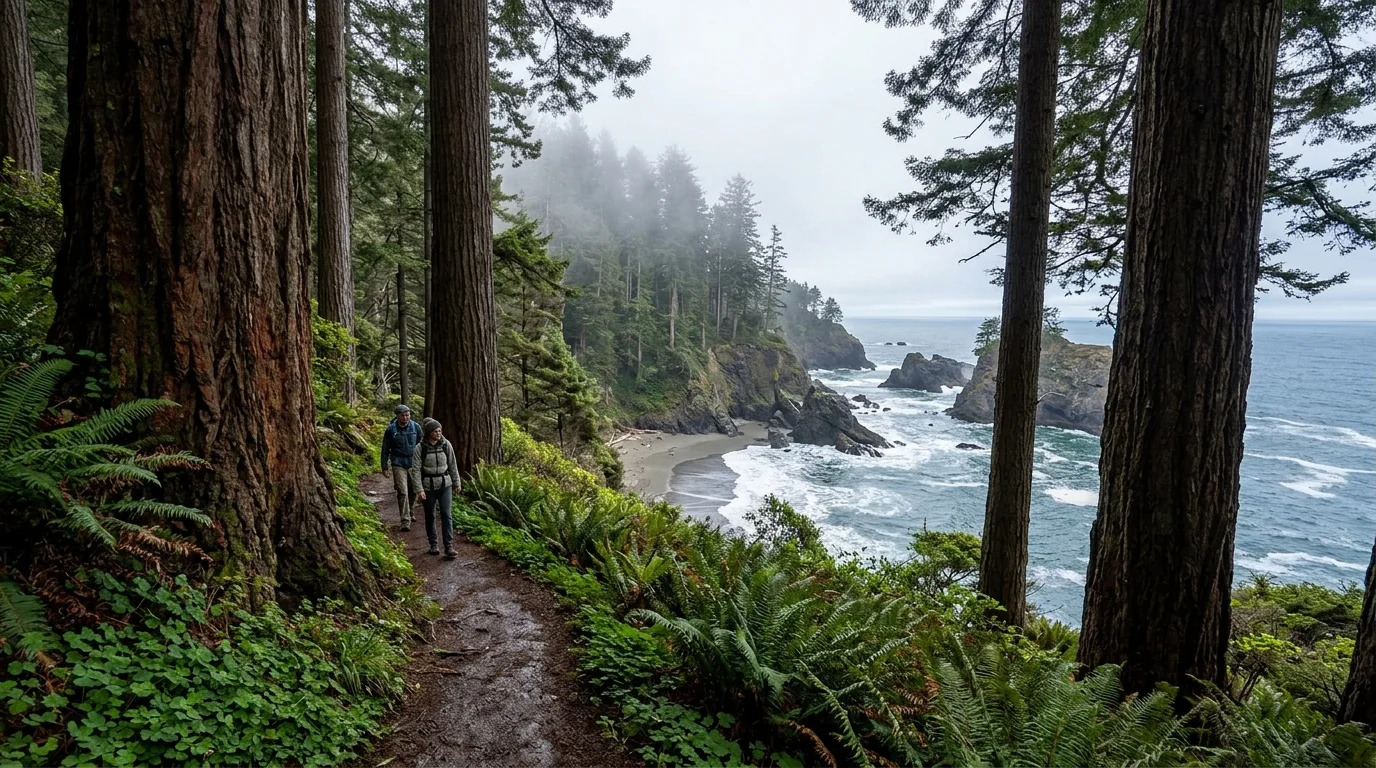
Olympic National Park in Washington wraps around the Olympic Peninsula, offering a rare combination of rugged Pacific beaches, glacier-capped mountains, and the dense Hoh Rain Forest. Down in Oregon, Crater Lake National Park preserves an exceptionally deep blue lake nestled quietly inside the collapsed remnants of an ancient volcano. The Pacific Northwest climate brings significantly more rainfall than Southern California, resulting in vibrant green mosses, powerful rushing rivers, and towering evergreen forests.
These northern reserves demand waterproof gear and flexible packing lists due to fast-changing weather coming straight off the open ocean.
Best Times of Year to Visit the West Coast Parks
Weather patterns vary wildly along the coast, ranging from heavy winter rains in the north to hot, dry summers in the south.
Summer offers the safest road conditions and fully melted snowpacks across high-elevation mountain passes in Washington and Oregon. However, summer also brings heavy traffic congestion and crowded parking lots to every major coastal landmark. Spring and autumn provide milder temperatures and lighter crowds, though northern coastal areas frequently experience chilly winds and steady rainstorms outside of the dry summer months.
Southern California reserves stay pleasant during spring and late autumn, while summer afternoons inland can become intensely hot.
Planning a West Coast National Park Road Trip
Travelers usually want to visit more than one park at a time, making logical route planning essential for a successful trip.

Trying to see Washington, Oregon, and California parks in a single week creates an impossible driving itinerary rather than a relaxing vacation. Vacationers should choose a focused path, such as pairing the Olympic Peninsula with Mount Rainier, or exploring the winding coastal highways of Northern California. For those looking to expand their travels beyond the coast into neighboring states, reviewing Utah national parks ranked can help structure a broader southwestern road trip.
| State | Primary Ecosystem | Key National Park |
|---|---|---|
| Washington | Temperate rainforest and glaciers | Olympic National Park |
| Oregon | Volcanic caldera lake | Crater Lake National Park |
| California | Ancient coastal redwoods | Redwood National and State Parks |
Public transportation options are very limited near these protected lands, making a reliable rental car essential for road trippers. Checking official federal park websites before departure ensures that visitors stay updated on sudden road maintenance, seasonal closures, and vehicle reservation requirements. If you are extending your journey southward into California’s high country, taking time to plan one day in Sequoia National Park offers an incredible opportunity to see massive ancient trees and navigate winding mountain routes.
What makes the West Coast national parks region different from inland areas?
West Coast national parks feature marine climates, coastal fog, temperate rainforests, and Pacific shorelines that contrast sharply with dry inland desert regions.
Which West Coast national park contains a deep volcanic lake?
Crater Lake National Park in Oregon preserves a massive, exceptionally deep alpine lake formed inside a collapsed volcano caldera.
Is Washington state officially part of the West Coast national parks region?
Yes, Washington holds iconic coastal and mountain reserves like Olympic National Park and Mount Rainier National Park.
Can I visit every West Coast national park during a single road trip?
Covering all parks in Washington, Oregon, and California requires thousands of miles of driving, so most travelers choose one specific state or region per trip.
What is the best time of year to visit Pacific Northwest national parks?
Summer provides the most reliable weather and fully open mountain roads, while spring and autumn bring fewer crowds but higher chances of rain.
Do I need advance reservations to enter popular West Coast national parks?
Some highly visited locations require advance vehicle reservations or timed-entry permits during peak summer months, so checking official rules beforehand is vital.
Disclaimer: Park rules, road conditions, and entry reservation policies can change throughout the year. Always verify current details from official government sources before planning your travel.

I’m Muhammad Ubaid, founder of YBR Magazine. I research and write detailed guides on America’s National Parks — covering entry fees, permits, best times to visit, and planning tips — using official NPS sources and up-to-date information.