

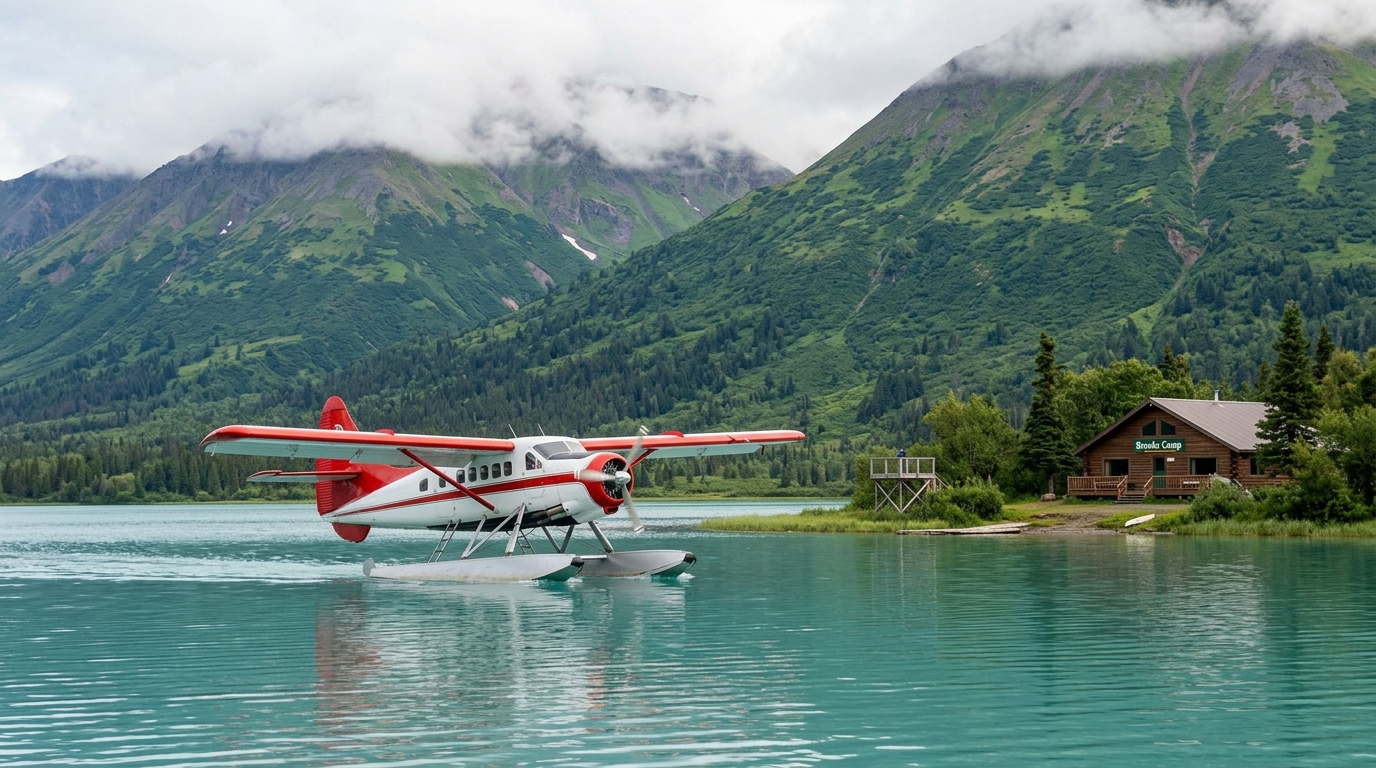
Planning a Katmai National Park day trip is completely unlike visiting almost any other national park in the United States. Katmai National Park has no roads connecting to it, meaning visitors cannot simply rent a car and drive in. Instead, a successful Katmai National Park day trip requires booking a floatplane flight, usually departing from coastal towns like Homer, Anchorage, or King Salmon, depending on weather conditions. Furthermore, the main attraction—seeing brown bears catch salmon at Brooks Falls—is heavily restricted by the National Park Service. A practical travel guide for this topic must immediately address the extreme logistics, high costs, and weather dependency rather than focusing on standard hiking trails or scenic driving routes.
Can You Actually Do a Day Trip to Katmai National Park?
Travelers can indeed complete a day trip to Katmai National Park, but the entire journey depends heavily on weather conditions and advanced reservations.
Most visitors arrive at Brooks Camp for just a few hours before flying back out before dark. Because commercial flights and air taxis run on tight schedules, travelers must accept that delays happen frequently in the Alaskan wilderness. When planning a Katmai National Park day trip, visitors need to understand that the park service limits daily visitor numbers to protect the local ecosystem and manage bear viewing areas safely. Visitors must also factor in the physical fatigue of taking multiple small flights in a single day, as the journey involves early morning departures and late evening returns.
How to Get There by Air
Reaching Katmai National Park for a day trip requires taking a small floatplane or bush plane because no roads lead into the park.
Flights typically depart from hubs like Anchorage, Homer, or King Salmon. Once the small aircraft lands on the water near Brooks Camp, visitors step out into a remote environment with very limited modern infrastructure. Booking these flights requires reserving seats many months in advance, especially during the peak summer salmon run in July and September. Travelers should also check baggage weight limits imposed by air taxi operators, as small aircraft have strict cargo restrictions for safety reasons.
Seeing the Brown Bears at Brooks Falls
Watching brown bears fish for salmon at Brooks Falls is the primary reason travelers make this expensive and complex journey.
According to the National Park Service, visitors must attend a mandatory bear orientation briefing immediately upon arrival at Brooks Camp before heading out to the viewing platforms. The elevated wooden platforms keep people safe while giving visitors a clear view of the wildlife. Park rangers enforce strict capacity rules at the viewing areas, meaning visitors might occasionally wait their turn if the platforms reach maximum capacity during peak hours. Understanding bear behavior and respecting personal space boundaries are mandatory skills for everyone who steps foot on the viewing trails.
Costs, Weather Risks, and Practical Downsides
A realistic look at a Katmai National Park day trip must highlight the significant financial costs and the constant risk of weather cancellations.
Floatplane travel is notoriously expensive, often costing hundreds or thousands of dollars per person depending on the departure point. Furthermore, heavy fog, rain, or high winds can ground small planes instantly, forcing travelers to cancel or postpone their trips with little warning. Visitors should also note that Brooks Camp offers very basic amenities, so travelers must bring their own food, rain gear, and personal supplies for the day.
To help you prepare your travel schedule, some visitors compare these remote Alaskan excursions to the logistics required for a multi-day desert trip to Death Valley National Park, where remote conditions also demand careful planning.

Essential Planning Tips and Official Resources
Checking official guidelines from park authorities is the best way to avoid unexpected problems during your visit.
According to the National Park Service, visitors should monitor active wildlife alerts, bear viewing code of conduct rules, and day-use permit requirements before booking flights. Travelers should always purchase flexible flight tickets or travel insurance when possible, given how quickly Alaskan weather can alter travel plans. Keeping a close eye on park service announcements helps ensure that sudden policy updates do not disrupt your travel timeline.
Frequently Asked Questions About Visiting Katmai
Can you drive to Katmai National Park?
No roads lead to Katmai National Park, so visitors must arrive by floatplane or boat.
What is the best time of year for a Katmai National Park day trip?
July and September are the most popular months because the salmon runs bring large numbers of brown bears to Brooks Falls.
Do I need a permit to visit Brooks Camp?
According to the National Park Service, day visitors must pay user fees and attend a mandatory bear orientation, and advance reservations are strongly recommended.
What happens if bad weather cancels my floatplane flight?
Airlines and air taxi operators will either try to reschedule your flight or issue a refund, depending on their individual company policies.
Are there restaurants or hotels at Brooks Camp?
Brooks Camp has limited facilities, including a lodge and basic cabins, but day-trippers should pack their own snacks, water, and waterproof gear.
How close do you get to the brown bears?
Visitors view bears from secure, elevated wooden platforms, but bears frequently walk along the paths and camp borders, requiring strict adherence to safety rules.

I’m Muhammad Ubaid, founder of YBR Magazine. I research and write detailed guides on America’s National Parks — covering entry fees, permits, best times to visit, and planning tips — using official NPS sources and up-to-date information.