

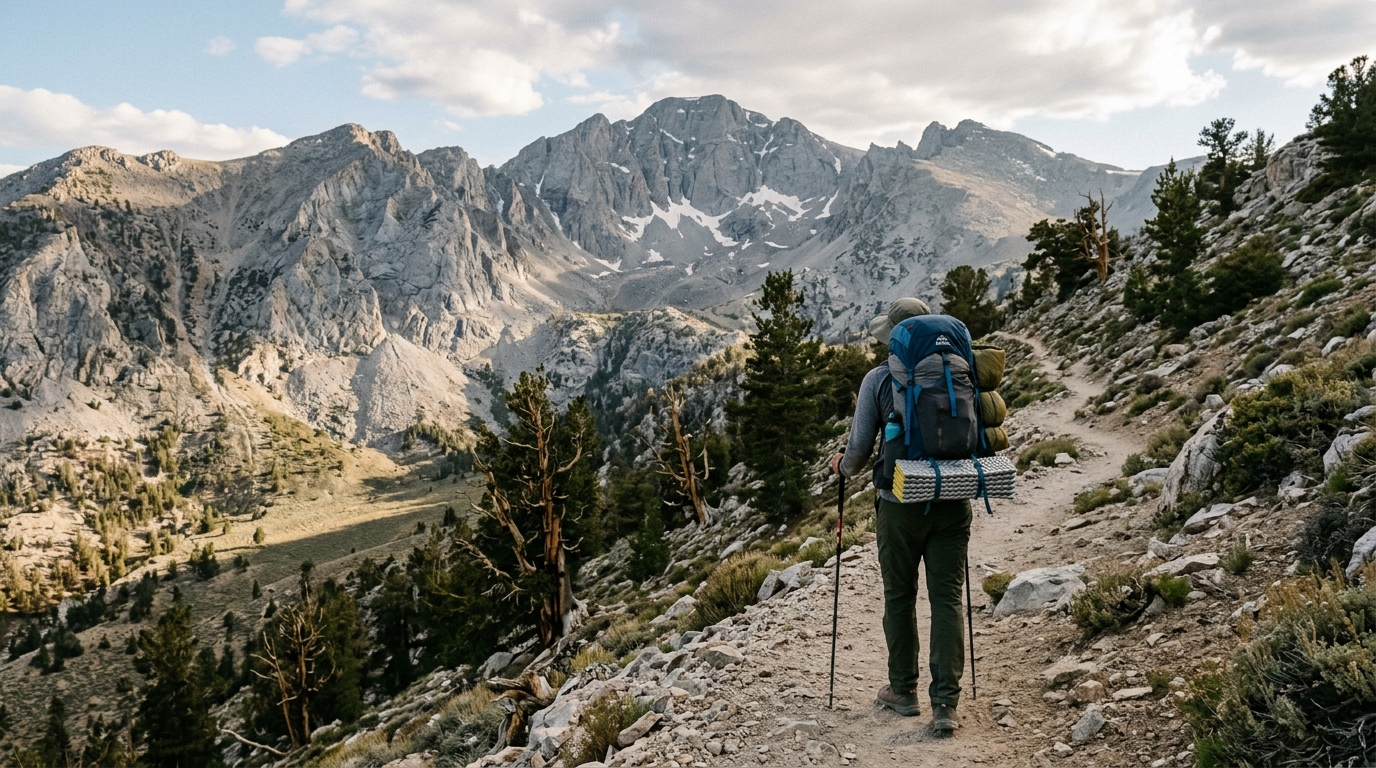
Planning a trip into the backcountry of eastern Nevada offers a unique adventure far away from large crowds and busy tourist spots. Backpacking Great Basin National Park means stepping into a quiet wilderness filled with ancient bristlecone pine trees, limestone caves, and towering mountain peaks. Unlike green mountain ranges in other states, this remote park presents serious challenges like thin air, sudden weather changes, and very dry trails. Preparing properly for these demanding conditions keeps overnight trips safe, comfortable, and deeply rewarding.
Navigating the Remote Peaks and Ancient Groves of Eastern Nevada
Navigating the Remote Peaks and Ancient Groves of Eastern Nevada requires adjusting to extreme isolation and high elevation right from the start. Wheeler Peak and the surrounding mountain ridges tower high above the desert floor, meaning every single step requires more physical effort as oxygen levels drop significantly. Great Basin National Park also sits in a very dry corner of the state, making natural water sources hard to find once hikers leave the main valley floors. While the dark night skies and ancient groves are incredible to experience, the harsh desert-mountain environment demands careful planning and deep respect for nature’s limits.
Navigating Backcountry Registration Rules and Alpine Campsites
Navigating Backcountry Registration Rules and Alpine Campsites ensures compliance with park regulations designed to protect fragile ecosystems. According to the National Park Service, overnight visitors must understand registration rules, designated camping areas, and seasonal trail closures before heading out into the wilderness. Backpackers need to check in with park staff or use official registration kiosks depending on current guidelines. Most high-elevation campsites have strict rules to protect delicate alpine plants and ancient tree roots from heavy foot traffic. Knowing these regulations ahead of time helps prevent unexpected fines and protects the delicate mountain environment for future visitors.
Hydrating Along Arid High-Altitude Desert Trails
Hydrating Along Arid High-Altitude Desert Trails demands careful carrying capacity because natural water sources are scarce and unreliable along the upper routes of Great Basin National Park. Hikers cannot rely on finding running streams or dependable springs near high-altitude ridges during drier summer months. Carrying all necessary drinking water from the trailhead is often required, which adds significant weight to heavy backpacks and requires smart rationing. Filtering any natural water found in backcountry springs or creeks is also essential to remove harmful bacteria and parasites before drinking.
Surviving Sudden Thunderstorms and Thin Air on Wheeler Ridge
Surviving Sudden Thunderstorms and Thin Air on Wheeler Ridge requires constant vigilance because routes start very high and climb higher, exposing hikers to rapid temperature drops, lightning risks, and sudden altitude sickness. Afternoon thunderstorms develop quickly over Wheeler Peak during the summer months, bringing dangerous lightning strikes to open areas far above the tree line. Daytime temperatures can feel quite warm under the strong desert sun, but nighttime lows frequently drop below freezing even during July and August. Travelers must watch the sky closely and be ready to turn back or seek lower ground if stormy weather rolls in unexpectedly.
Selecting Specialized Alpine Gear for Freezing Desert Nights
Selecting Specialized Alpine Gear for Freezing Desert Nights prevents cold-related emergencies because surviving sub-freezing temperatures and intense sun requires specific equipment that standard camping lists leave out. Warm sleeping bags rated for freezing weather are necessary because alpine winds chill tents very quickly after the sun goes down behind the peaks. Hikers also need strong sun protection, including wide-brimmed hats, polarized sunglasses, and heavy-duty sunscreen to handle the intense ultraviolet rays at high altitudes. Packing extra layers of warm clothing, a reliable camp stove, and a sturdy shelter ensures safety when unpredictable mountain weather strikes.
For more wilderness adventure ideas in remote protected areas, you can explore our guide on Alaska wilderness activities and giant park tours.
Frequently Asked Questions
Do I need a permit for backcountry camping in Great Basin National Park?
According to the National Park Service, overnight backpackers must follow current registration rules and camp only in designated backcountry areas or sites.
Where can I find reliable water sources on the trails?
Natural water sources are very limited and unreliable at higher elevations, so hikers should carry enough water from the trailhead and filter any natural sources they find.
When is the best time of year for backpacking Great Basin National Park?
The summer months between July and September offer the most accessible trail conditions, though high-altitude snow can linger into early summer and storms happen often.
How high do the trails go in this park?
Trails frequently start above eight thousand feet and climb past ten thousand feet, making altitude sickness a real possibility for unacclimated visitors.
Are campfires allowed in the backcountry?
Campfires are generally restricted or prohibited in high-elevation zones to protect fragile vegetation and prevent wildfires, so backpackers should bring a stove for cooking.
Can I see ancient trees while backpacking?
Backpackers can hike past groves of bristlecone pines, which are among the oldest living organisms on Earth, living for thousands of years in harsh alpine conditions.
Disclaimer: Park rules, trail conditions, and permit requirements can change over time. Always verify current guidelines and weather forecasts directly from official park sources before starting any backcountry trip.
I’m Muhammad Ubaid, founder of YBR Magazine. I research and write detailed guides on America’s National Parks — covering entry fees, permits, best times to visit, and planning tips — using official NPS sources and up-to-date information.