


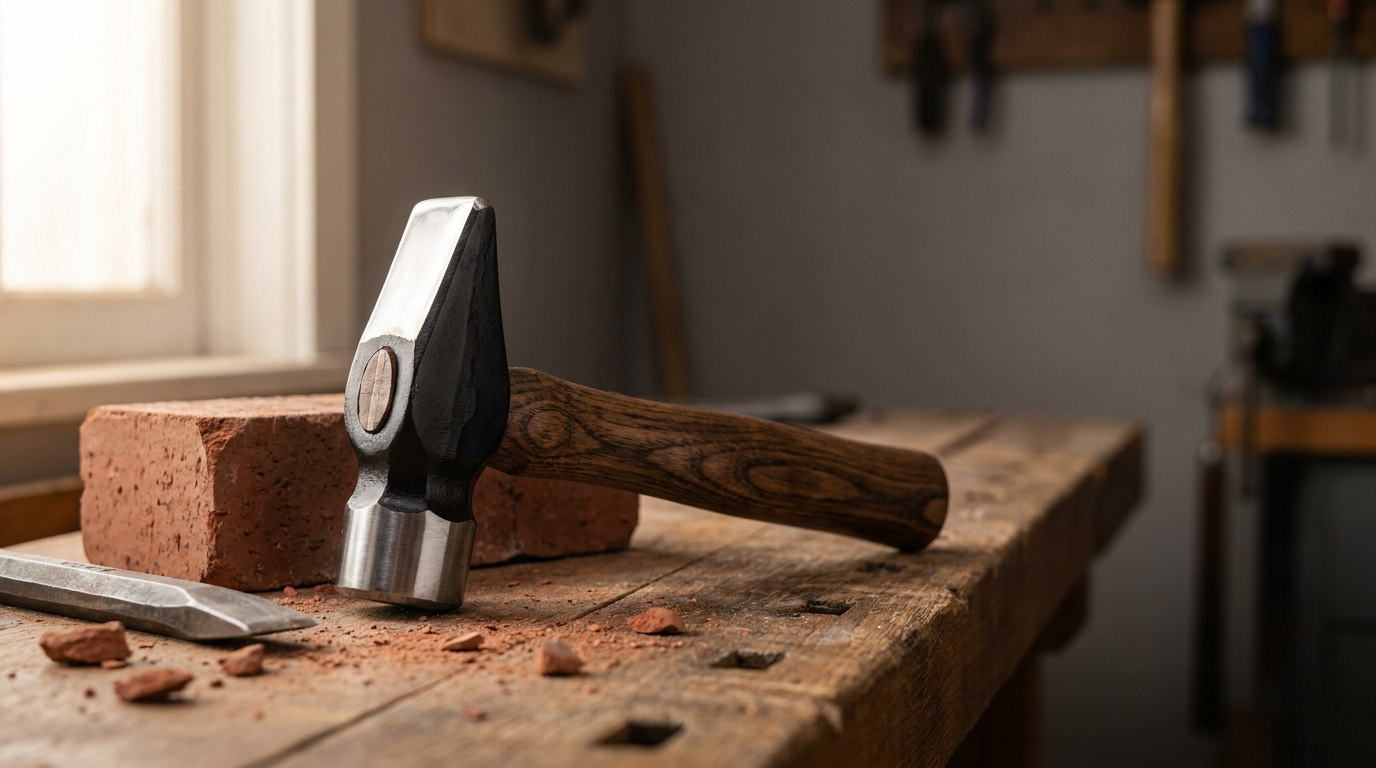
If you are looking for a short-handled striking tool for masonry, chiseling, or general heavy work, the bon tool mashing hammer 11-177 is one of the more affordable choices from a brand best known for the trowel trades. This guide gathers what Bon and major retailers say publicly about the hammer, points out where the listings leave gaps or disagree, and explains how to use it safely so you can decide whether it fits the jobs you have in mind.
A quick note on naming helps avoid confusion while you shop. Bon’s own product text calls this tool a mash hammer, while many shoppers type “mashing hammer” into search boxes. Both phrases point to the same family of heavy, double-faced hammers with short handles, and some retailers list the style as a club/mash hammer, while UK safety guidance for the same type of tool refers to lump or club hammers.
Quick Facts at a Glance
Quick facts about the Bon Tool Mashing Hammer 11-177
| Detail | What is publicly stated |
|---|---|
| Brand and model number | Bon Tool, model 11-177 |
| Tool type | Mash hammer (double-faced, short handle) |
| Head weight | 3 lb |
| Head material and finish | Forged steel with a polished face and a rust-resistant black finish |
| Handle | Short, thick hickory |
| Replacement handle | Listed by a dealer as Bon part #11-810 (verify fit before buying) |
| Overall length | Not stated in the listings reviewed |
| Price seen during research | About $20.20 at Home Depot (varies by seller and date) |
| Return window at Home Depot | 90 days from purchase |
What the Bon Tool Mashing Hammer 11-177 Is Built For

According to Bon’s product text as reproduced by the dealer ToolsID, the hammer has a forged steel head with a polished face, a rust-resistant black finish, and a short, thick hickory handle. Home Depot’s listing for the same model number says much the same thing, describing durable steel, a lightweight 3 lb build, and a wooden handle. Bon also states that it has been making professional tools for the trowel trades for more than six decades, which explains why most of its mash hammers are aimed at brick, block, and stone work.
Head and finish
A polished face matters on a tool like this because it is the part that meets chisels, punches, and nails. The black finish is described as rust resistant, which is useful for a hammer that often lives in a truck, a job-site box, or a damp garage. Bon does not publish a hardness rating or steel grade for this model, so any claim about exact heat treatment you may see elsewhere should be treated as unconfirmed.
Handle and construction details worth double-checking
Home Depot’s listing advertises single-piece forged construction, yet the same page says the hammer has a wooden handle. The most sensible reading is that the claim refers to the head being forged from one piece of steel, but neither listing explains it, so it is better treated as unclear than assumed. Overall length is also missing for this model. A different Bon hammer, the steel-handled 11-493, is listed at 11-3/4 inches overall, but that figure should not be applied to the wooden-handled 11-177.
Practical Uses for a 3 lb Mash Hammer
Bon’s listings do not spell out a task list, so the clearest picture comes from how similar hammers are described. A retailer listing for a 3 lb club/mash hammer from another maker says this type is meant for use with chisels, punches, star drills, and hardened nails, and that it allows heavy blows without a long swing. That short-swing quality is the main reason people pick a mash hammer over a long-handled sledgehammer, since it works well in tight spots such as a wall opening, a trench edge, or a low corner where a full swing is impossible.
In everyday terms, a hammer of this weight suits breaking or trimming brick and block with a masonry chisel, knocking out mortar joints, driving a punch or drift, and light demolition around a project. A 3 lb head is a middle option that gives more force than a typical carpenter’s hammer without the fatigue of a heavy sledge over a long day.
Jobs It Is Not Meant For
A mash hammer is a blunt striking tool, so it is a poor choice for finishing work. Steel faces can scar concrete pavers, and Bon sells separate rubber-faced and dead blow hammers for that kind of setting work, including a 4 lb rubber-face paver hammer (21-804) and a 3 lb dead blow hammer (21-143). Using the right tool for the surface saves both the material and the hammer.
It is also important not to pair the hammer with the wrong chisel. Hand-tool safety guidance from the Workers Compensation Fund warns against using ordinary cold chisels to cut or split stone or concrete, which means a proper masonry chisel is the better partner for brick and block. Safety guidance also repeatedly advises against striking anything harder than the hammer head itself, and against striking one hammer with another.
Safety Checklist Before You Swing

Eye protection comes first. Maine’s SafetyWorks program notes that improper use of hammers and chisels is a common cause of hand injuries and that flying nails, metal, and concrete chips cause many eye injuries. Safety glasses or goggles are the minimum when you use the bon tool mashing hammer 11-177 on masonry or metal, and a screen or a bystander check is wise when other people are nearby.
Manufacturer guidance from the UK brand Sealey adds a few rules that apply to any hammer of this type. The striking face should always be larger than the head of the tool being struck, with the example given that a 12 mm cold chisel head needs a face of at least 25 mm. Blows should land squarely and not with the side cheek of the head, and nobody should hold a nail or chisel in place for someone else to strike. Grease or oil on the handle or face increases the chance of a slip, so wipe both clean before starting.
Handle Care and Replacement
The wooden handle is the part of this hammer most likely to need attention over the years. Sealey’s guidance says that drying out of wooden handles is a significant cause of loose hammer heads, so it is worth checking the head for movement from time to time, especially after the tool has sat in a hot or very dry space. A loose head can fly off mid-swing, which makes this a safety problem rather than a cosmetic one.
When a handle does need replacing, the dealer listing for the 11-177 points to Bon’s replacement handle #11-810. I could not find a separate public listing for that part during research, so it is wise to confirm the fit with the seller or with Bon before ordering. For reference, Bon describes its American hickory replacement handles for other hammers as chosen to reduce recoil shock and vibration, and similar thinking likely applies here, although that is not stated for this model.
How It Compares With Other Bon Mash Hammers
Bon sells the same style in several weights and handle types, so it helps to see the lineup side by side. The prices below are what Home Depot showed at the time of research and will change over time, so they are best read as a rough guide rather than a fixed price list.
| Model | Head weight | Handle | Price seen at Home Depot |
|---|---|---|---|
| 11-171 | 2 lb | Hickory | $29.83 |
| 11-177 | 3 lb | Hickory | $20.20 |
| 11-317 | 4 lb | Hickory | $40.98 |
| 11-493 | 3 lb | Nylon cushion grip, one-piece steel | $46.82 |
The most interesting detail is that the 2 lb version was priced higher than the 3 lb model, which suggests that prices depend on stock, seller, and timing more than on weight. A second dealer listed the 11-493 at $56.44 and marked it out of stock, so shopping around is worthwhile. Choose the 2 lb model for lighter, more controlled work, the 4 lb model if you want more force and do not mind the extra fatigue, and the 11-493 if you prefer a cushioned grip over wood.
Is the Bon Tool Mashing Hammer 11-177 Worth Buying?
For occasional masonry work, home renovation, or a general tool collection, this hammer looks like a sensible, low-cost pick. Its main strengths are the middle weight, the forged steel head with a polished face, and a price that sat at the low end of Bon’s mash hammer range when checked. Home Depot’s 90-day return window also lowers the risk if the fit or feel is not right.
It may be less suitable for full-time professionals who want a cushioned grip, a longer handle for more leverage, or documented specifications such as overall length and steel grade. Because the public listings are fairly brief and several of them repeat the same manufacturer text, it is also fair to say that independent reviews of this specific model are hard to find, so buyers are relying mostly on Bon’s own description.
Frequently Asked Questions
Is the Bon tool mashing hammer 11-177 the same as a club hammer?
For practical purposes, yes. Mash hammer, club hammer, and lump hammer are different regional names for a short-handled, double-faced hammer used for heavy blows, although Bon itself uses the name mash hammer.
Can this hammer be used to drive masonry nails?
Sealey’s guidance says hardened masonry nails should only be struck with a lump or club hammer, which describes this style of tool. Bon’s listings for the 11-177 do not mention nails, so wear goggles and follow the nail maker’s instructions.
Does it come with a warranty?
No warranty terms for the 11-177 appeared in the listings reviewed, so it is not publicly confirmed. Ask the seller, or check Bon’s customer service, before relying on one.
Where is the hammer made?
The listings reviewed do not state a country of origin, so that detail is not publicly confirmed. Check the packaging or ask the retailer if it matters to you.
When should the hammer be retired?
Sealey advises discarding a hammer if the head shows mushrooming, chipping, dents, or other excessive wear, or if the handle is loose or damaged. It also advises against trying to refurbish the striking faces.
Does a heavier head always work better?
Not necessarily. A heavier head delivers more force per swing, but it also tires the arm faster and is harder to control, so the best weight depends on the task and on how long you will be working.
Conclusion
The bon tool mashing hammer 11-177 is a simple, budget-friendly 3 lb tool with a forged steel head and a short hickory handle, and it fits chisel work, light demolition, and tight-space striking well. Its listings leave a few details open, including overall length, warranty, and country of origin, so confirm what matters to you before you buy, and pair the hammer with the right chisel and proper eye protection.
Disclaimer: This article is for general information only and is based on publicly available product listings and safety guidance at the time of writing. Prices, specifications, and availability can change, so confirm details with Bon or your retailer before buying. Hammers and chisels can cause serious injury; always follow the manufacturer’s instructions and wear appropriate protective equipment.

I’m Muhammad Ubaid, founder of YBR Magazine. I research and write detailed guides on America’s National Parks — covering entry fees, permits, best times to visit, and planning tips — using official NPS sources and up-to-date information.

